MyWestern
 Academic Calendar
 Bookstore
 University Catalog
 Athletic & Recreational Venues
 MyWestern
 Academic Help
 Library
 Health & Wellness
 Campus Map
 Events

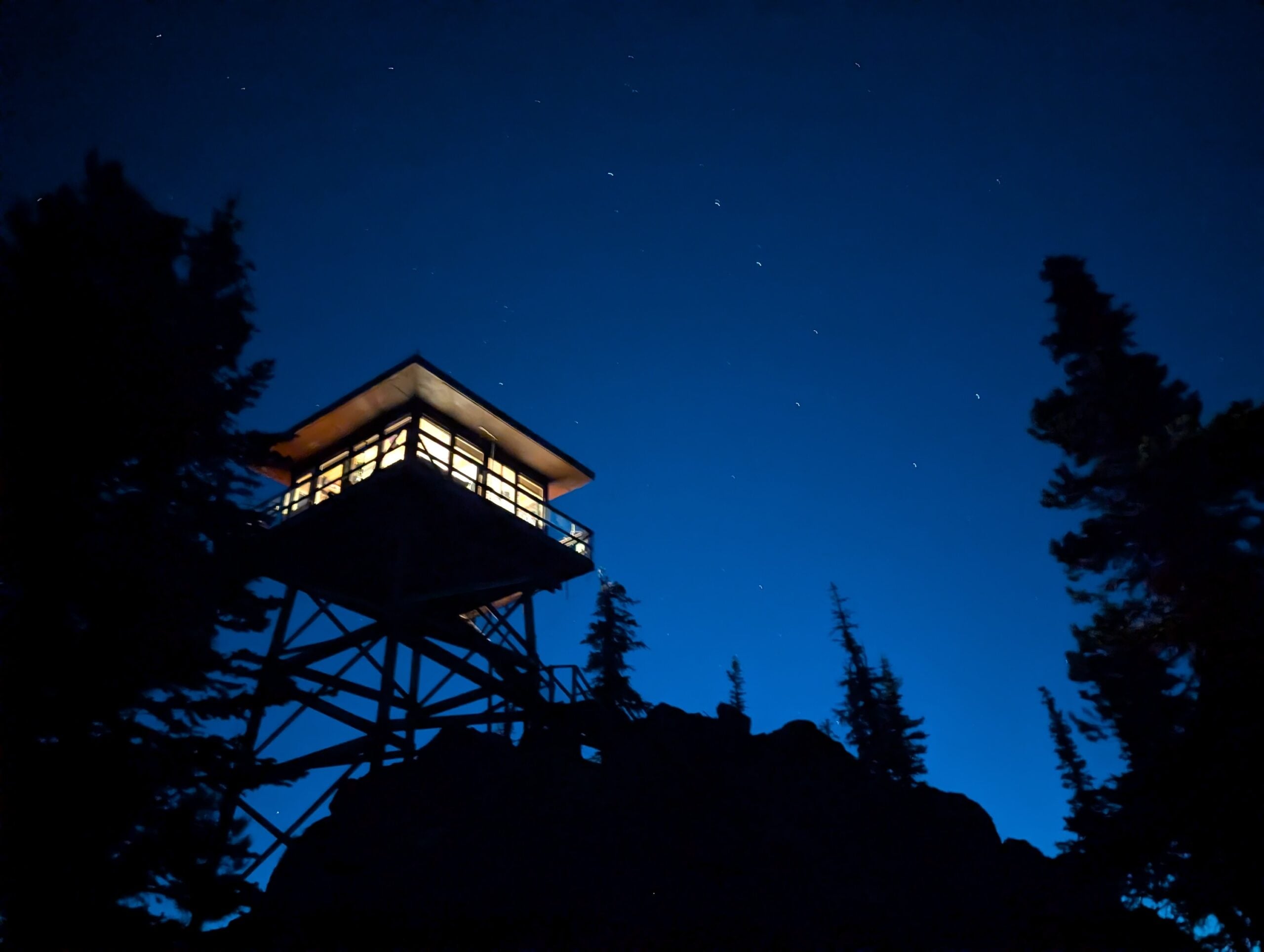
Zooming in from the Fire Lookout
Laura Pritchett, director of the MFA in Nature Writing at Western Colorado University, reflects on teaching a student who joined weekly Zoom classes from an Oregon fire lookout, and on how a low-residency community helps writers move through eco-grief toward new stories for the planet’s future.
MFAs in Nature Writing are a rarity – and so are the communities formed around eco-grief and eco-joy.
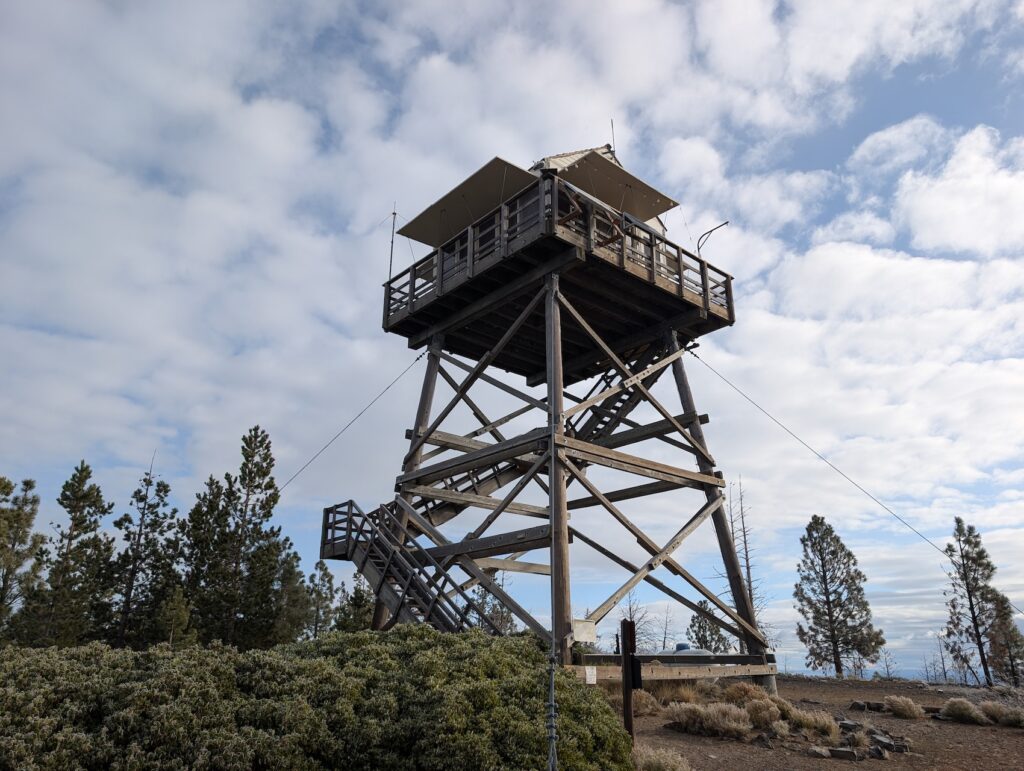
Evonne Ellis lived in a fire lookout in Oregon while she earned her MFA in Nature Writing, and since classes met weekly on Zoom, we all were treated to snippets of her life, including the dizzying moments when she leapt up to do a 360 to scan for fires while holding her tablet. We saw a roller-coastery tumble of distant mountains, trees, and sky before she settled back down, her smiling face back on our screens—unless, of course, her tablet overheated, in which case we were put into her fridge, and we got the view from there.
Boring classes, these are not.
Interesting writers? We have that in droves.
Deep community that assuages eco-grief and allows for some eco-joy? Yes.
But best of all, we create stories that fashion new narratives about ecological wisdom for the planet’s future.
A Low-Residency MFA in Nature Writing, Built Around Weekly Zooms
This MFA with an emphasis in Nature Writing is one of a few in the country, and perhaps the thing I love most about this program is our weekly Zoom. I’ve come to believe that a “packet-style” approach to MFAs is not the best approach, and instead, Western Colorado University’s Graduate Program in Creative Writing has forged a new path: weekly Zooms that recreate the brick-and-mortar experience, but with the added benefit of being low residency, meaning students and faculty live anywhere.
Including fire towers.
And interestingly, this informs our content quite a lot. Whether it’s from a ranch in Colorado, a beach in California, a campsite in Arizona, a suburb in Florida, or a fire lookout in Oregon, we are able to bring our lives to one another. For example, we learn tidbits about lookout life—how Evonne does dishes with minimum water use, since it needs to be carried in. Or how her “lookout buddies” hike up and bring her cookies and zucchini and mail.
Community for Eco-Grief and Eco-Joy
It’s true that since this is an MFA in Nature Writing, there are a lot of outdoorsy people who Zoom in from all sorts of exciting places, such as the backs of vans or tents at campsites, but it’s also full of parents and grandparents and city dwellers and many who prefer to stay put in their homes. They all have one thing in common, though: Given their self-identification as nature writers, on day one there is already a camaraderie and a shared emotional foundation. Climate chaos is no stranger to anyone who signs up for such a program, and so they show up with the grief, anger, sorrow, resilience, and vulnerability appropriate to our times. Which is why community is so essential.
Evonne struck me as an interesting example of this, because she was literally looking for evidence of environmental disaster as we discuss environmental disaster (not that all fires are bad, of course, but megafires are not the healthy sort). Her “lookout angel”—her temporary replacement—was evacuated one summer while Evonne was at our summer residency in Colorado. This was the largest fire in the country at that time, one so powerful it created its own weather—a pyrotechnic storm and tornado tore through the burn area. It was distressing, and it also raised essential questions: How do we write through climate chaos? Within it? Despite it? How do we write to bear witness? How can we impact the future?
There are many answers to these questions, but one is this: We do it by forging friendships. Literary citizenship is a real thing, and it allows us to sit with the situation. It allows us the support we need as we write, as we refuse to avert our gaze from the truth.
Why Nature Writing Needs New Stories
We discuss the importance of solutions-based writing, the difference between advocacy writing and lyric writing (and how both can be so effective), the evolution of nature writing, and the techniques of fiction, nonfiction, and poetry. Above all else, we talk about the power of story. Facts don’t change a person’s mind – but stories do.
And that’s why we need new stories. Imaginative stories. Brave stories. True stories. Complex stories. Stories that embrace our problematic history. Stories that fashion new narratives. And these students are capable of telling them. We all are.
Writing is an act of co-creation—we write, and then that story leaps back and creates some new awareness in us, and then we write, and we are again informed, and then we write again. We write, we read, and we share. This is how cultures evolve. How humans evolve.
Evonne graduated with a concentration in Nature Writing in 2022 and Poetry in 2023, and is still working as a lookout in Deschutes National Forest. She went on to start The Heart Path, which encourages others to travel, adventure, and write. To share their story. And that is what teaching Evonne and so many others has taught me: We need new storytellers to witness, celebrate, make a difference, and eventually, to see our way into the future, one story at a time. Even if it means being put in the fridge.
Laura Pritchett is a novelist and environmental writer. She directs the MFA in Nature Writing at Western Colorado University. A different version of this essay was published in Writers on the Range.
Meet the Expert
Laura Pritchett
Nature Writing Concentration Director
Laura Pritchett, PhD, is the author of seven novels. Her first, Hell’s Bottom, Colorado, won the PEN USA Award for Fiction and the Milkweed National…
Master of Environmental Management
Interested in exploring the relationship between writing, place, climate, and the natural world? Western’s low-residency Graduate Program in Creative Writing offers MA and MFA degrees with concentrations in Nature Writing, Genre Fiction, Poetry, EcoPoetry, Publishing, and Screenwriting.
Related Stories