Skip to Main Content
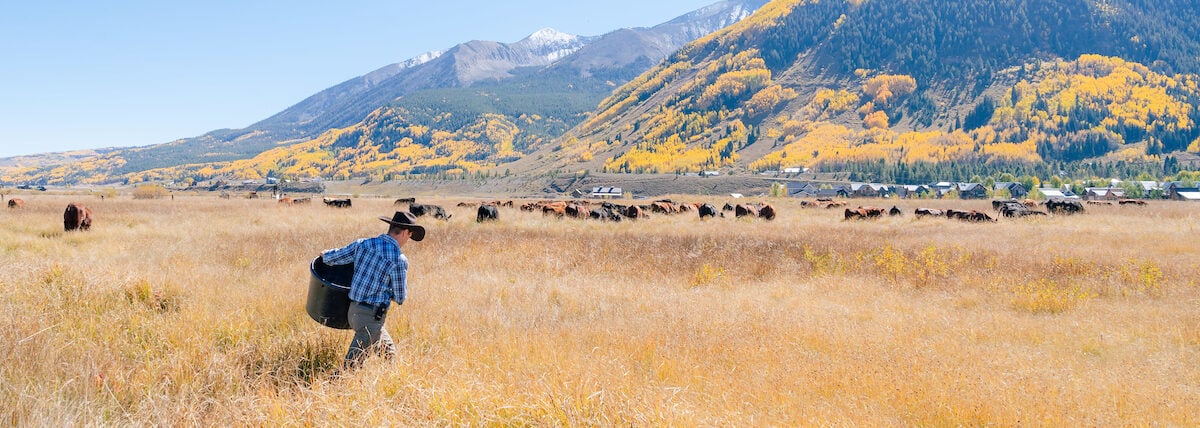
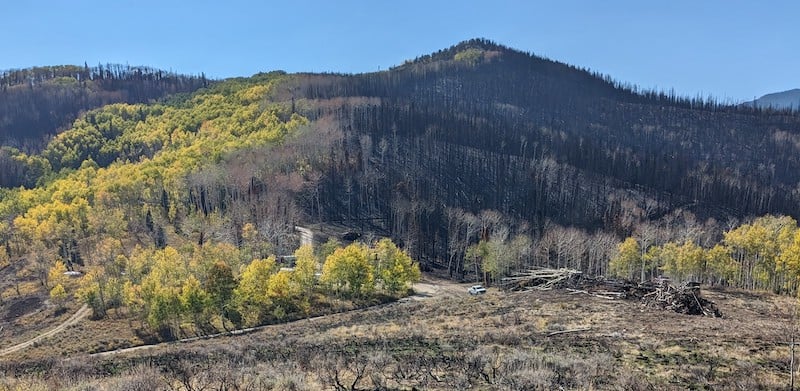
A graduate student wearing a cowboy hat carries a bucket through Verzuh Ranch wetlands with cattle and Whetstone Mountain seen in the background.

Rural Community Health

Part of: Master of Behavioral Science, School of Graduate Studies

Offered as: Master's Concentration

Degree: Master of Behavioral Science

Related Areas of Study: Restorative Facilitation, Community Counseling

Part of: Master of Behavioral Science, School of Graduate Studies

Offered as: Master's Concentration

Degree: Master of Behavioral Science

Related Areas of Study: Restorative Facilitation, Community Counseling

Earn a rural community health degree and prepare for careers in public and community health.

The Rural Community Health concentration within the Master of Behavioral Science prepares students for careers in public health, community health, and rural health systems. This rural community health degree focuses on improving health outcomes in rural and underserved communities through prevention, education, and community-based research.

Students develop skills in health promotion, addiction prevention, trauma-informed care, and program evaluation while addressing issues such as mental health, health disparities, and access to care. The program emphasizes evidence-based, culturally responsive approaches to advancing health equity across rural populations.

What Is a Rural Community Health Degree?

A rural community health degree focuses on improving health outcomes in rural and underserved populations through public health, prevention, and community-based research. These programs address challenges such as access to care, mental health, and health disparities in communities with limited resources.

At Western, the Rural Community Health concentration combines behavioral science and public health to prepare students to develop and implement solutions that improve community health and advance health equity.

Why Western's Rural Community Health Concentration

This rural community health degree focuses on improving health outcomes in underserved populations through prevention, education, and community-based research.

Students develop skills in health promotion, addiction prevention, trauma-informed care, and program evaluation while addressing key challenges such as mental health, health disparities, and access to care in rural communities. The program emphasizes evidence-based, culturally responsive approaches to advancing health equity.

Rural Community Health Practicum Experience

The Rural Community Health concentration includes a 39-credit curriculum with a research-driven practicum that allows students to apply their learning in real-world settings. Students partner with local organizations, community groups, and institutions to address pressing health challenges in rural and Native communities.

Through this immersive experience, students build practical skills in research, advocacy, and community health while working on issues such as mental health, addiction, youth well-being, and trauma-informed care.
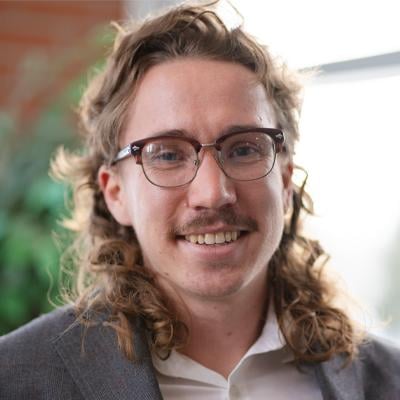
"Our ultimate goal is to develop healthcare solutions that are accessible, culturally relevant, and of high quality, benefiting all members of our Gunnison community."

Cole Cooper

Rural Community Health
Cole Cooper

Careers in Rural Community Health

Graduates of a rural community health degree are prepared for careers in public health, community health, and rural health systems. Students develop the skills to support prevention, education, and care coordination in underserved communities.

Common career paths include:

  • Community Health Worker
  • Public Health Specialist
  • Health Education Specialist
  • Rural Health Administrator
  • Healthcare Social Worker
  • Rural Health Educator

Graduates work in public health departments, nonprofit organizations, rural clinics, schools, and government agencies focused on improving health outcomes in rural communities.

Rural Community Health Degree FAQs

What can you do with a rural community health degree?

Graduates pursue careers in public health, community health, and rural health systems. Common roles include community health worker, public health specialist, health educator, rural health administrator, and healthcare social worker.

What is the focus of the Rural Community Health concentration?

This concentration focuses on health equity, prevention, and improving access to care in rural communities. Students study topics such as mental health, addiction prevention, trauma-informed care, and community health systems.

Does the Rural Community Health program include hands-on experience?

Yes. Students complete a research-driven practicum that provides hands-on experience working with community partners. This allows students to apply their skills to real-world health challenges in rural and underserved populations.

Can you complete the Rural Community Health concentration online?

The program offers remote learning options for students living or working in rural communities. Some courses are delivered live online, allowing students to complete portions of the program remotely.

Who should pursue a rural community health degree?

This degree is ideal for individuals interested in careers in public health, community health, and social services, especially those who want to improve health outcomes in rural and underserved communities.

Admissions, Cost & Requirements

Admissions
Tuition & Costs
Program Requirements

Master of Behavioral Science Application Requirements

  • Admission will be based on an overall package that considers academic excellence as well as relevant work experience, research, and community involvement. Admissions materials must be submitted online and must include: academic transcripts showing a recommended minimum 3.2 GPA from the degree-granting school; a resume or Curriculum Vitae outlining related research, leadership, outreach, professional experience and /or volunteer work; a letter of purpose describing the student’s interests and goals regarding behavioral science and/or community health; a writing sample ( course paper or professional report) of at least 3 single-spaced pages; and two.letters of recommendation from professors or supervisors in related fields.
  • GRE scores will be accepted but are not required for admissions consideration. International students must submit their score from the Test of English as a Foreign Language (TOEFL) or IETLS. Students with a degree from a college or university where English is the language of instruction are not required to submit the TOEFL/IETLS score.
  • Applicants are expected to have been in contact with an MBS program faculty member prior to submission of application. Documentation of this will be included as a formal expectation in the application process.

Provisional Admittance Policy

Students who have some deficiency in undergraduate training or incomplete credentials may be approved for provisional admission into the MBS in Rural Community Health program upon the recommendation of the Director of the MBS and approval by the Dean of the School of Graduate Studies.

To be admitted provisionally into the MBS program, applicants must demonstrate:

  • some formal background or training in community health, psychology, sociology, or related field (e.g. coursework, internships, work study), and:
  • ability to manage the assigned graduate courses while completing their undergraduate program or other provisions (e.g. the personal statement and references should indicate the candidate’s ability to undertake such an academic load and course work at the graduate level).

In accordance with School of Graduate Studies Admissions Policies, a provisionally admitted student will have a maximum of one calendar year to complete any prerequisite academic coursework.

The MBS Program Director will assess provisionally admitted student progress towards completion of prerequisites and success in all MBS program and course work through meetings scheduled monthly and at the end of each semester within the required completion timeline.

MBS: Rural Community Health Concentration Tuition & Fees

Term Credits Tuition per Credit Hour Fees per Credit* Flat Fees** Total Tuition & Fees
Year 1: Fall 9 $730.00 $73.40 $50.00 $7,280.60
Year 1: Spring 9 $730.00 $73.40 $7,230.60
Year 1: Summer 3 $730.00 $73.40 $2,410.20
Year 2: Fall 9 $730.00 $73.40 $7,230.60
Year 2: Spring 9 $730.00 $73.40 $7,230.60
Program Total 39 $31,382.60

*Mandatory graduate student fees per credit hour
$63.00 Graduate Studies Administrative Operations Fee
$6.50 Library Fee
$3.90 IT Services Fee

**Mandatory graduate student flat fees
New Student Matriculation Fee: $50.00

Master of Behavioral Science

A master’s degree is an advanced qualification earned after completing a bachelor’s degree. It focuses on a specific area of study and provides specialized knowledge and skills. This differs from a concentration, which is a more focused area within the master’s program. Your concentration determines the specialized courses you take, shaping your expertise in a particular field. To complete a master’s degree, students must fulfill core coursework, elective requirements, and often a final project, thesis, or practicum.

Scholarships, Fellowships & Financial Aid

How To Apply

We are so excited about your interest in applying to the Master of Behavioral Science! Please take a moment to review the requirements and deadlines before accessing the application.

Faculty & Staff

Master of Behavioral Science

Contact Information

Contact Location

Western Colorado University
Kelley Hall 210
Gunnison, CO 81231

Mountain Graphic