MyWestern
 Academic Calendar
 Bookstore
 University Catalog
 Athletic & Recreational Venues
 MyWestern
 Academic Help
 Library
 Health & Wellness
 Campus Map
 Events

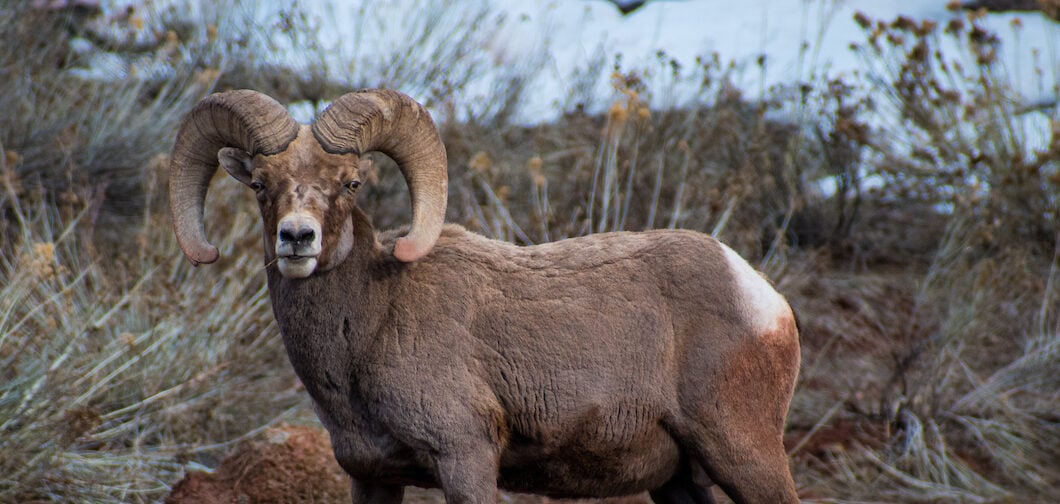
Earn a fisheries and wildlife degree for conservation and research.
The Fisheries and Wildlife Management concentration within Western Colorado University’s Master of Science in Ecology prepares students for careers in the conservation and management of aquatic and terrestrial species. This fisheries and wildlife management degree blends ecological theory, field research, and applied management skills to help students address real-world challenges in wildlife, fisheries, habitat, and ecosystem conservation.
Students complete a 33-credit, thesis-based pathway focused on graduate-level research and science-based decision-making. With access to Colorado’s diverse ecosystems, students build skills in fisheries assessment, wildlife monitoring, ecological data analysis, and scientific communication while preparing for careers in conservation agencies, research organizations, land management, and natural resource fields.
What Is Fisheries and Wildlife Management?
Fisheries and wildlife management focuses on the conservation, study, and management of fish, wildlife, habitats, and ecosystems. Students in fisheries and wildlife programs learn how to assess species populations, monitor habitats, evaluate ecological data, and apply science to conservation and management decisions.
This field prepares graduates to work with aquatic and terrestrial species in roles related to wildlife biology, fisheries biology, habitat restoration, conservation planning, and natural resource management.
Why Choose Fisheries and Wildlife Management?
The Fisheries and Wildlife Management concentration is designed for students who want to study aquatic and terrestrial ecosystems through hands-on research and field-based learning. Students gain experience addressing issues such as habitat loss, species conservation, ecosystem change, and sustainable management.
This thesis-based pathway prepares students to conduct original ecological research while developing practical skills for careers in fisheries management, wildlife management, conservation science, and environmental policy.