MyWestern
 Academic Calendar
 Bookstore
 University Catalog
 Athletic & Recreational Venues
 MyWestern
 Academic Help
 Library
 Health & Wellness
 Campus Map
 Events

Earn a community counseling degree and prepare for careers in non-clinical counseling.
The Community Counseling concentration within the Master of Behavioral Science prepares students for careers in behavioral health, community-based counseling, and social services. This community counseling degree focuses on supporting mental health and well-being through prevention, education, and community-based approaches rather than direct clinical practice.
Students develop skills in counseling theory, behavioral health, trauma-informed support, and community outreach while addressing challenges such as mental health, addiction, and social inequities. The program emphasizes evidence-based, culturally responsive approaches to promoting mental wellness and strengthening communities.
What Is a Community Counseling Degree?
A community counseling degree prepares students to support mental health and well-being through prevention, advocacy, education, and community-based services. Unlike clinical counseling programs, community counseling focuses on non-clinical pathways that address the broader social, cultural, and environmental factors that impact individuals and communities.
At Western, the Community Counseling concentration combines behavioral health, community psychology, and public health to prepare students to design programs, support communities, and improve mental health outcomes through applied, real-world work.
Why Choose Western’s Community Counseling Concentration
This community counseling degree emphasizes non-clinical, community-based approaches to mental health and behavioral health. Students learn to design prevention programs, support community well-being, and address mental health disparities through education, advocacy, and collaboration.
Graduates are prepared for careers in schools, nonprofits, community organizations, public agencies, and behavioral health settings, where they can support individuals and communities through outreach, prevention, and support services.
Community Counseling Practicum Experience
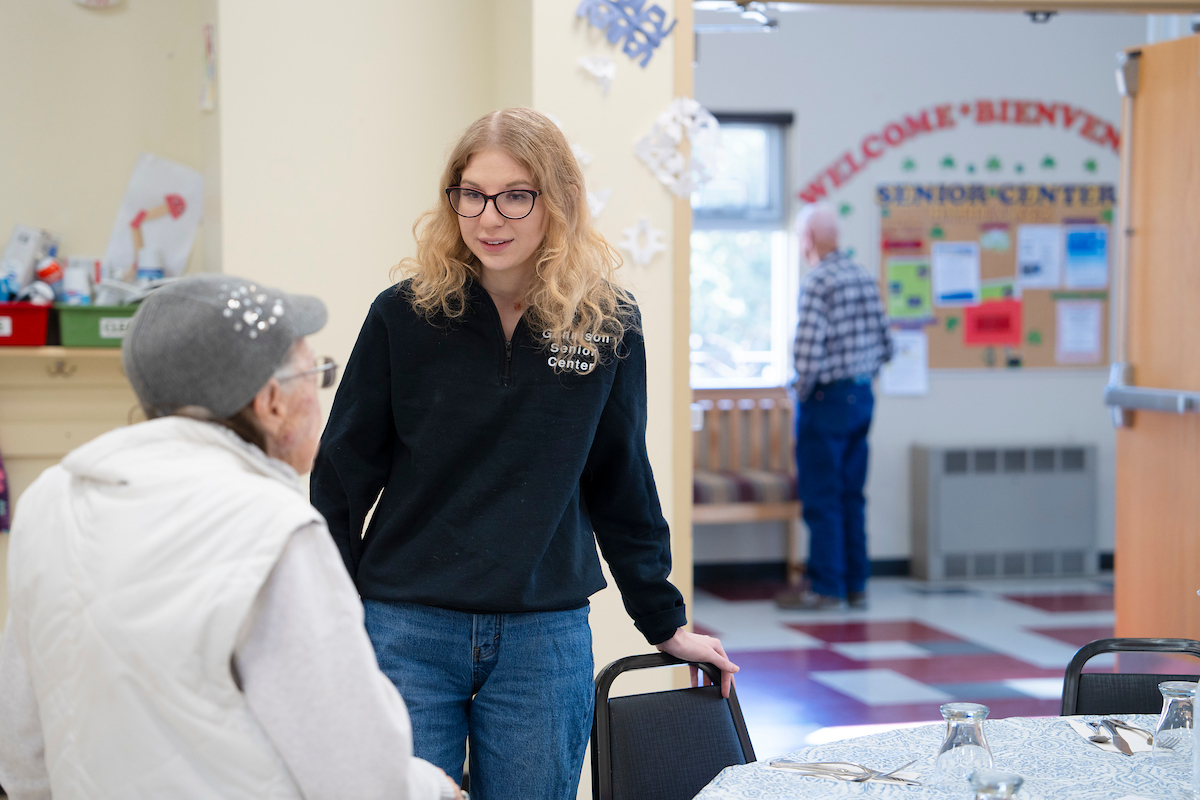
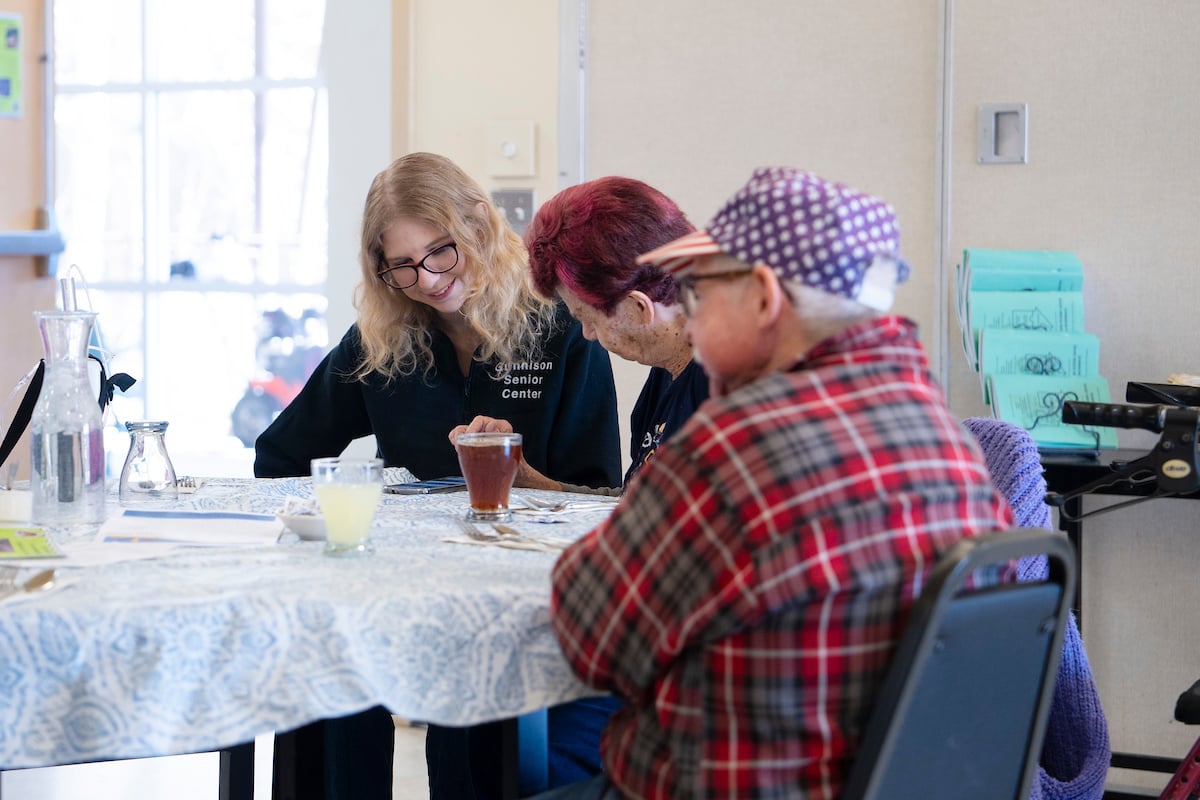
The Community Counseling concentration includes a 48-credit curriculum with a practicum that provides hands-on experience in real-world settings. Students partner with community organizations, schools, and local groups to address challenges such as mental health, addiction prevention, trauma-informed care, and youth support.
Through this experience, students build practical skills in advocacy, outreach, and behavioral health while working to improve outcomes in underserved and rural communities.