Skip to Main Content
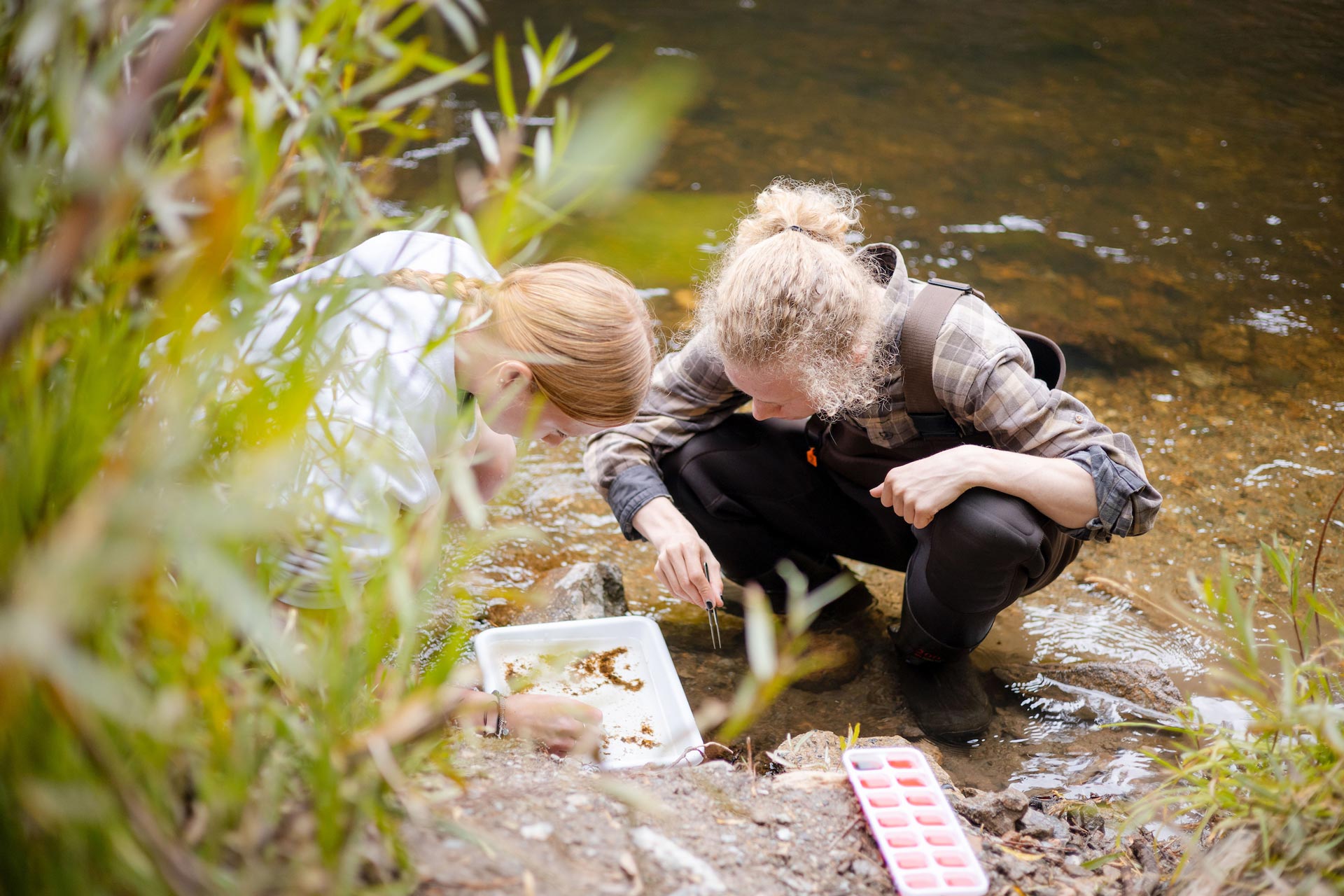
On the bank of the Taylor River, two students kneel and sort insects into an ice cube tray.

Ecology & Conservation

Part of: MS in Ecology, Clark Family School of Environment & Sustainability, School of Graduate Studies

Offered as: Master's Concentration

Degree: Master of Science in Ecology

Related Areas of Study: MS in Ecology, Applied Ecological Science

Part of: MS in Ecology, Clark Family School of Environment & Sustainability, School of Graduate Studies

Offered as: Master's Concentration

Degree: Master of Science in Ecology

Related Areas of Study: MS in Ecology, Applied Ecological Science

Study ecology and conservation to protect ecosystems and advance environmental science.

The Ecology and Conservation concentration within Western Colorado University’s Master of Science in Ecology prepares students for careers in conservation science, ecological research, restoration, and ecosystem management. This thesis-based concentration emphasizes ecological theory, research design, scientific writing, and applied conservation.

Students explore topics such as molecular ecology, population ecology, community ecology, ecosystem ecology, conservation, restoration, and ecological modeling. With access to Colorado’s diverse landscapes, students develop the field, lab, and research skills needed to study ecological systems and address complex environmental challenges.

What Is Ecology and Conservation?

Ecology and conservation focuses on understanding ecosystems, species interactions, and environmental change while applying that knowledge to protect biodiversity and restore natural systems. Students in this field study ecological processes across organisms, populations, communities, and ecosystems.

A graduate concentration in ecology and conservation prepares students to conduct original research, analyze ecological data, communicate scientific findings, and apply conservation science to real-world environmental issues.

Why Choose Ecology and Conservation?

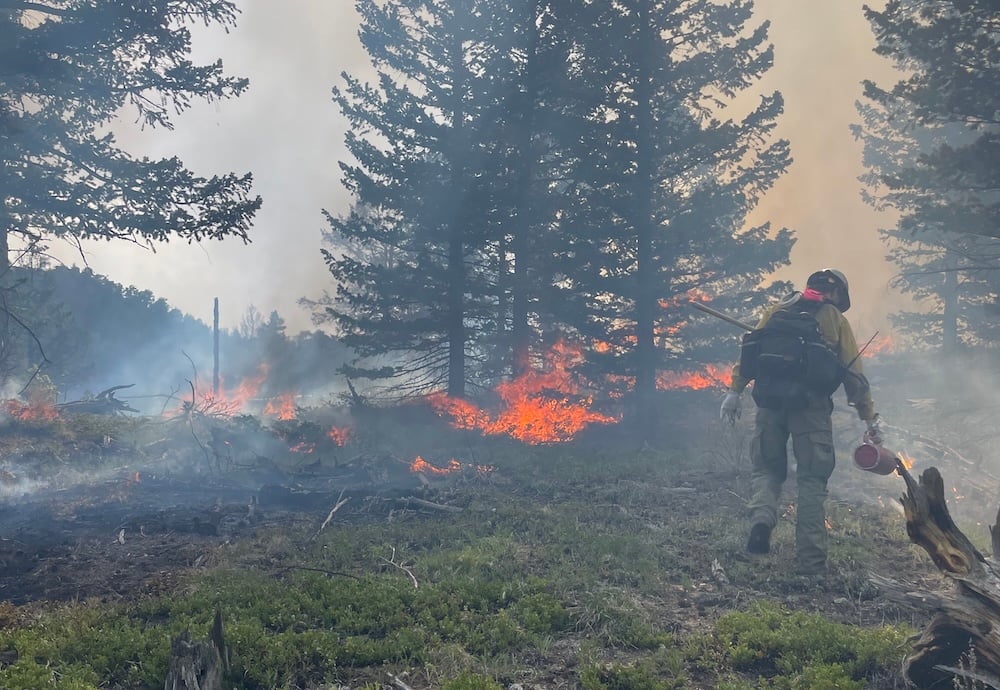
The Ecology and Conservation concentration is designed for students who want a research-focused ecology pathway with broad flexibility. Students can specialize in areas such as wildlife systems, plant ecology, fire dynamics, climate interactions, restoration, biogeochemistry, or ecological modeling.

This thesis-based pathway provides strong preparation for careers in conservation science, ecological consulting, research, natural resource management, or future doctoral study.

Real-World Experience in Ecology

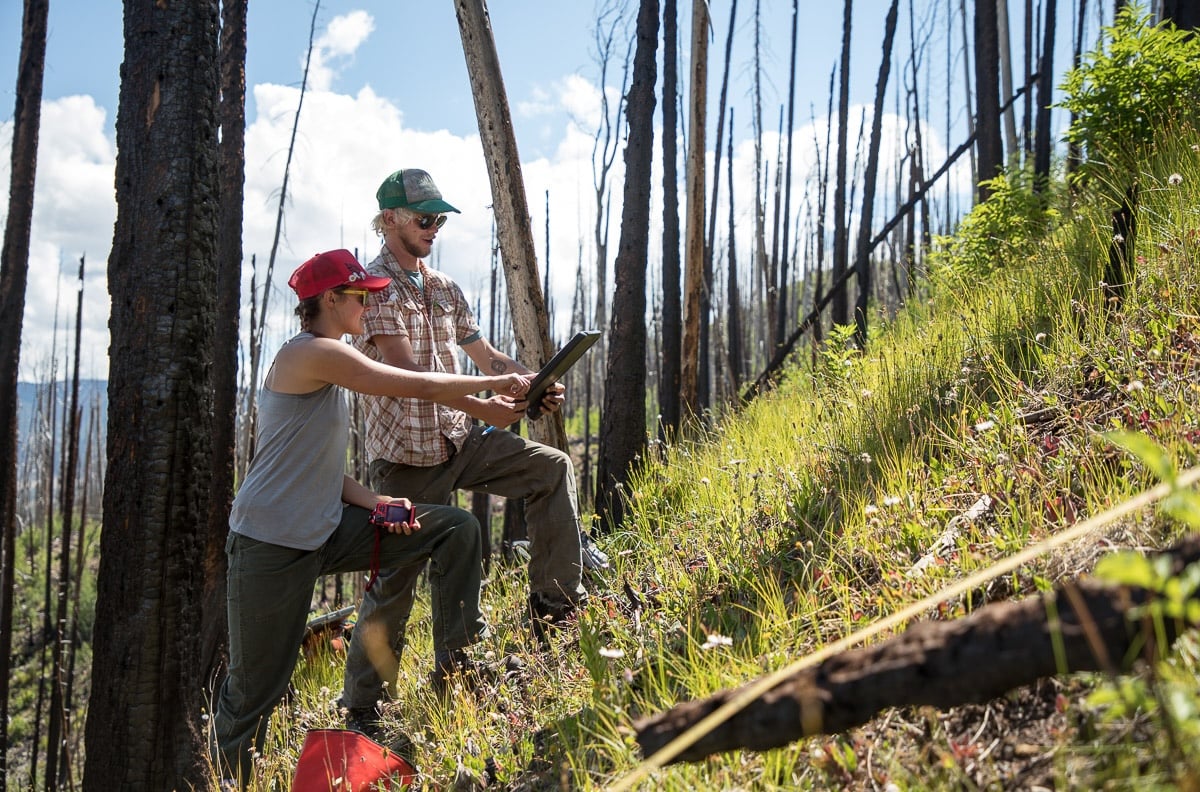
Western’s experiential learning approach helps ecology students apply their scientific skills in real-world settings. Through field-based research, community partnerships, agency collaboration, and applied conservation projects, students gain practical experience that strengthens both their research portfolio and professional readiness.

Ecology and Conservation Thesis Experience

Students in the Ecology and Conservation concentration complete a faculty-supported thesis grounded in original ecological research. From proposal development to final thesis defense, students receive mentoring as they design research questions, collect and analyze data, and communicate findings.

The 33-credit curriculum includes coursework in biology, ecological research methods, and scientific writing. Fieldwork opportunities in Colorado’s Rocky Mountain ecosystems provide a living laboratory for ecological discovery, restoration, and applied conservation.

We can produce high-quality research and publish papers in scientific journals with our students. We’re out on the cutting edge of our field learning the things we don’t know yet.

Jonathan Coop, PhD.

Faculty, 2010 MS in Ecology
Jonathan Coop, PhD.

Careers in Ecology and Conservation

Graduates of an ecology and conservation degree are prepared for careers in conservation science, ecological research, environmental consulting, restoration, and natural resource management. This thesis-based ecology pathway builds skills in fieldwork, research design, data analysis, GIS, scientific writing, and public communication.

Common career paths include:

  • Ecologist
  • Conservation Scientist
  • Wildlife Biologist
  • Environmental Consultant
  • Natural Resource Manager
  • Restoration Ecologist
  • Research Technician
  • GIS or Field Research Specialist

Graduates work in:

  • Conservation organizations
  • Government agencies
  • Environmental consulting firms
  • Research institutions
  • Land management agencies
  • Restoration organizations
  • Nonprofit environmental groups

Ecology and Conservation FAQs

What is ecology and conservation?

Ecology and conservation focuses on studying ecosystems, species interactions, biodiversity, and environmental change while applying science to protect and restore natural systems.

Is Ecology and Conservation a thesis-based concentration?

Yes. The Ecology and Conservation concentration is a thesis-based pathway within the MS in Ecology. Students complete original ecological research with faculty support.

What can you do with an ecology and conservation degree?

Graduates pursue careers in conservation science, ecological research, environmental consulting, restoration ecology, wildlife biology, and natural resource management.

How long does the Ecology and Conservation concentration take?

The concentration is a 33-credit program designed to be completed in two years.

What skills do students gain in Ecology and Conservation?

Students build skills in ecological fieldwork, data analysis, research design, GIS and mapping, scientific writing, and public communication.

Admissions, Cost & Requirements

Admissions
Tuition & Costs
Program Requirements

MS in Ecology Application Requirements

Prerequisites

BA or BS degree in biology or related field with college courses in Statistics and upper-level Ecology with a minimum grade of B, completed prior to the student’s first fall in the program.

Application Materials

Admissions packages will include:

  • Academic transcripts
  • A resume outlining related research, leadership, and volunteer experience
  • A statement of purpose describing the student’s intellectual and professional interests in ecology
  • Three letters of recommendation from professors or supervisors in related fields
  • Applicants are expected to have been in contact with a faculty advisor prior to submission of application

Application review will begin February 1, with initial acceptance and offers soon thereafter. Later applications may be considered on a rolling basis, depending on faculty availability. If you have any questions about the application process, please contact us.

MS in Ecology Tuition & Fees

Period Credits Tuition per Credit Fees per Credit Hour* Flat Fees** Total Tuition & Fees
Year 1: Fall 9 $847 $73.40 $50 $8,333.60
Year 1: Spring 9 $847 $73.40 $8,283.60
Year 1: Summer 3 $847 $73.40 $2,761.20
Year 2: Fall 6 $847 $73.40 $5,522.40
Year 2: Spring 6 $847 $73.40 $5,522.40
Total 33 $30,423.20

*Mandatory graduate student fees per credit hour
Graduate Studies Administrative Operations Fee: $63.00
Library Fee: $6.50
IT Services Fee: $3.90

**Mandatory graduate student flat fees
New Student Matriculation Fee: $50.00

Biology Course Flat Fees Fee
BIOL 620: Ornithology $70.00
BIOL 622: Mammalogy $20.00
BIOL 625: Invertebrate Zoology $50.00
BIOL 627: Field Entomology $50.00
BIOL 630: Wildlife Ecology $110.00
BIOL 631: Wildlife Techniques Workshop $100.00
BIOL 652: Botany $25.00
BIOL 653: Rocky Mountain Flora $55.00
BIOL 668: Ichthyology $45.00
BIOL 670: Fisheries Management $40.00
BIOL 676: Aquatic Ecology $50.00
BIOL 681: Forest Ecology $50.00
BIOL 697: Geomorphology $75.00
BIOL 697: Environmental Geochemistry $50.00

Master of Science

A master’s degree is an advanced qualification earned after completing a bachelor’s degree. It focuses on a specific area of study and provides specialized knowledge and skills. This differs from a concentration, which is a more focused area within the master’s program. Your concentration determines the specialized courses you take, shaping your expertise in a particular field. To complete a master’s degree, students must fulfill core coursework, elective requirements, and often a final project, thesis, or practicum.

Fellowships, Scholarships, & Financial Aid

How to Apply

We are so excited about your interest in applying to the MS in Ecology! Please take a moment to review the application requirements and deadlines and then access the application.

Faculty & Staff

MS in Ecology

Contact Information

Contact Location

1 Western Way
Gunnison, CO 81230

Mountain Graphic