Skip to Main Content

Build Skills in Fire Ecology, Forest Restoration and Wildfire Mitigation

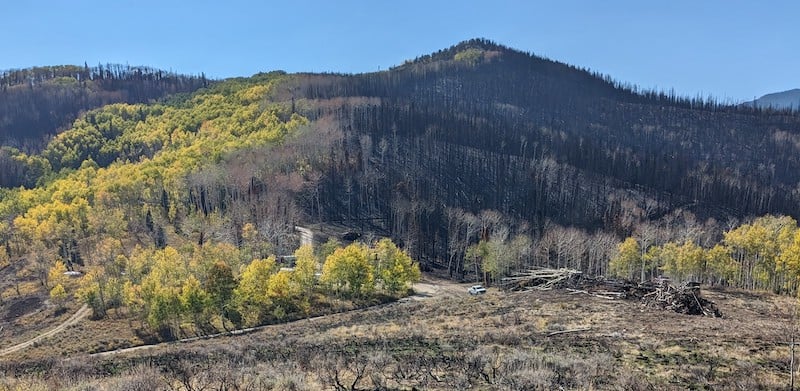
Prepare to address wildfire challenges through Western Colorado University’s 14-credit Forests, Fire & Fuels Certificate. This graduate program explores fire ecology, forest management, fuels reduction and wildfire mitigation, helping students understand how fire, forests and communities interact across western landscapes.

Designed for graduate students and environmental professionals, the certificate combines applied coursework with approaches to forest restoration and collaborative land management. Students develop knowledge to support wildfire risk reduction, healthier forest ecosystems and more resilient communities.

The certificate is available as a standalone graduate credential or can be completed alongside Western’s Master of Environmental Management or MS in Ecology.

What is a Forests, Fire & Fuels Certificate?

A Forests, Fire & Fuels Certificate is a graduate credential focused on the ecological and management principles that influence wildfire behavior, forest health and landscape resilience.

Students explore how vegetation, fuels, climate and land management practices affect wildfire risk and ecological conditions. Coursework examines fire ecology, forest restoration, fuels management and approaches to mitigating wildfire impacts.

Western’s certificate connects these subjects with the environmental and community challenges facing the American West, where wildfire management increasingly requires coordination among land managers, conservation organizations and local communities.

Why Study Fire Ecology and Wildfire Management at Western?

Western’s Forests, Fire & Fuels Certificate emphasizes the relationships among ecological science, wildfire mitigation and collaborative land stewardship.

Located in Gunnison, Colorado, Western provides a setting for examining wildfire and forest management challenges across mountain ecosystems and western landscapes.

Students explore how fire influences forest ecosystems, how fuels management can affect wildfire behavior and how restoration strategies support long-term landscape resilience.

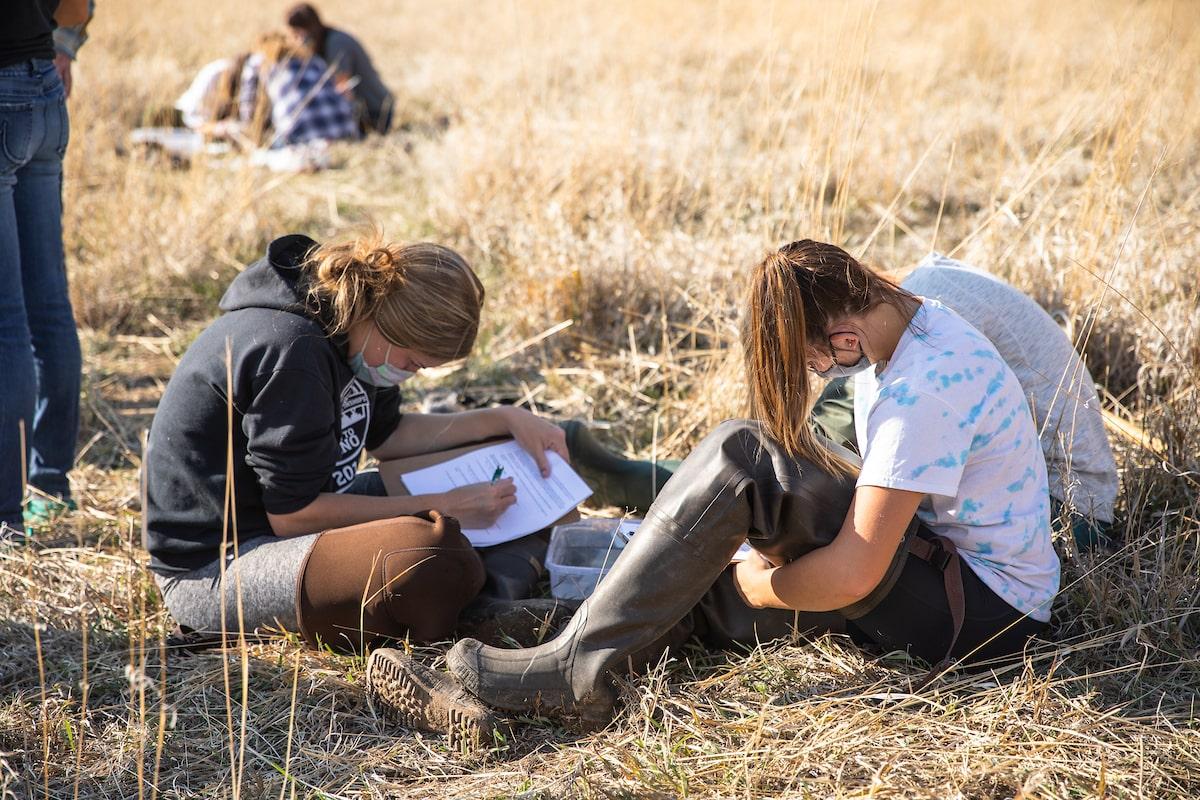
Through applied coursework and western case studies, the program connects ecological concepts with the decisions involved in managing forests, reducing wildfire risk and supporting communities facing changing fire conditions.

The certificate also provides a focused graduate credential for students who want to develop wildfire and forest management expertise without necessarily pursuing an additional full master’s degree.

Forests, Fire & Fuels Certificate at a Glance

  • Credential: Graduate Certificate in Forests, Fire & Fuels
  • Credits: 14
  • Academic Focus: Fire ecology, fuels management, forest restoration and wildfire mitigation
  • Program Options: Standalone graduate certificate or completed alongside the Master of Environmental Management or MS in Ecology
  • Entry Terms: Fall and spring
  • Location: Western Colorado University, Gunnison, Colorado
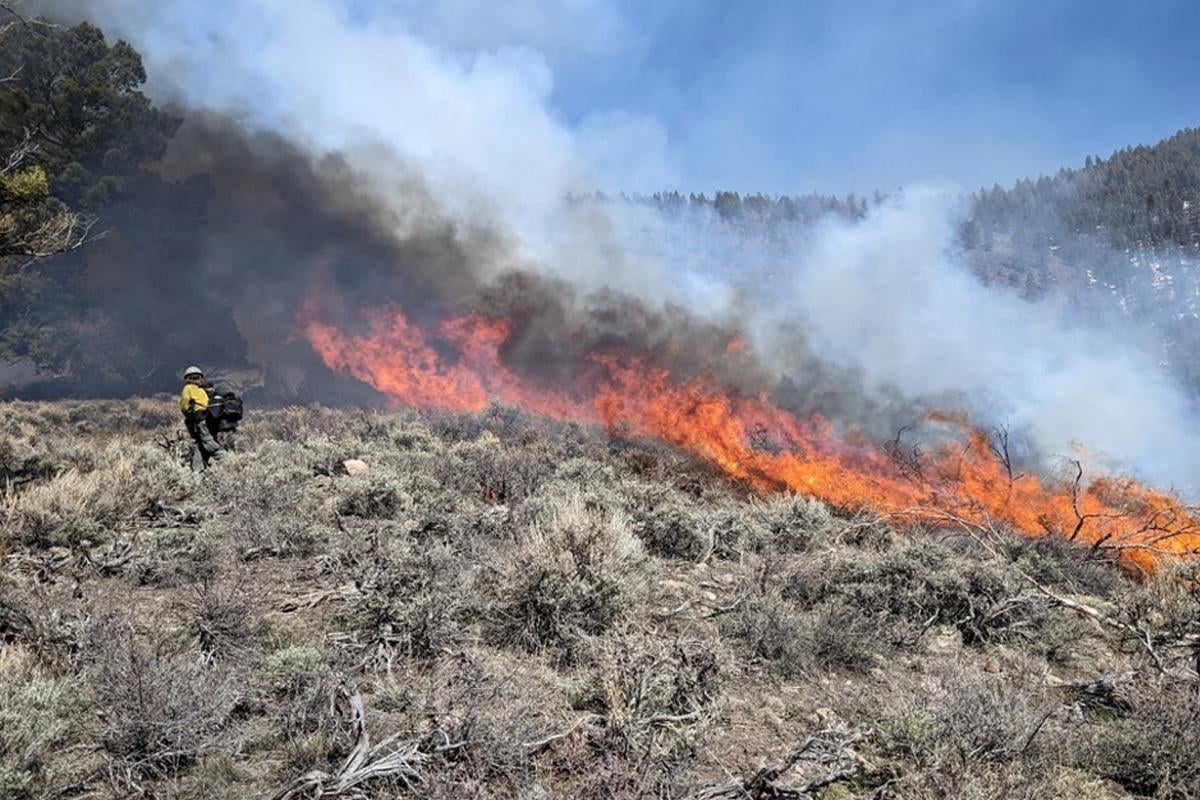
Explore Fire Ecology, Fuels Management and Forest Restoration

Understanding wildfire requires examining the relationships among vegetation, climate, ecological processes and land management decisions.

Western’s certificate explores approaches to managing wildfire risk while supporting forest health and ecosystem resilience.

Fire Ecology and Wildfire Behavior

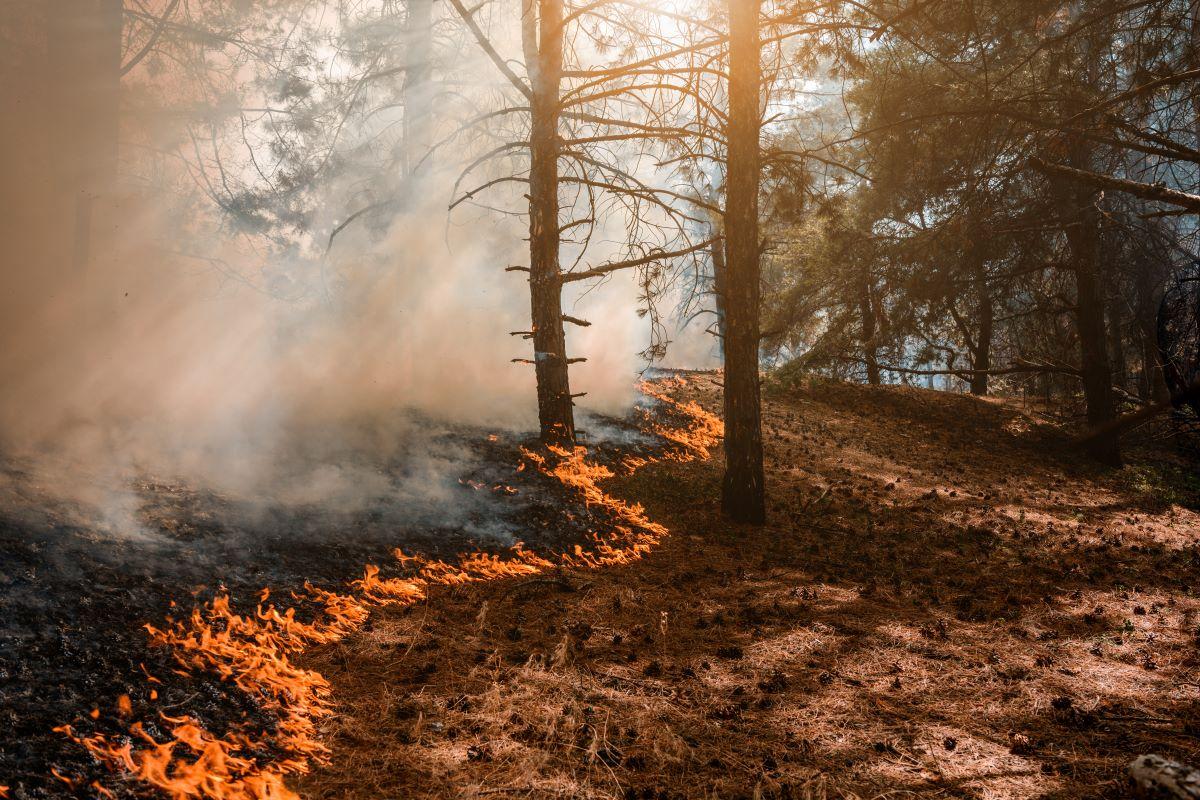
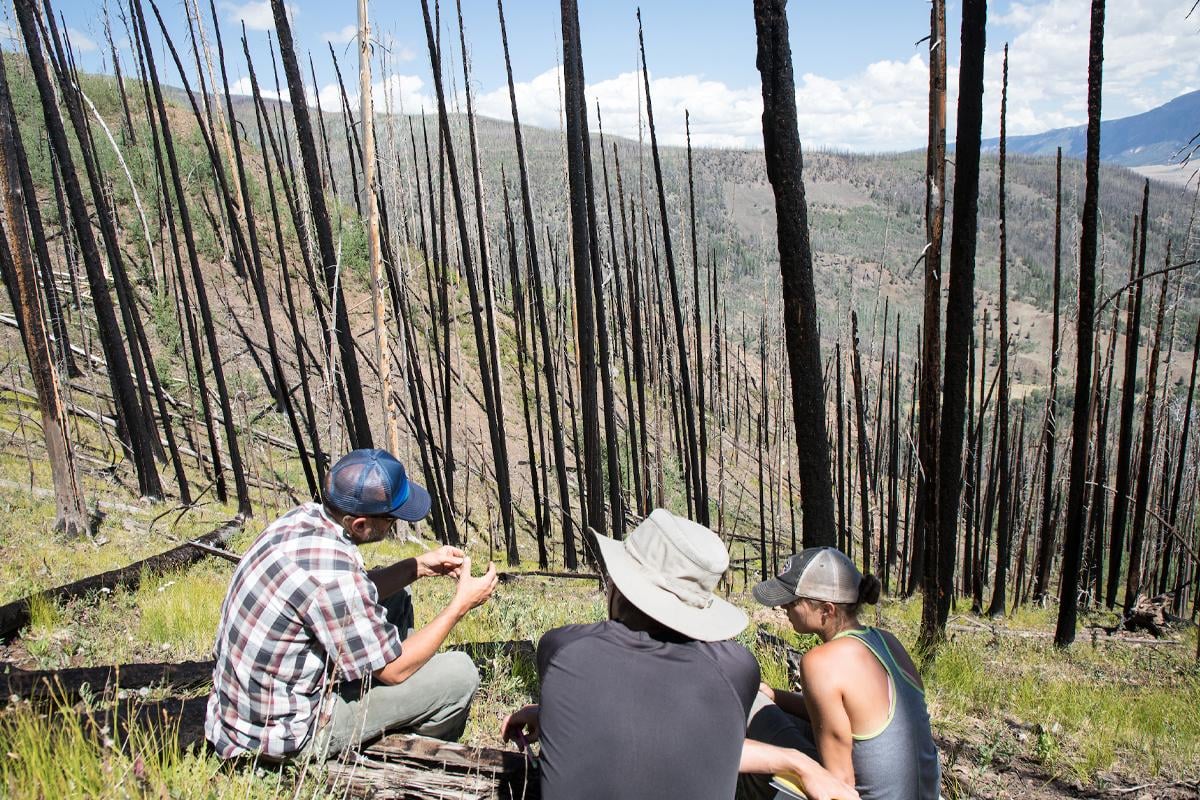
Examine the ecological role of fire in forest ecosystems and the environmental factors that influence wildfire behavior.

Students explore how fire regimes, vegetation, climate and landscape conditions shape wildfire patterns and affect ecosystem recovery.

Forest Fuels Management and Wildfire Risk Reduction

Explore how the amount, type and arrangement of vegetation influence wildfire behavior and potential impacts.

Students examine fuels management approaches, including vegetation management and fuels reduction, and how these strategies contribute to wildfire mitigation and landscape planning.

Forest Restoration and Ecosystem Resilience

Explore how forest management and ecological restoration can support healthier, more resilient landscapes.

Coursework considers forest conditions, ecological processes and restoration strategies that address changing environmental conditions and wildfire risks.

Community Wildfire Mitigation and Resilience

Examine the relationships among wildfire risk, land management and community preparedness.

Students explore approaches to collaborative wildfire planning, risk reduction and coordination among land managers, agencies and communities.

Collaborative Land Management and Wildfire Planning

Explore how public agencies, conservation organizations, landowners and other stakeholders work together to address wildfire challenges.

Students examine the role of policy, land management priorities and collaborative decision-making in supporting wildfire mitigation and forest restoration.

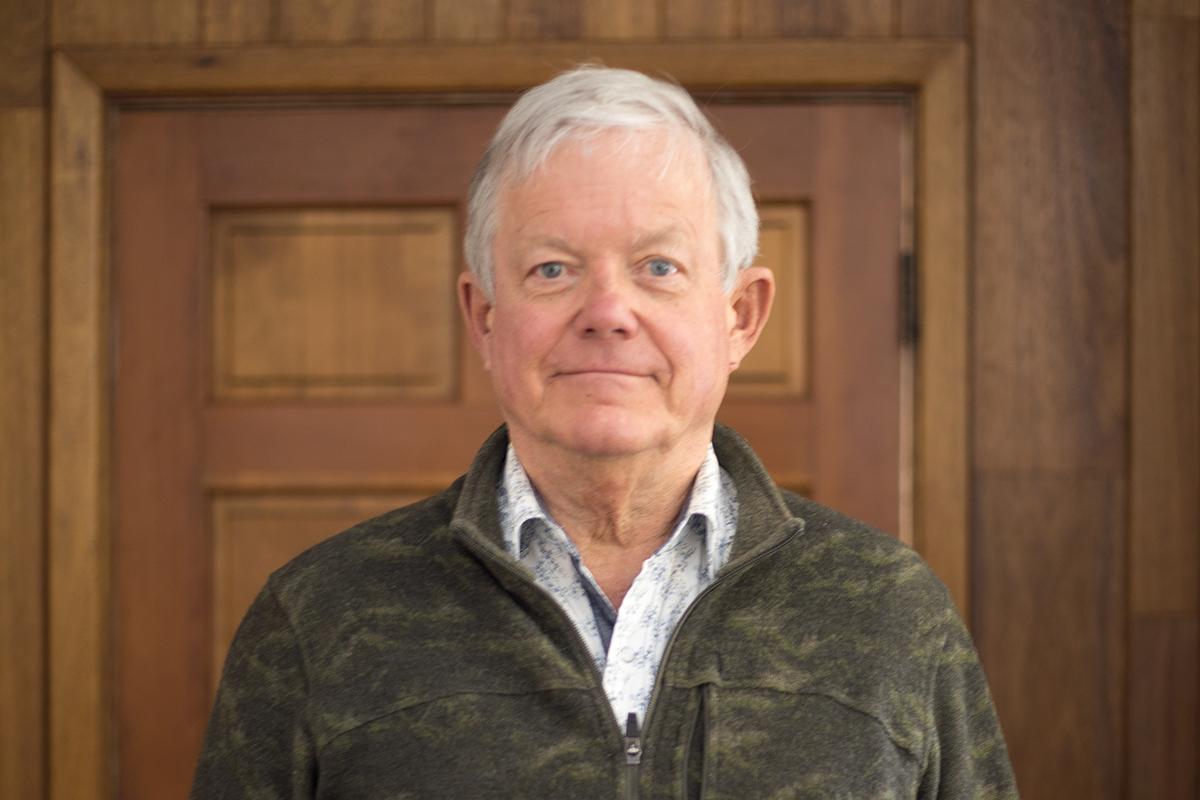
We can produce high-quality research and publish papers in scientific journals with our students. We’re out on the cutting edge of our field learning the things we don’t know yet.

Jonathan Coop, PhD.

Faculty, 2010 MS in Ecology
Jonathan Coop, PhD.

Applied Learning in Wildfire and Forest Management

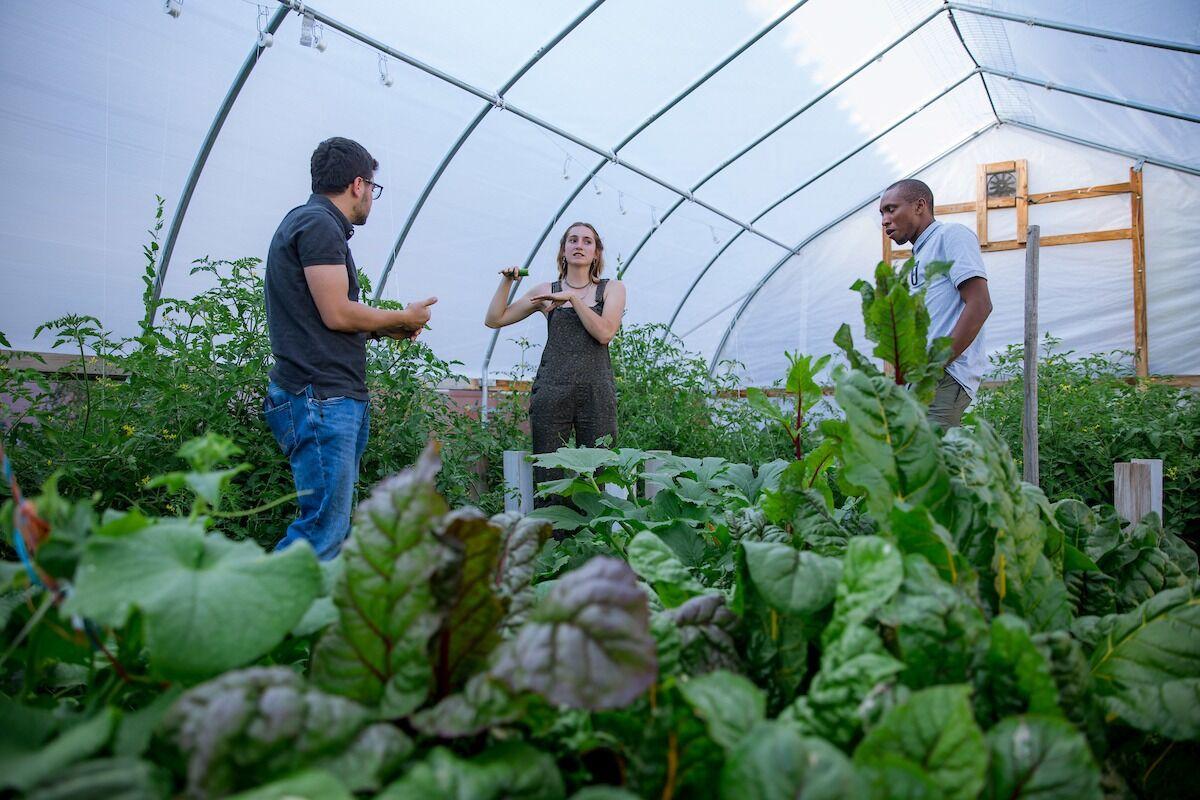
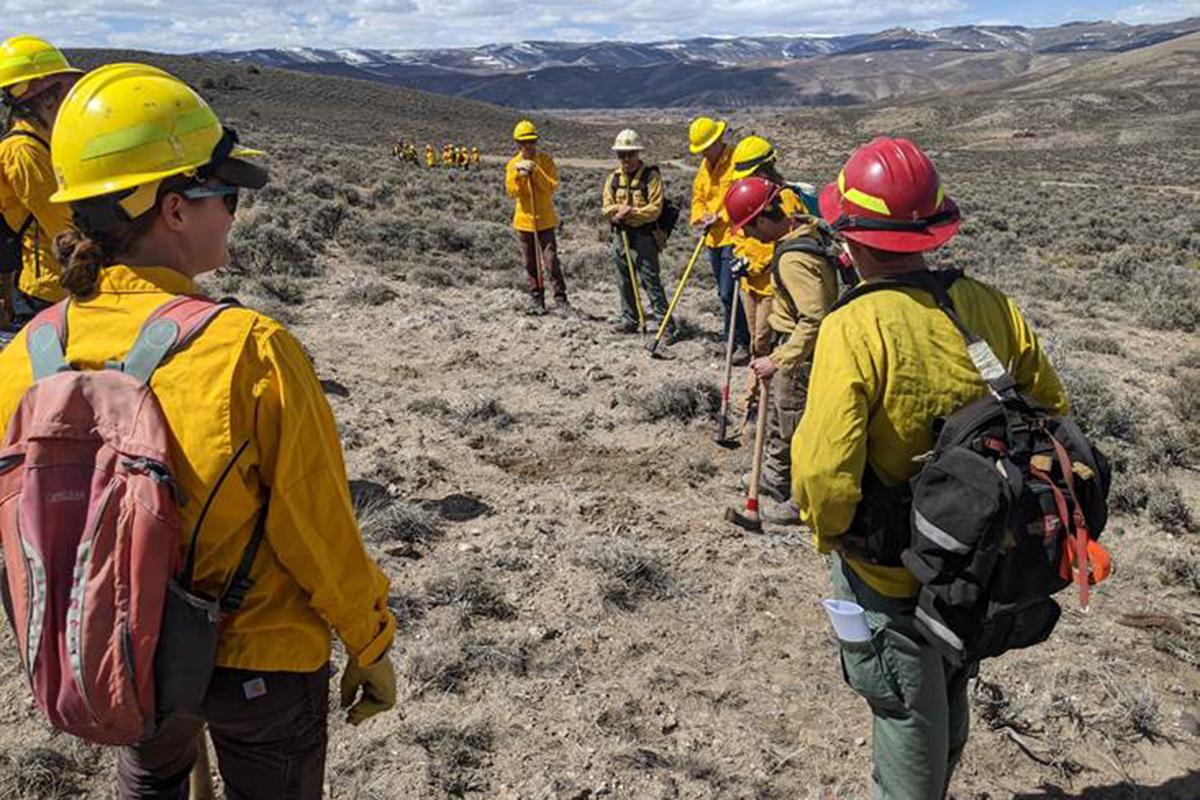
Western’s Forests, Fire & Fuels Certificate connects ecological science with real-world wildfire and forest management challenges.

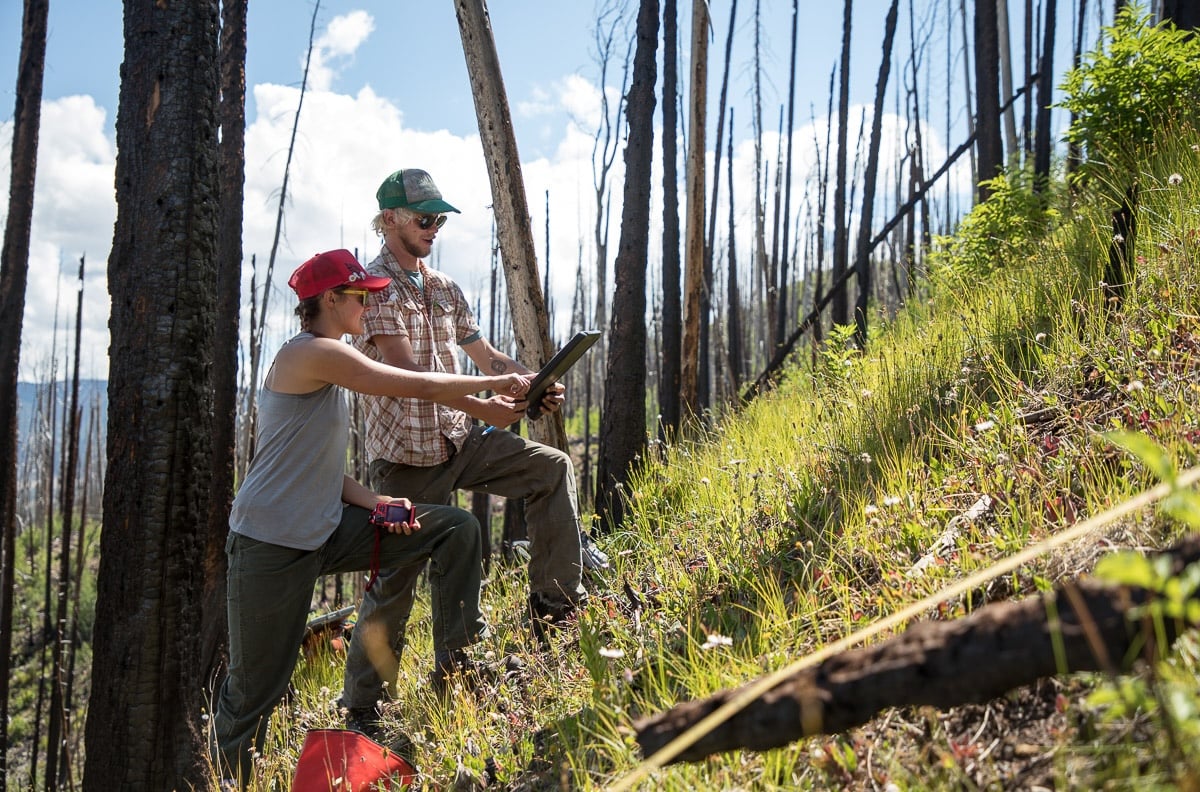
Through applied coursework and western case studies, students examine how environmental conditions, vegetation and land management decisions influence wildfire risk.

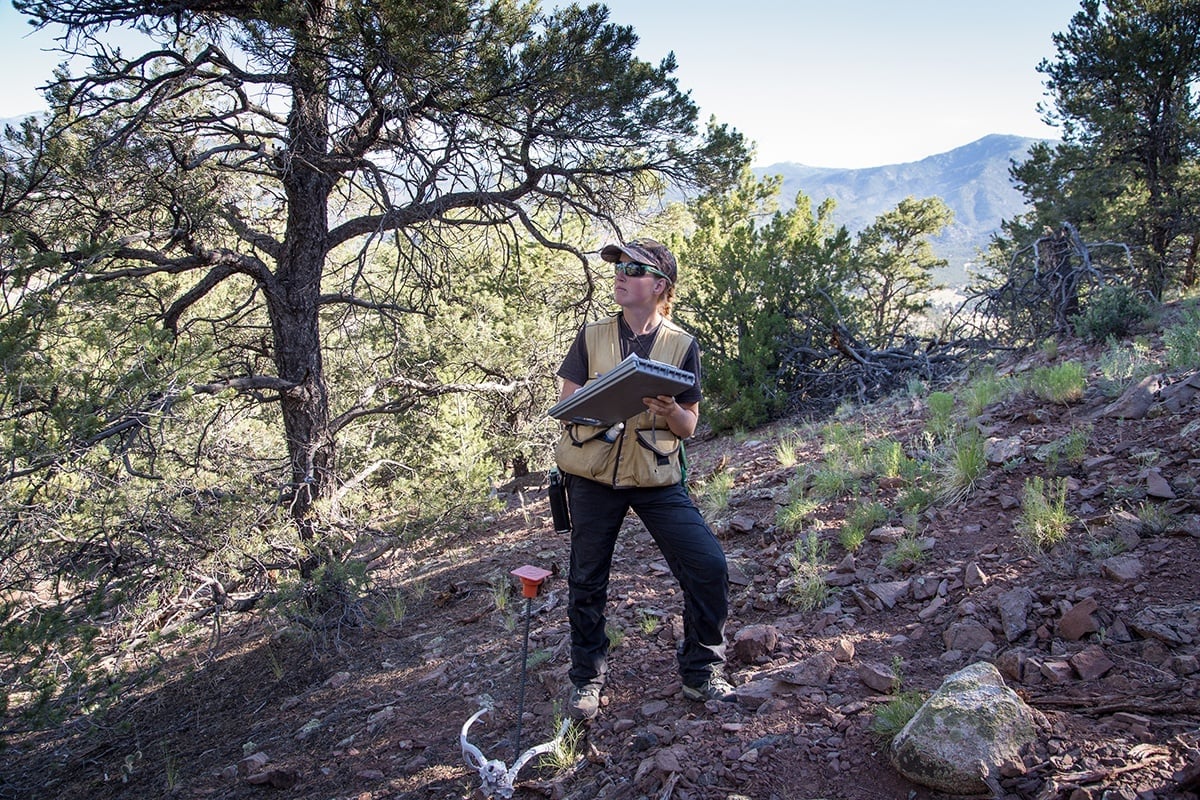
Students explore how to evaluate management options, interpret ecological information and consider collaborative strategies that support forest restoration and community wildfire resilience.

What Can You Do With a Forests, Fire & Fuels Certificate?

A graduate certificate in wildfire and forest management can support professional development in fire ecology, fuels management, forest restoration, conservation and natural resource management.

Potential career pathways include:

  • Wildfire Mitigation Specialist
  • Forestry Manager
  • Public Lands Manager
  • Fire Ecologist
  • Conservation Project Coordinator
  • Environmental Consultant
  • Forest Restoration Specialist
  • Fuels Management Specialist

Professionals in these fields may work with public land agencies, forestry organizations, conservation nonprofits, environmental consulting firms and community wildfire mitigation programs.

Forests, Fire & Fuels Skills You'll Develop

Through graduate coursework, students develop knowledge and skills in:

  • Fire Ecology and Wildfire Behavior
  • Forest Fuels Assessment and Management
  • Wildfire Risk Reduction and Mitigation
  • Forest Restoration and Ecological Resilience
  • Community Wildfire Planning
  • Collaborative Land Management
  • Natural Resource Policy and Decision-Making
  • Forest and Landscape Assessment

These competencies support professionals working to understand wildfire dynamics, manage forest ecosystems and develop approaches to reducing wildfire risk.

Who Is the Forests, Fire & Fuels Certificate For?

Western’s Forests, Fire & Fuels Certificate is designed for graduate students and professionals interested in wildfire management, forest restoration and natural resource stewardship.

The program is particularly relevant for individuals working in:

  • Forestry and wildfire management
  • Public land management agencies
  • Community wildfire resilience initiatives
  • Conservation and forest restoration organizations
  • Environmental consulting
  • Natural resource management

Whether you’re expanding your expertise in fire ecology or developing knowledge to support wildfire mitigation projects, the certificate connects environmental science with practical land management challenges.

Forests, Fire & Fuels Certificate FAQs

What is a Forests, Fire & Fuels Certificate?

A Forests, Fire & Fuels Certificate is a 14-credit graduate credential focused on fire ecology, fuels management, forest restoration and wildfire mitigation. Western’s program explores the relationships among wildfire behavior, forest health, land management and community resilience.

What will I learn in a wildfire management certificate program?

Students explore fire ecology, wildfire behavior, forest fuels management, forest restoration, wildfire risk reduction and collaborative land management. The program emphasizes understanding how ecological conditions and management decisions influence wildfire impacts.

Can I earn the Forests, Fire & Fuels Certificate without completing a master's degree?

Yes. Western offers the Forests, Fire & Fuels Certificate as a standalone graduate credential or alongside the Master of Environmental Management or MS in Ecology.

What is the difference between fire ecology and wildfire management?

Fire ecology examines the ecological role of fire and its effects on ecosystems, including vegetation, soils and landscape processes. Wildfire management focuses on planning and actions used to manage wildfire risk, reduce impacts and support ecological and community objectives.

What is fuels management in forestry?

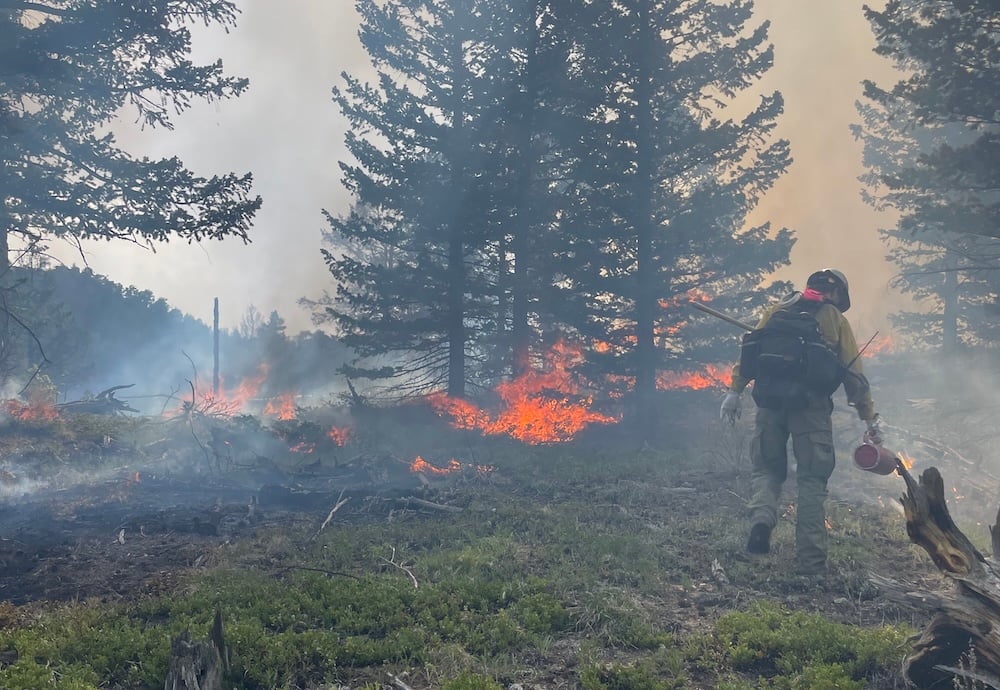
Fuels management involves assessing and modifying vegetation and other combustible materials that influence wildfire behavior. Strategies may include thinning, removing excess vegetation and using prescribed fire where appropriate to support land management and wildfire risk reduction goals.

What careers can a wildfire management certificate support?

The certificate can support professional development in wildfire mitigation, forestry, fuels management, fire ecology, forest restoration, environmental consulting and public land management.

How does forest restoration help reduce wildfire risk?

Forest restoration can help address ecological conditions that contribute to wildfire risk, depending on the ecosystem and restoration approach. Strategies may include managing vegetation density, supporting appropriate fire regimes and improving forest resilience. Restoration does not eliminate wildfire risk, but it can contribute to broader mitigation and ecosystem management objectives.

Who should consider a Forests, Fire & Fuels Certificate?

The certificate is relevant for graduate students and professionals working in forestry, wildfire mitigation, conservation, environmental consulting, public lands management and community wildfire resilience who want to expand their knowledge of fire and forest management.

Admissions, Cost & Requirements

Admissions
Tuition & Costs
Program Requirements

Master of Environmental Management Certificate Application Requirements

Applications will be holistically reviewed by certificate faculty to ensure appropriate placement and student success based on past achievement and potential. Entry into the program will mirror the Master of Environmental Management admissions process, with both fall and spring semester entry possible. A baccalaureate degree in environmental science, natural resource management, or a related field from an accredited college or university, with a minimum undergraduate GPA of 3.0 on a 4.0 scale or appropriate work experience and background required.

Submit:

• Official undergraduate or graduate transcript
• A resume or CV
• One-page professional intentions statement outlining student goals and experiences


Master of Environmental Management Certificate Tuition & Costs

Period Credits Tuition per Credit Fees per Credit Hour* Flat Fees** Total Tuition & Fees
Year 1: Fall 7 $847 $73.40 $50 $6,492.80
Year 1 Spring 7 $847 $73.40 $6,442.80
$12,935.60

*Mandatory graduate student fees per credit hour
Graduate Studies Administrative Operations Fee: $63.00
Library Fee: $6.50
IT Services Fee: $3.90

**Mandatory graduate student flat fees
One-Time Matriculation Fee: $50.00. Applies once to new students in their first semester.

Certificate

A certificate is a shorter program focusing on a specific field of expertise rather than an entire course of study. It does not result in a degree, but it can be completed alongside your major or as a stand-alone credential. Certificates are a great way to enhance your knowledge, strengthen your resume, and gain practical experience in a particular field.

Fellowships, Scholarships & Financial Aid

How to Apply

We are so excited about your interest in applying to the Forests, Fire & Fuels Certificate! Please take a moment to review the requirements and deadlines before accessing the application.

Faculty & Staff

Mountain Graphic