Skip to Main Content
Graduate

MS in Exercise Science: Applied Exercise Science and Performance

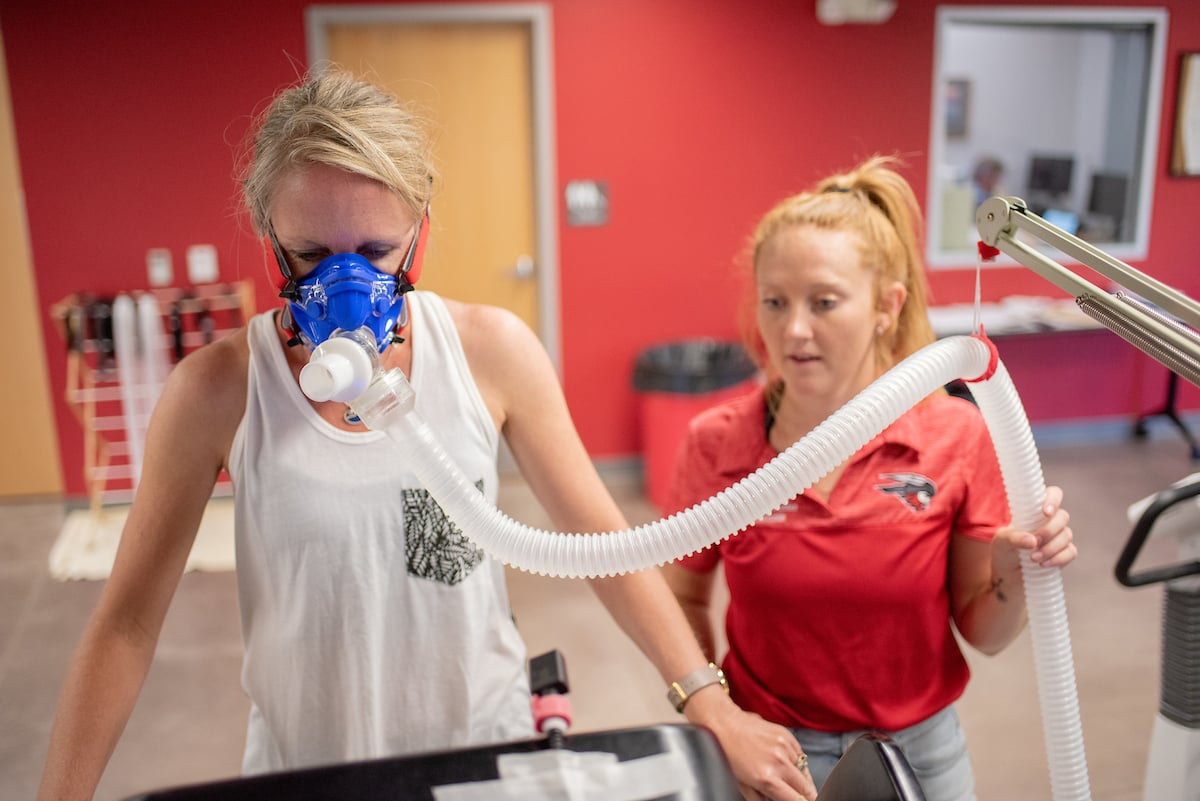
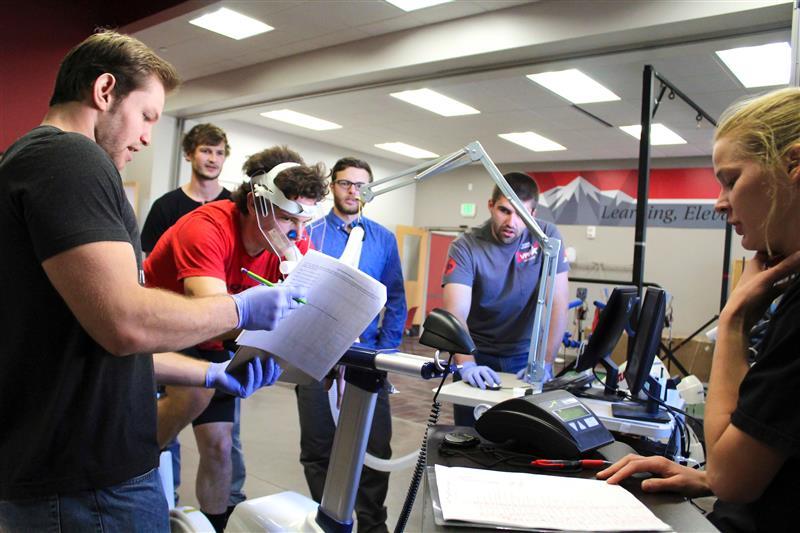
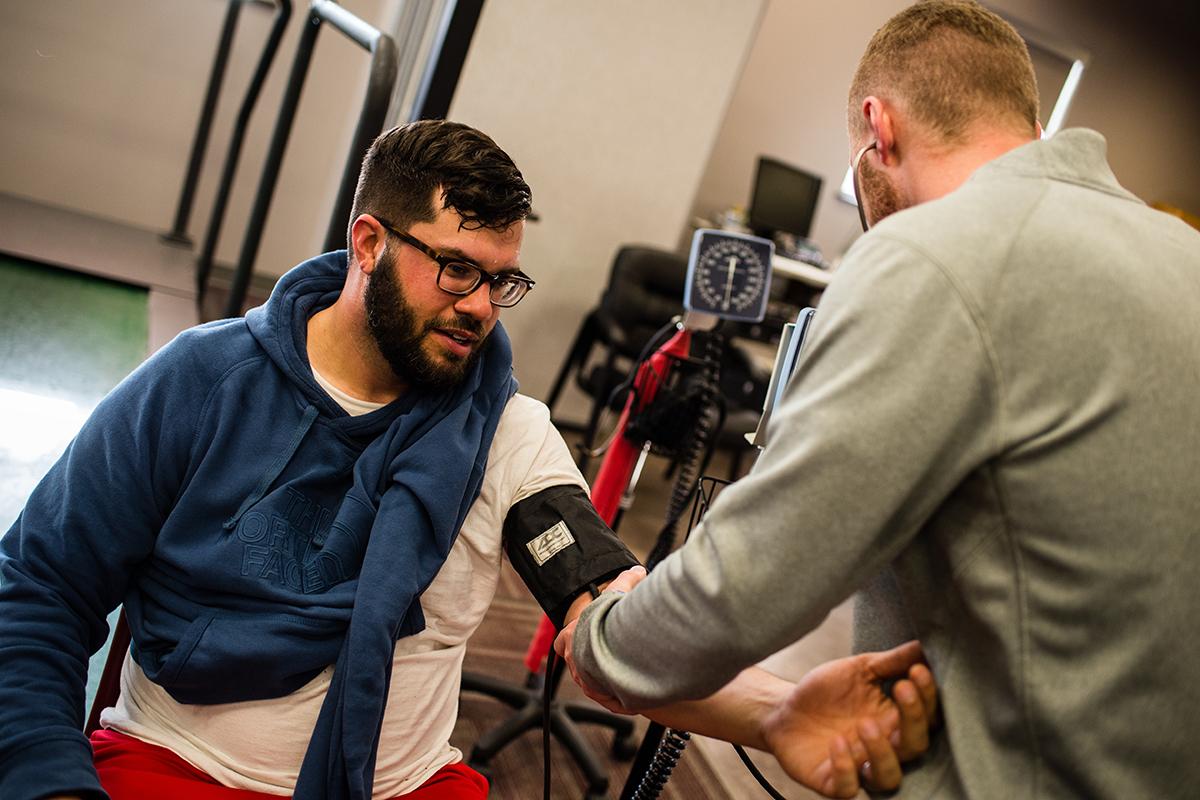
RESS student conducting different exercise tests on a HAP lab volunteer.
Part of:

Recreation, Exercise & Sport Science Department, School of Graduate Studies

Offered as:

Master's

Degree:

Master of Science in Exercise & Sport Science

Advance your expertise in exercise science and human performance.

Western Colorado University’s Master of Science in Exercise & Sport Science: Applied Exercise Science and Performance (AESP) is a research-based graduate exercise science program focused on human physiology, health and physical performance.

Students study how the human body responds and adapts to exercise while building advanced skills in exercise physiology, human performance, research, exercise testing and data analysis. Based in Gunnison, Colorado, the program provides a distinctive opportunity to study exercise and human physiology in a high-altitude environment.

Through hands-on laboratory research and close faculty mentorship, students prepare for careers in clinical exercise physiology, human performance, research, health and wellness, as well as doctoral and professional programs.

What Is a Master’s in Exercise Science?

A master’s in exercise science is a graduate degree focused on the scientific study of human movement, exercise physiology, health and physical performance. Students learn how the human body responds and adapts to exercise and develop advanced skills in research, physiological assessment, exercise testing and data analysis.

Exercise science master’s programs can prepare graduates for careers in clinical exercise physiology, human performance, strength and conditioning, cardiac rehabilitation, research, wellness and higher education. They can also provide preparation for doctoral programs and professional study in fields such as physical therapy and physician assistant studies.

At Western, the Applied Exercise Science and Performance program places particular emphasis on applied research and the physiological effects of exercise in challenging environmental conditions.

Why Study Exercise Science at Western?

Western’s AESP program combines graduate-level exercise science with hands-on research, faculty mentorship and access to a high-altitude environment.

Located in Gunnison, Colorado, at approximately 7,700 feet above sea level, Western gives students the opportunity to study human physiology and exercise in an environment where altitude is part of everyday life. Students can investigate how factors such as altitude and reduced oxygen availability influence health, exercise and physical performance.

The program emphasizes applied research rather than classroom learning alone. Students develop research questions, collect and analyze physiological data and build practical laboratory skills that prepare them for research, clinical and human performance settings.
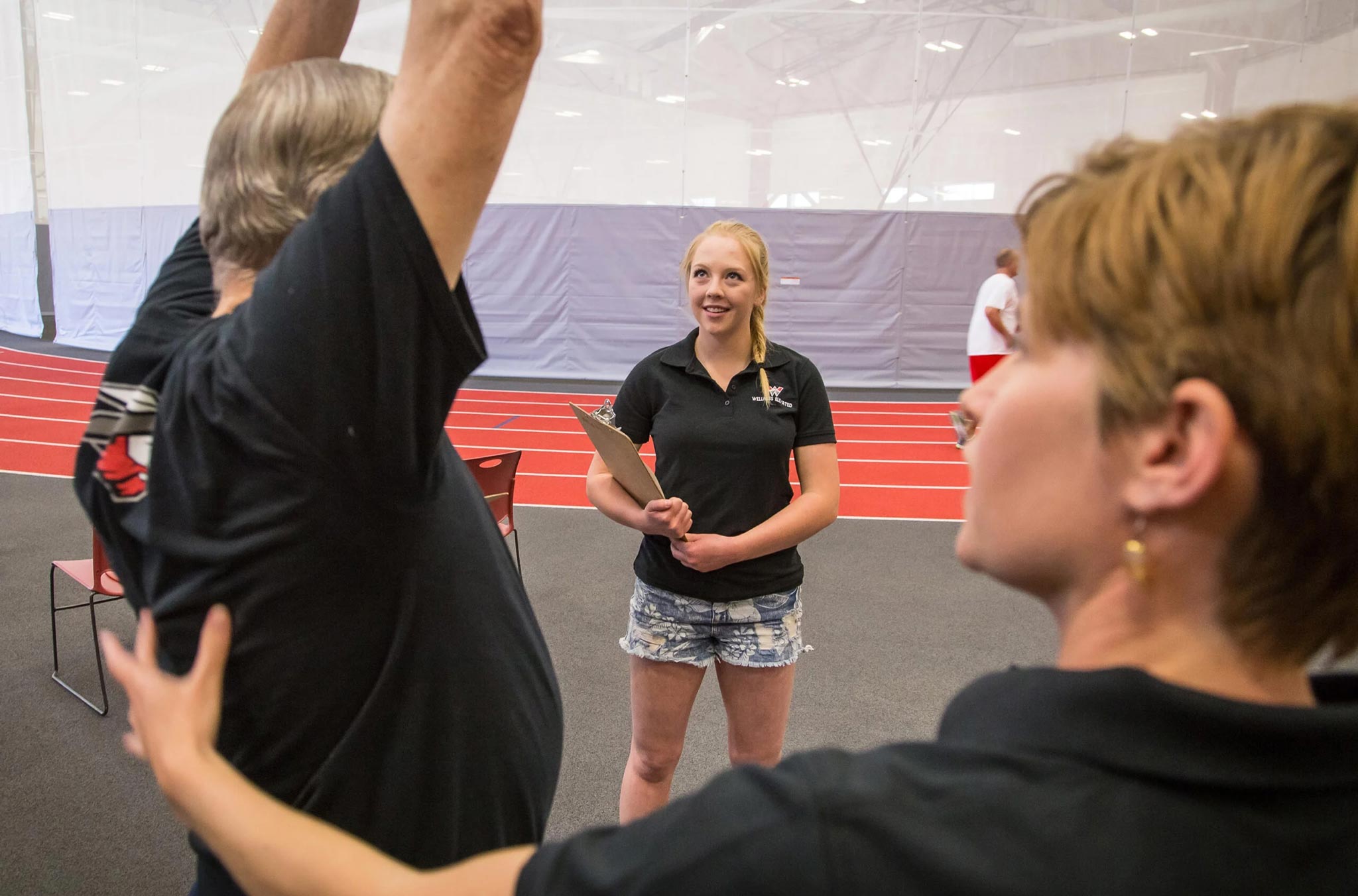
A student observes a person exercising in the Mountaineer Field House.

Applied Exercise Science and Performance Research Tracks

Students develop specialized expertise through research focused on different areas of exercise science and human physiology.

Clinical Exercise Physiology

Study how exercise influences health and physical function in clinical populations. Students explore physiological assessment, exercise testing and evidence-based approaches to improving health through physical activity.

Human Performance

Explore the physiological factors that influence athletic and physical performance. Research can examine exercise testing, training, recovery and the application of exercise science to improve human performance.

Cardiovascular Health

Study how exercise affects heart and vascular function through applied research focused on cardiovascular health, physiology and disease prevention.

Environmental Exercise Physiology

Study how the human body responds and adapts to environmental stressors such as high altitude and reduced oxygen availability. Western’s location provides a distinctive setting for investigating environmental physiology through applied research.

“I joined the MS program because of the professional development for a growing field that encompasses multiple aspects of exercise and physiology. Also, for the fun labs and amazing people!”

Kai Emmsley

MSc MS in Exercise Science: Applied Exercise Science and Performance
Kai Emmsley

MS in Exercise Science at a Glance

Degree: Master of Science in Exercise & Sport Science
Emphasis: Applied Exercise Science and Performance
Credits: 36
Format: In person
Time to Complete: Two years
Location: Gunnison, Colorado
Program Focus: Exercise physiology, human performance and applied research
Culminating Experience: Research-based thesis
Research Areas: Clinical exercise physiology, human performance, cardiovascular health and environmental exercise physiology

Study Human Performance at High Altitude

One of the defining features of Western’s exercise science master’s program is its location.

Western Colorado University sits at approximately 7,700 feet in Gunnison, Colorado, creating opportunities to study exercise physiology in a natural high-altitude environment. Students can investigate how the human body responds to environmental stressors and how those responses influence health, recovery and physical performance.

High Altitude Performance Laboratory

Students conduct research in Western’s High Altitude Performance Laboratory (HAP Lab), where they use exercise testing and physiological assessment equipment to collect and analyze real-world human performance data.

The combination of laboratory resources and Western’s mountain environment allows students to connect controlled research with physiological questions involving altitude, exercise and performance.

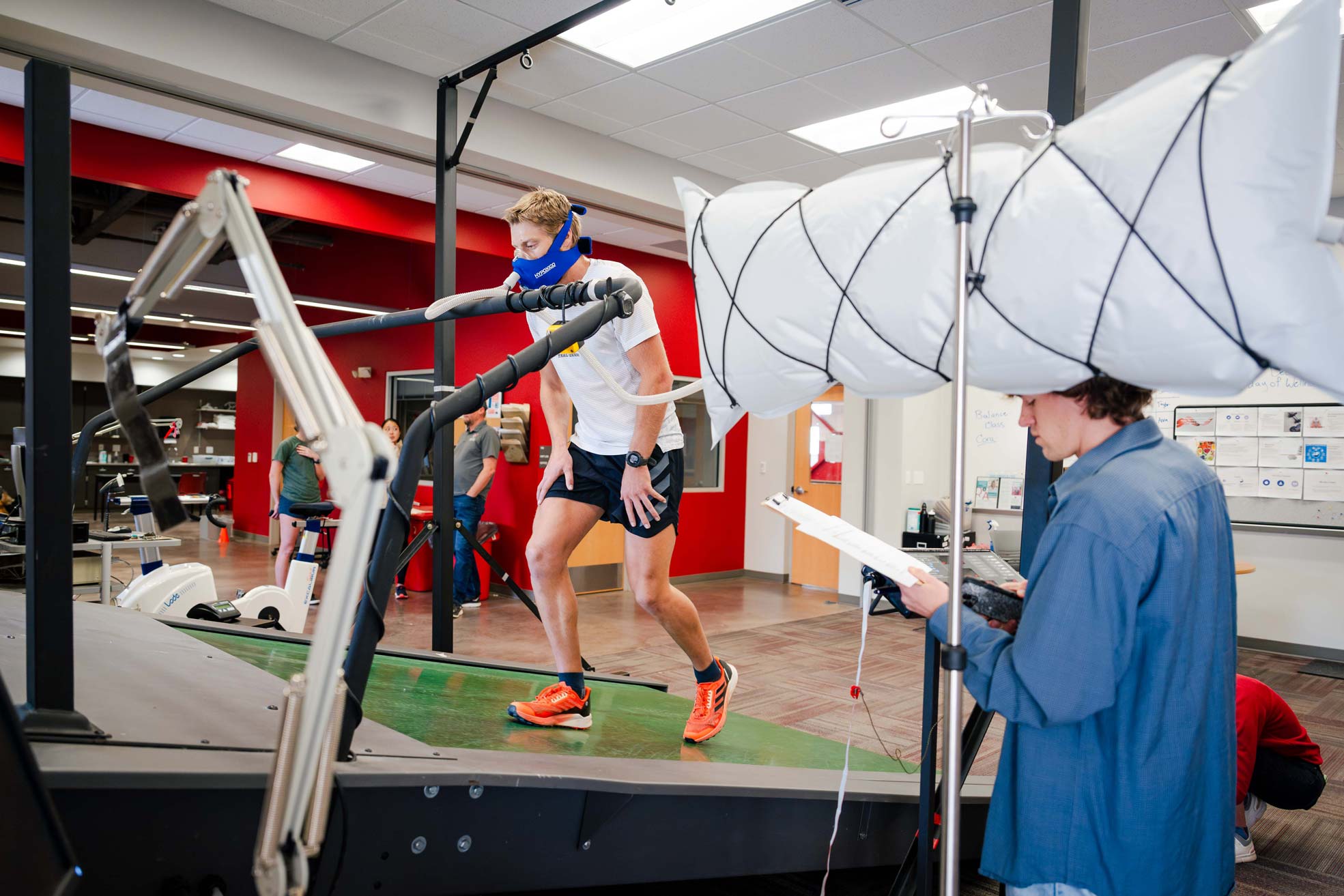
A student wears a face mask as he walks on an inclined treadmill inside the HAP Lab, simulating a trek to Mt. Everest base camp. A different student holds a clipboard and collects data.

Hands-On Exercise Physiology Research

Research is a central component of the AESP experience.

Students work closely with faculty to develop research questions, conduct exercise testing, collect physiological data, analyze results and communicate scientific findings. This process develops both advanced knowledge of exercise physiology and practical research skills applicable to clinical, performance and academic settings.

Students build experience in areas including:

  • Exercise testing
  • Exercise prescription
  • Exercise physiology laboratory techniques
  • Physiological assessment
  • Research design
  • Data collection and analysis
  • Scientific writing
  • Oral communication

What Can You Do With a Master’s in Exercise Science?

A master’s degree in exercise science can prepare graduates for careers in human performance, clinical exercise physiology, health, research and education. Students develop advanced knowledge of exercise physiology, research and human performance that can be applied across clinical, athletic and academic settings.

Potential career paths include:

  • Clinical Exercise Physiologist
  • Exercise Physiologist
  • Human Performance Specialist
  • Strength and Conditioning Coach
  • Cardiac Rehabilitation Specialist
  • Health and Wellness Specialist
  • Research Scientist
  • Exercise Science Researcher
  • Coach
  • College or University Instructor

Graduates may work in healthcare organizations, research laboratories, universities, wellness programs, rehabilitation settings, athletic organizations and human performance environments.

Preparation for Advanced and Professional Degrees

The AESP program also provides advanced scientific and research preparation for students planning to continue their education.

Graduates may pursue doctoral study in exercise physiology, exercise science, kinesiology or related fields. The program can also provide relevant preparation for professional programs such as physical therapy (PT) and physician assistant (PA) studies.

Master’s in Exercise Science FAQs

What is a master’s in exercise science?

A master’s in exercise science is a graduate degree focused on the science of human movement, exercise physiology, health and physical performance. Students typically study advanced exercise physiology, research methods, physiological assessment and the ways the human body responds and adapts to exercise.

How long does Western’s exercise science master’s program take?

Western’s Applied Exercise Science and Performance program is a 36-credit, two-year, in-person graduate program in Gunnison, Colorado.

Is Western’s exercise science master’s program online?

No. Western’s AESP program is offered in person in Gunnison, Colorado. The residential format provides students with hands-on laboratory research, faculty mentorship and opportunities to study exercise physiology in a high-altitude environment.

Does the program require a thesis?

Yes. The Applied Exercise Science and Performance program culminates in a research-based thesis project.

What can you do with a master’s in exercise science?

Graduates can pursue careers in clinical exercise physiology, human performance, cardiac rehabilitation, strength and conditioning, health and wellness, research and higher education. Some graduates also continue into doctoral or professional programs.

What is the difference between exercise science and exercise physiology?

Exercise science is a broad field examining human movement, physical activity, health and performance. Exercise physiology focuses more specifically on how the body responds and adapts to exercise.

Western’s AESP program incorporates advanced exercise physiology within a broader applied exercise science and human performance curriculum.

What is environmental exercise physiology?

Environmental exercise physiology examines how environmental conditions affect the body’s responses to exercise. These conditions can include altitude, heat, cold and reduced oxygen availability.

Western’s location in Gunnison, Colorado, provides students with opportunities to study exercise and human physiology in a natural high-altitude environment.

Do I need an undergraduate degree in exercise science to apply?

Applicants should have a BA or BS in Exercise and Sport Science or a related field and meet the program’s prerequisite coursework requirements. Students may enter with limited prerequisite deficiencies under the program’s admissions requirements.

Admissions, Cost & Requirements

Admissions
Tuition & Costs
Program Requirements

MS in Exercise and Sport Science: AESP Application Requirements

Candidate must submit:

  • Official Transcript of BA or BS degree in Exercise and Sport Science, or related field from a regionally accredited college or university showing cumulative GPA of at least 3.0 on a 4.0 scale.
  • Undergraduate Prerequisite Coursework (all prerequisites must be completed by the end of the first year of the MS. Students cannot start the program with more than two course deficiencies.):
    • General Health and/or Wellness course (lower or upper division)
    • Kinesiology or Biomechanics (lower or upper division)
    • Statistics (lower or upper division)
    • Chemistry (1 year lab-based) (lower or upper division)
    • Biology (general biology with lab) (lower or upper division)
    • Anatomy (with lab), Physiology (with lab) – can be a combined course (lower or upper division)
    • Exercise Physiology (with lab) (upper division)
    • Physics (lower or upper division)

Provisional Admission: An applicant who does not meet the requirements for full admission to the MS in Exercise & Sport Science: Applied Exercise Science and Performance program may be required to submit additional materials in order to be considered for provisional admission upon the recommendation of the program director and approval by the School of Graduate Studies. Prerequisite courses that must be completed prior to entering the AESP program include Anatomy and Physiology and Exercise Physiology (with lab). A provisionally admitted student will have a maximum of one calendar year to complete any pre-requisite academic coursework. The program director or the School of Graduate Studies may set additional timeline requirements.

International Students: see Graduate Academic Catalog section, Criteria for International Admission.

For admissions requirements for B.S. in Exercise and Sport Science, Clinical Exercise Physiology Emphasis & MS in Applied Exercise and Science Performance (3+2) program, please refer to the guidelines outlined in the undergraduate academic catalog under exercise & sport science.

MS in Exercise and Sport Science: AESP Tuition & Costs

Term Credits Tuition per Credit Fees per Credit Hour* Flat Fees** Total Tuition & Fees
Year 1: Fall 9 $720.00 $133.40 $50.00 $7,730.60
Year 1: Spring 9 $720.00 $133.40 $7,680.60
Year 2: Fall 9 $720.00 $133.40 $7,680.60
Year 2: Spring 9 $720.00 $133.40 $7,680.60
Program Total 36 $30,772.40

*Mandatory graduate student fees per credit hour
$50.00 Research Fee
$63.00 Graduate Studies Administrative Operations Fee
$6.50 Library Fee
$3.90 IT Services Fee

**Mandatory graduate student flat fees
One-Time Matriculation Fee: $50.00. Applies once to new students in their first semester.

Master of Science

A master’s degree is an advanced qualification earned after completing a bachelor’s degree. It focuses on a specific area of study and provides specialized knowledge and skills. This differs from a concentration, which is a more focused area within the master’s program. Your concentration determines the specialized courses you take, shaping your expertise in a particular field. To complete a master’s degree, students must fulfill core coursework, elective requirements, and often a final project, thesis, or practicum.

Financial Aid

How to Apply

We are so excited about your interest in applying to AESP! Please take a moment to review the requirements and deadlines before accessing the application. 

Faculty & Staff

Recreation, Exercise & Sport Science Department

Contact Information

Contact Location

Western Colorado University
Paul Wright Gym 209
1 Western Way
Gunnison, CO 81231

Mountain Graphic