Skip to Main Content
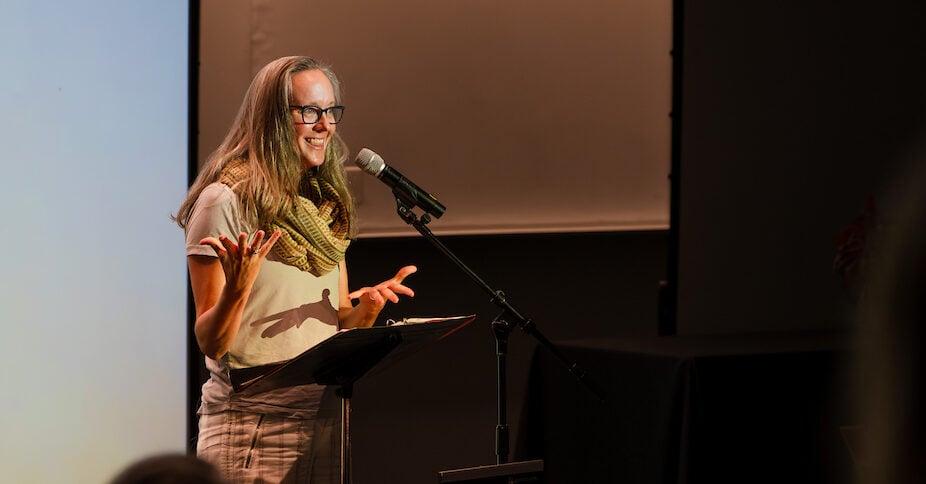
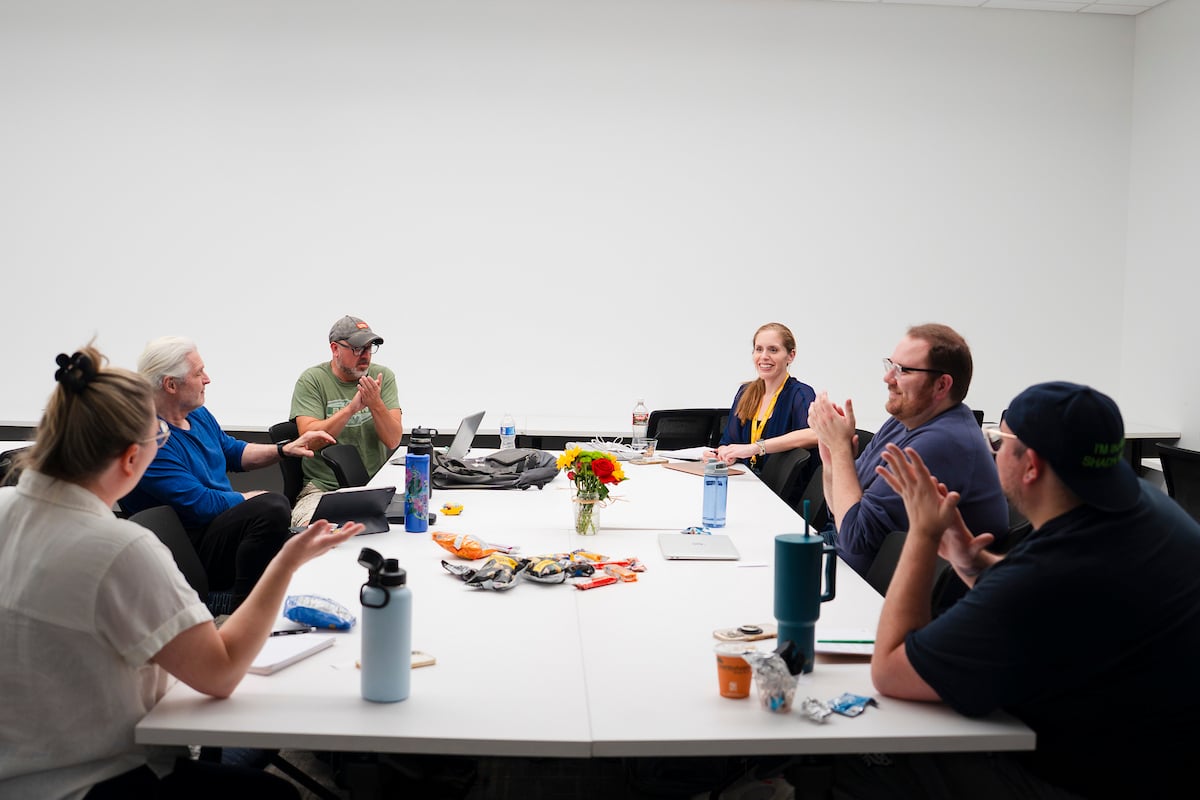
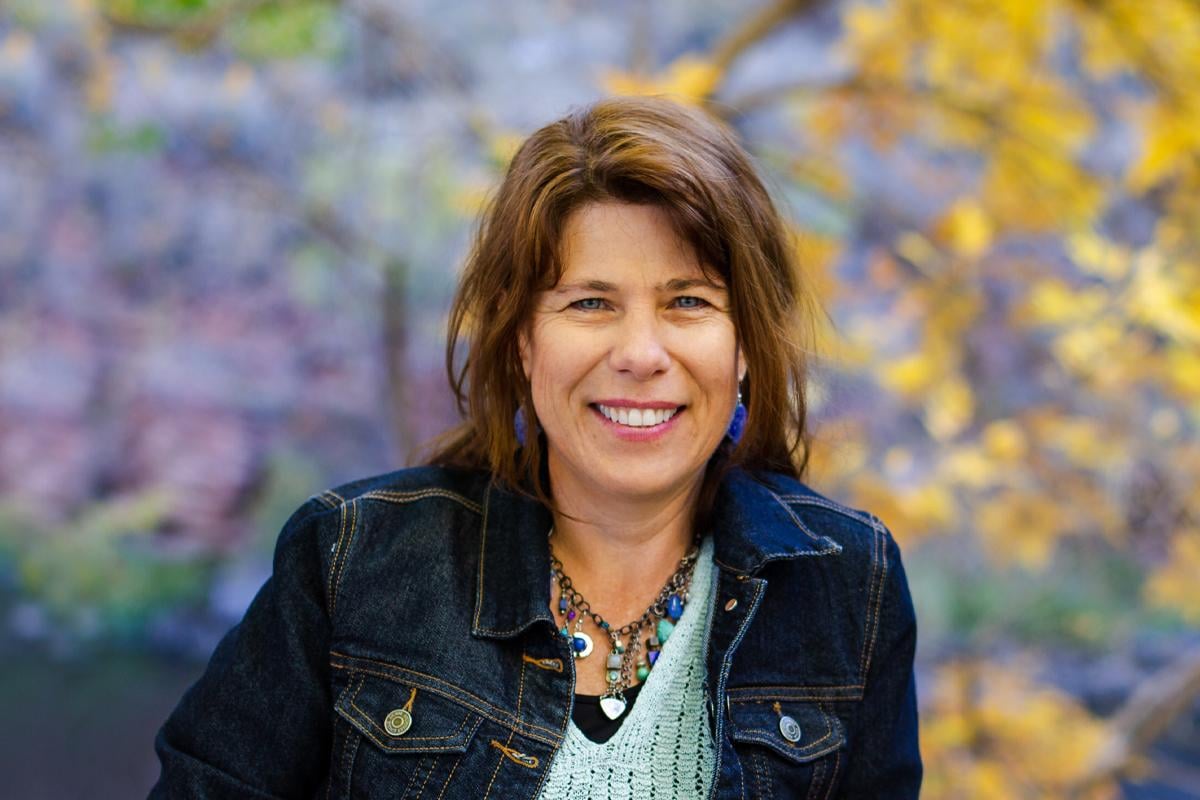
Poetry student Shelli Rottschafer presents her poetry thesis at the 2025 GPCW summer residency.

Poetry – MA or MFA in Creative Writing

Part of: Graduate Program in Creative Writing, School of Graduate Studies

Offered as: Master's Concentration

Degree: Master of Arts or Master of Fine Arts in Creative Writing

Related Areas of Study: Environment & Sustainability with Master of Fine Arts in Creative Writing, English with Master of Fine Arts in Creative Writing

Part of: Graduate Program in Creative Writing, School of Graduate Studies

Offered as: Master's Concentration

Degree: Master of Arts or Master of Fine Arts in Creative Writing

Related Areas of Study: Environment & Sustainability with Master of Fine Arts in Creative Writing, English with Master of Fine Arts in Creative Writing

Earn Your Poetry MFA or MA in Creative Writing

Poetry is the language of human experience. For writers seeking a graduate poetry program, Western Colorado University’s Poetry concentration offers advanced study within the MA or MFA in Creative Writing, combining live online workshops, immersive summer residencies, and yearlong one-on-one mentorship from practicing poets.

As one of five concentrations in Western’s Graduate Program in Creative Writing, the Poetry concentration provides a supportive literary home for poets at every stage of their journey. Students deepen their craft in a welcoming, intellectually engaged environment that values diverse voices, poetic traditions, and evolving literary aesthetics.

Designed for working professionals and active writers, this low-residency poetry master’s pathway offers the flexibility to pursue graduate study without relocating. While students earn an accredited Master of Arts (MA) or Master of Fine Arts (MFA) in Creative Writing, the Poetry concentration provides focused specialization in poetic craft, manuscript development, and literary practice.

Whether students pursue the one-year MA or the two-year MFA, the program emphasizes the development of a polished, publishable body of work, with opportunities to explore specialized areas such as Ecopoetry. Students graduate with a strong portfolio, a distinct poetic voice, and the confidence to pursue publication, teaching, and continued artistic growth within a lasting literary community.

Flexible for Your Schedule: Both the MA and MFA pathways are designed to support working professionals. Students may follow a full-time or half-time track and have up to five years from initial enrollment to complete their degree.

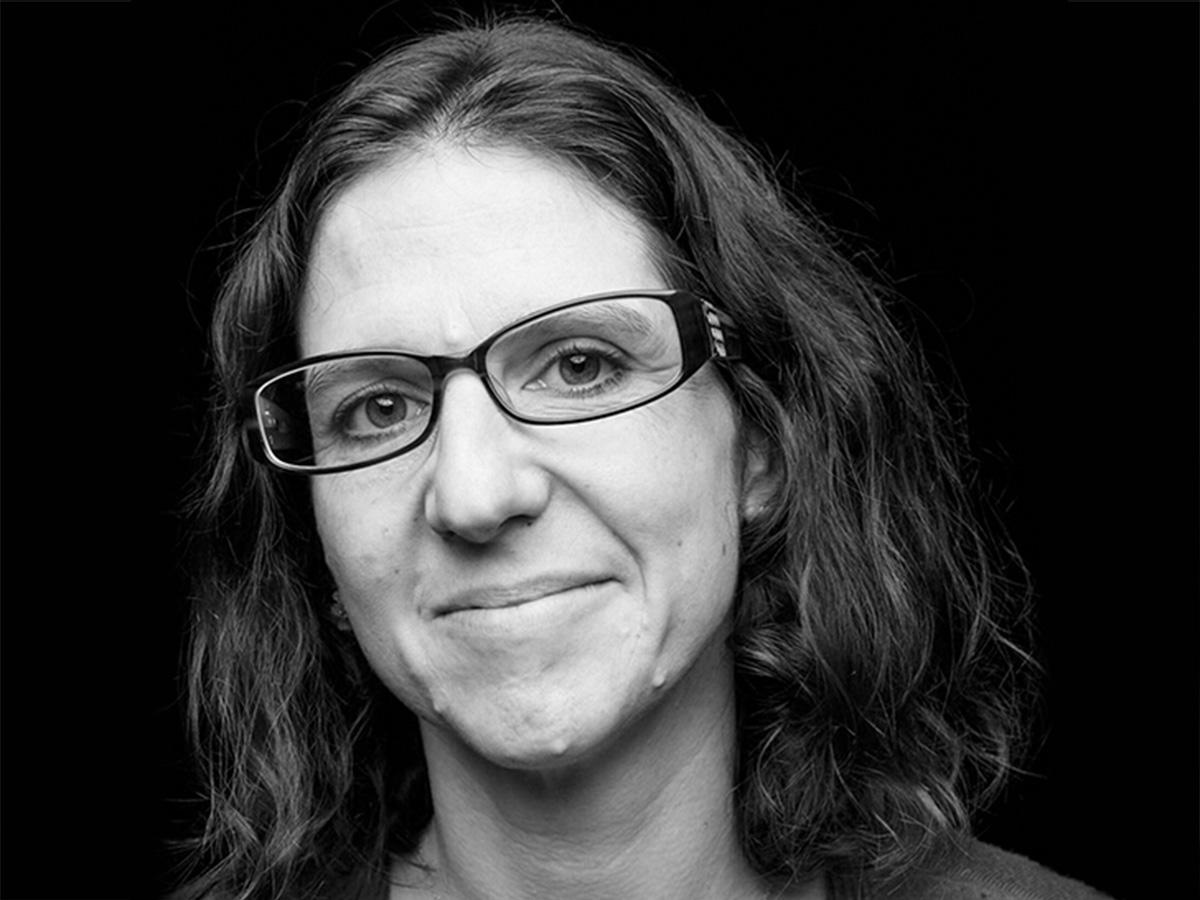
I recommend this program to anyone who needs flexibility and wants to be able to interact with other students and the instructors. The Zoom classes make me feel that I am there with others; it is a special part of my week. The instructors are so understanding and caring for the student; they are amazing.

Charlie Nightengale

Poetry – MA or MFA in Creative Writing
Charlie Nightengale

The Study of Poetry at Western

Poetry creates a visceral experience through the compressed power of sound, image, and form. At Western, poetry students explore the full range of poetic craft through close reading, experimentation, revision, and sustained creative practice.

Students engage deeply with poetry across literary traditions, historical periods, and cultural contexts while refining their own poetic voice and aesthetic vision. Through rigorous workshops and individualized mentorship from accomplished faculty poets, students strengthen both technical skill and emotional precision, creating work that resonates with readers and contributes to contemporary literary conversations.

Faculty mentors bring expertise in Ecopoetry, lyric tradition, formal innovation, and hybrid forms, helping students deepen their craft while taking creative risks and developing a stronger artistic practice.

A Community of Craft: What to Expect in Western’s Poetry Program

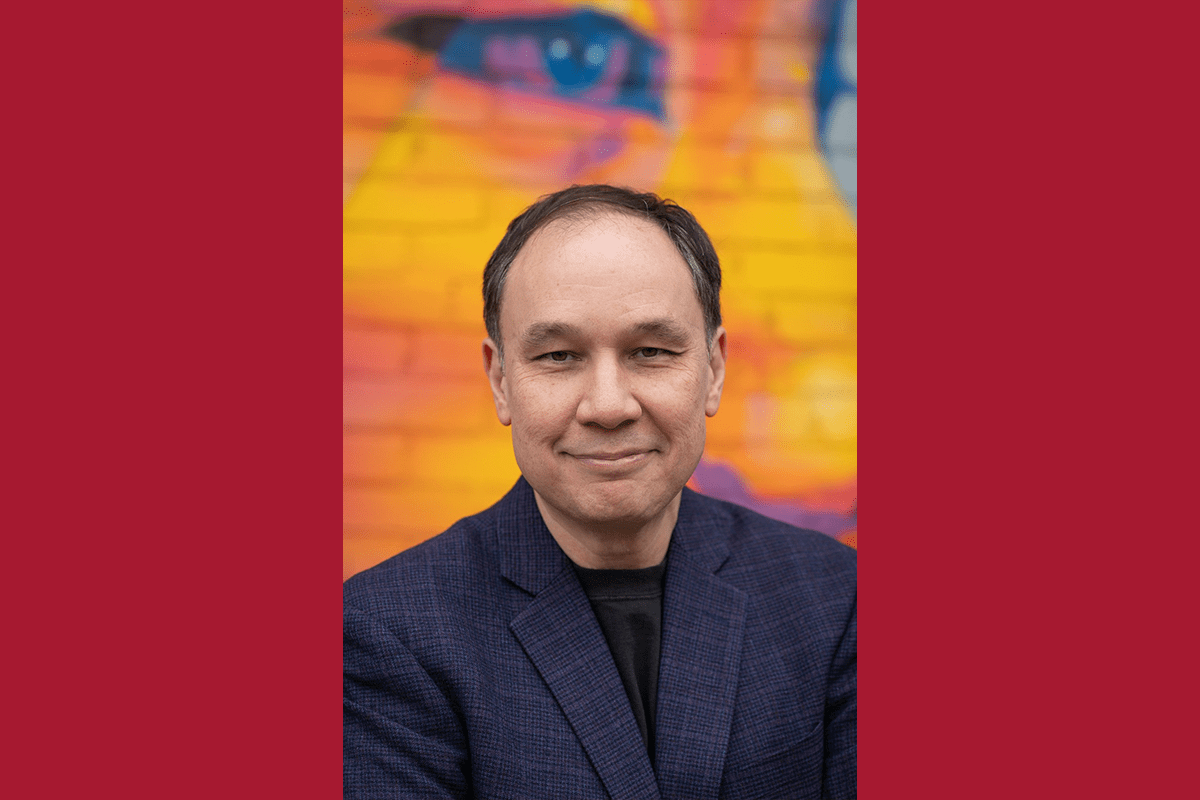
Graduate study in poetry is both rigorous and transformative. Western’s Poetry concentration is designed to help students deepen their craft, expand their literary perspective, and build the discipline needed for a sustainable writing life. Under the direction of Elizabeth Bradfield, students work to sharpen their voice and create poetry that carries emotional depth, clarity, and resonance.

Apprenticeship with Accomplished Poets

Students in the Poetry concentration work closely with an award-winning faculty of practicing poets, including CMarie Fuhrman, Maya Jewell Zeller, Byron Aspaas, Erica Reid, Tyson Hausdoerffer, and Cameron McGill.

Students also engage with visiting writers and guest speakers such as Linda Hogan, Ellen Bass, Ross Gay, and J. Drew Lanham, gaining exposure to a wide range of poetic approaches and professional literary pathways.

Your Creative Path

Summer Residencies: Poetry students participate in immersive summer residencies in Gunnison, Colorado. MFA students attend three residencies focused on program preparation, chapbook development, and professional presentation of their work, while MA students attend the first two.

Flexible Online Learning: During the academic year, students complete two six-credit courses each semester through live online workshops and video conferencing, allowing them to pursue a low-residency poetry master’s degree while maintaining professional and personal commitments.

The Culminating Manuscript: MFA students complete a book-length poetry manuscript under the mentorship of a faculty advisor, while MA students complete foundational coursework and residency experiences designed to strengthen poetic craft and creative development.

A Life in Poetry: Through close reading, revision, and exploration across styles, traditions, and forms, students build the craft, discipline, and confidence needed to sustain a lifelong writing practice.

Real-World Experience in Creative Writing

Western’s experiential learning approach helps creative writing students apply their craft in real-world literary and publishing spaces. Through live workshops, faculty mentorship, summer residency immersion, industry masterclasses, and collaborative literary community, students build practical experience that strengthens both their creative portfolio and professional development.

Ecopoetry: Where Poetry Meets Nature Writing

Western’s Ecopoetry Track within the Poetry concentration invites writers to explore the relationship between language, place, ecology, and the more-than-human world. Rooted in close attention to landscape and the living world, this specialized poetry pathway supports writers engaging ecological imagination, environmental change, and questions of justice, community, and belonging.

Drawing on the combined strengths of Western’s Poetry and Nature Writing concentrations, the Ecopoetry Track offers a distinctive opportunity for poets to deepen their craft through place-based writing, environmental literature, and contemporary ecopoetics. Writers from any landscape—urban, rural, or wild—are welcomed into this creative and interdisciplinary literary space.

Students in the Ecopoetry Track move through the Poetry cohort while completing at least two Nature Writing courses, creating a strong foundation in both poetic craft and environmental storytelling. Through close reading, field-based observation, and sustained creative practice, students engage contemporary ecopoetics alongside broader poetic traditions.

The culminating thesis or capstone centers on a cohesive collection of ecopoetry, developed under the mentorship of a practicing ecopoet. This pathway is designed for poets who want to strengthen their relationship to place and create meaningful work that responds to a rapidly changing world.

Students interested in the Ecopoetry Track should apply through the Poetry concentration and indicate their interest in ecopoetics in their application materials.

Students in the Ecopoetry Track will:

  • Read widely in contemporary poetry, ecopoetics, and nature writing
  • Strengthen their understanding of poetic craft, form, and literary terminology
  • Engage diverse literary voices and environmental traditions
  • Develop the ability to read critically and analytically as writers
  • Situate their own work within poetic, ecological, and literary lineages
  • Draft, revise, and complete a cohesive collection of ecopoetry

Frequently Asked Questions About the Poetry MFA and MA

What is the difference between an MA and an MFA in Poetry?

The MA is a 30-credit pathway designed for focused graduate study and creative development, while the MFA is a 60-credit terminal degree that includes deeper craft immersion, mentorship, residency experiences, and a book-length poetry manuscript.

Do I need to have published poetry to apply?

No. Applicants do not need to have published poetry before applying. The program looks for strong potential, commitment to the writing life, and a writing sample that reflects readiness for graduate-level creative work.

What kind of mentorship do poetry students receive?

Poetry students work closely with practicing poets through workshops, one-on-one mentorship, manuscript development, and residency experiences. MFA students receive dedicated faculty guidance while developing a book-length poetry manuscript.

Who teaches in the Poetry concentration?

The Poetry concentration is led by accomplished faculty poets, including Elizabeth Bradfield, with mentorship from writers whose work spans ecopoetry, lyric tradition, formal innovation, hybrid forms, and contemporary poetry.

What is Ecopoetry, and can I focus on it in this program?

Ecopoetry explores the relationship between language, place, ecology, and the more-than-human world. Students interested in ecopoetry can pursue the Ecopoetry Track within the Poetry concentration while also taking Nature Writing courses.

Can this program help me prepare for publication or teaching?

Yes. The Poetry concentration supports students in developing a strong creative portfolio, refining a manuscript, and building the craft foundation needed for publication, teaching, editing, and continued literary work.

Can I apply if my background is not in English or Creative Writing?

Yes. Applicants from a range of academic and professional backgrounds may apply. A strong writing sample, personal statement, and demonstrated commitment to poetry are more important than a specific undergraduate major.

Admissions, Cost & Requirements

MFA Admissions
MA Admissions
Tuition & Costs
Program Requirements

Joining Our Community: MFA Admissions & Requirements

We welcome applications for the Master of Fine Arts on a rolling basis from August 1 through May 31. Because our cohorts are small and highly personalized, we recommend applying early to secure your spot for our June start date. You can expect a decision from us within four weeks of completing your application.

What You’ll Need to Apply

  • A Bachelor’s Degree: Official transcripts from an accredited college (a 3.0 GPA is recommended).
  • A Personal Statement: A 1,000-word reflection on your experience, your commitment to the writing life, and why Western is the right home for your goals.
  • Two Professional Recommendations: Letters from mentors or colleagues who can speak to your readiness for graduate-level craft.
  • A Writing Sample: This is your chance to share your voice with us. Requirements vary by concentration:
    • Poetry: 10–15 pages.
    • Nature Writing: 20–25 pages (any genre or mix).
    • Genre Fiction: 20–25 pages.
    • Screenwriting: 15–30 pages of a screenplay or short film script.

Our Approach to Admission

We believe in potential. If you don’t meet every requirement for full admission, you may be considered for Provisional Admission, giving you the space and time (up to one year) to complete any necessary prerequisites while beginning your journey with us.

Transfer Credits

International Students

Joining Our Community: MA Admissions & Requirements

We welcome applications for the Master of Arts on a rolling basis from August 1 through May 31. Because we focus on small cohorts and high-level mentorship, we recommend applying early to secure your spot for our June start date. You will receive an admissions decision within four weeks of completing your application.

What You’ll Need to Apply

  • A Bachelor’s Degree: Official transcripts from an accredited college (a 3.0 GPA is recommended).
  • A Personal Statement: A 1,000-word reflection on your writing experience, your commitment to the craft, and how Western can help you reach your professional goals.
  • Two Professional Recommendations: Letters from individuals who can speak to your readiness for graduate-level work.
  • A Writing Sample: This is our first look at your voice. Please follow the guidelines for your chosen concentration:
    • Poetry: 10–15 single-spaced pages.
    • Nature Writing: 20–25 pages (any creative genre or a mix).
    • Genre Fiction: 20–25 pages (ideally from a single work).
    • Screenwriting: 15–30 pages of a screenplay.
    • Publishing: A 3- to 5-page critical assessment of a provided story.

Our Approach to Admission

We look for potential and dedication. If you don’t meet every requirement for full admission, you may be considered for Provisional Admission. This path allows you up to one year to complete any necessary prerequisites as you begin your journey with our faculty and community.

Transfer Credits

International Students

Investing in Your Writing Life

We believe in transparency when it comes to the cost of your education. Our low-residency model is designed to be accessible, allowing you to maintain your professional life while you pursue your degree. Tuition is billed by the credit hour, allowing you to manage your investment as you progress through the program.

Tuition & Program Value

  • Tuition: $749.60 per credit hour.
  • Standard Graduate Fees: $73.40 per credit hour (includes administrative operations, library, and IT services).
  • One-Time Matriculation Fee: $50.00. Applies once to new students in their first fall semester.
  • Summer Residency Fee: $600.00 (charged only during the summers you attend the residency in Gunnison).

Program Totals at a Glance

  • Master of Arts (MA): A focused 15-month journey totaling 30 credits. The estimated total for tuition and fees is $25,940.00.
  • Master of Fine Arts (MFA): A deep 27-month immersion totaling 60 credits. The estimated total for tuition and fees is $51,230.00.

All tuition and fees are subject to change, and any updates will be announced prior to the summer term.

For both the MA and MFA programs, students have a maximum of five years for completion of a master’s degree from initial enrollment as a graduate degree seeking student. In order to maintain active status, graduate students must register in at least one graduate course per academic year. 

The Master’s Experience: A Path to Your Professional Goals

A graduate degree is a transformative step that deepens your specialized knowledge and refines your artistic practice. At Western, your chosen concentration allows you to shape your expertise through high-level coursework, culminating in a final project or thesis that serves as a cornerstone for your long-term writing life.

Whether you seek the one-year MA for focused professional development or the two-year MFA terminal degree for university-level teaching and deep craft exploration, our program is built to support your unique journey.

Explore Your Program Path:

  • MA Program Requirements: A streamlined, one-year path to professional growth.
  • MA Degree Plan: View the course sequence tailored to your concentration.
  • MFA Program Requirements: The two-year terminal degree path for a deeper dive into craft and pedagogy.
  • MFA Degree Plan: Map out your journey toward a publishable thesis.

How to Apply

We’re excited about your interest in applying to the Graduate Program in Creative Writing with a concentration in Poetry! Before starting your application, please take a moment to review the requirements and deadlines. If you have any questions, don’t hesitate to reach out. We’re happy to help.

Scholarships & Financial Aid

We are committed to ensuring that our community remains diverse, inclusive, and accessible to writers from all walks of life. To support this mission, we offer:

Faculty & Staff

Graduate Program in Creative Writing

Contact Information

Contact Location

Western Colorado University
Quigley Hall 117
1 Western Way
Gunnison, CO 81231

Mountain Graphic