Skip to Main Content

Restore Ecosystems. Build Technical Skills. Make an Impact.

Develop practical skills in ecological restoration through Western Colorado University’s 14-credit Ecosystem Restoration Certificate. Designed for graduate students and working professionals, this program combines field-based training with technical coursework in watershed health, wetland delineation, ecological monitoring and restoration planning.

Through hybrid courses, field workshops and applied learning, students gain experience with water quality assessment, soil monitoring, GIS and drone mapping, and process-based restoration techniques. Modular coursework offers flexibility for professionals balancing graduate education with work or seasonal field positions.

What Is Ecosystem Restoration?

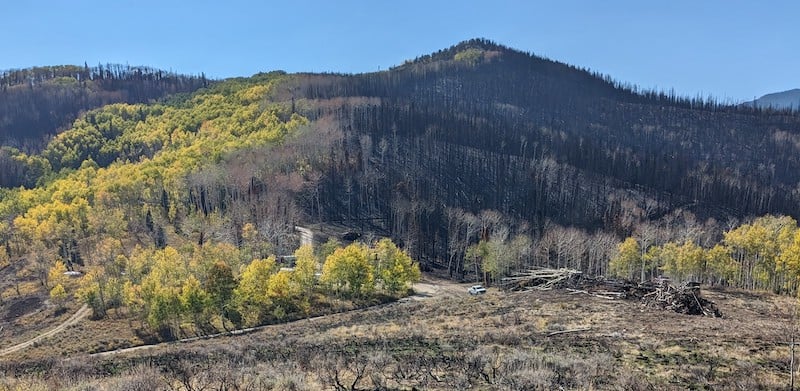
Ecosystem restoration is the process of helping degraded or damaged ecosystems recover their ecological health, functions and resilience.

Restoration professionals work across wetlands, watersheds, forests, riparian areas and other landscapes to address environmental degradation, improve ecosystem function and support long-term conservation.

Western’s Ecosystem Restoration Certificate focuses on the technical knowledge and practical methods used to assess environmental conditions, plan restoration projects and monitor ecological change.

Students explore how field data, ecological science and restoration techniques inform decisions about water resources, soils, vegetation and landscape health.

Why Earn an Ecosystem Restoration Certificate at Western?

Western’s Ecosystem Restoration Certificate emphasizes practical, field-based learning designed around the needs of environmental professionals.

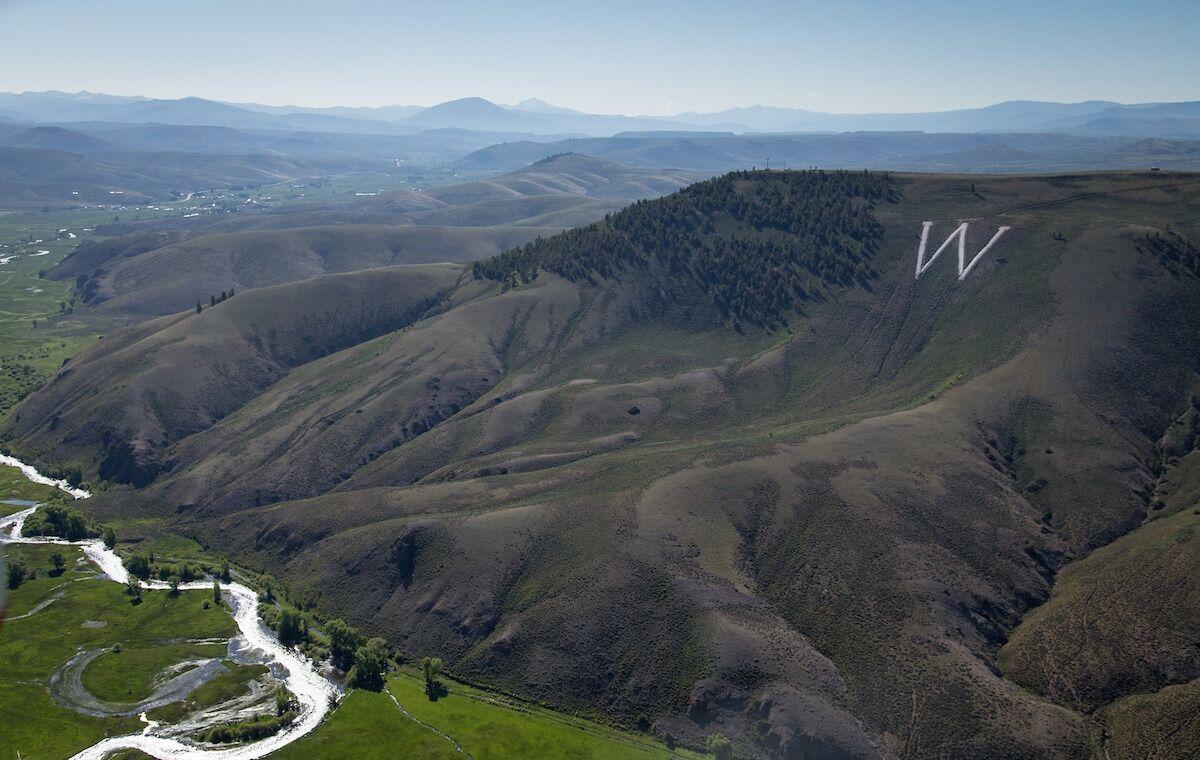
Located in Gunnison, Colorado, Western provides access to diverse mountain and Western Slope landscapes where students can explore ecological monitoring, watershed health and restoration challenges.

The program combines technical coursework with field workshops and hybrid learning opportunities, allowing students to develop specialized restoration skills while maintaining professional commitments.

Students can also explore restoration approaches informed by standards and principles established by the Society for Ecological Restoration, connecting their learning with established practices in the field.

As part of Western’s Master of Environmental Management (MEM), the certificate complements broader graduate study in conservation, sustainability and applied environmental management.

Ecosystem Restoration Certificate at a Glance

  • Credential: Graduate Certificate in Ecosystem Restoration
  • Credits: 14
  • Academic Focus: Ecological monitoring, wetland delineation, watershed assessment, soil health, GIS and restoration planning
  • Program Format: Hybrid coursework, modular courses and field-based workshops
  • Program Options: Available to MEM students, students in other graduate programs and qualified working professionals
  • Entry Terms: Fall and spring
  • Location: Western Colorado University, Gunnison, Colorado
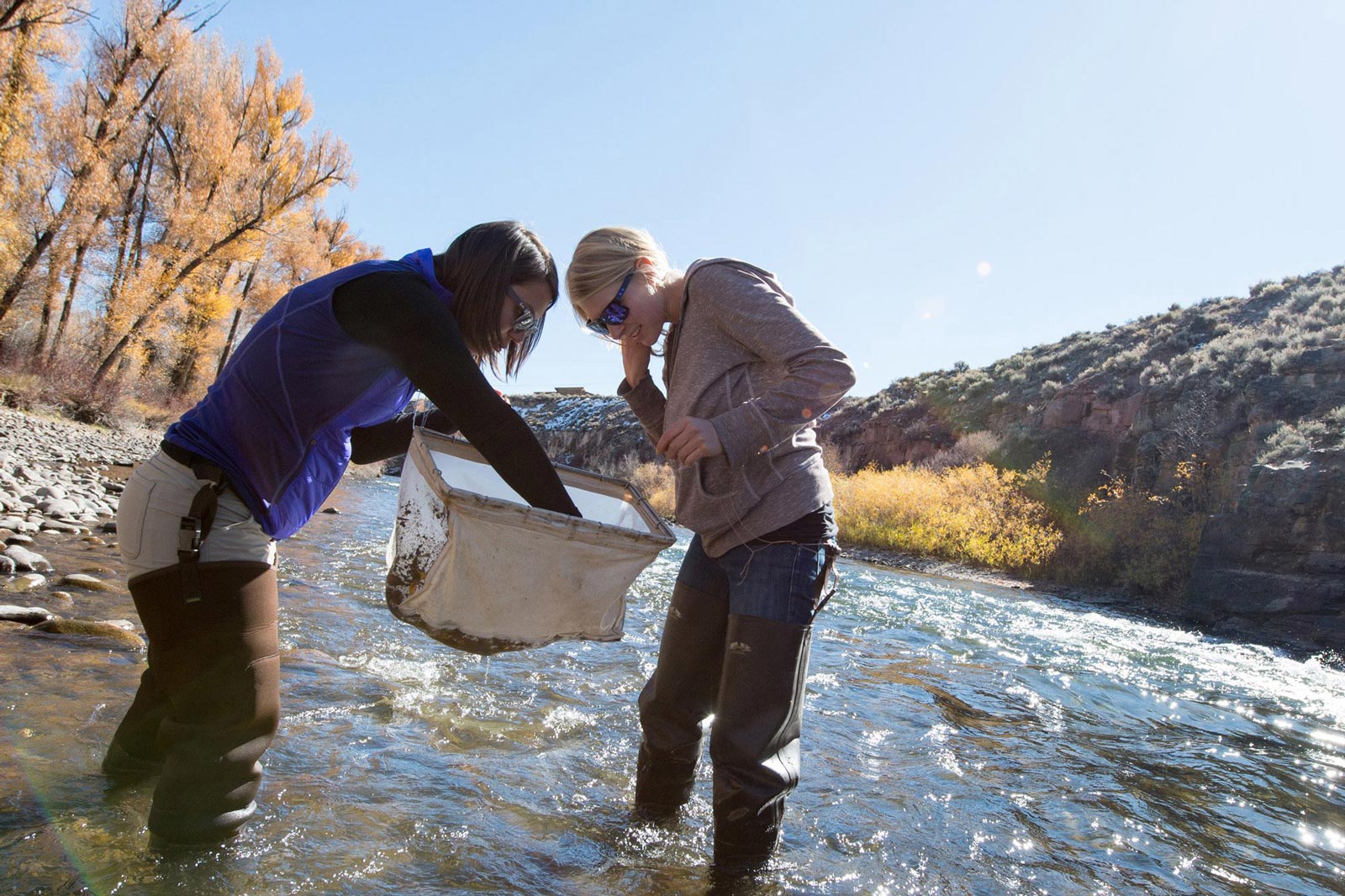
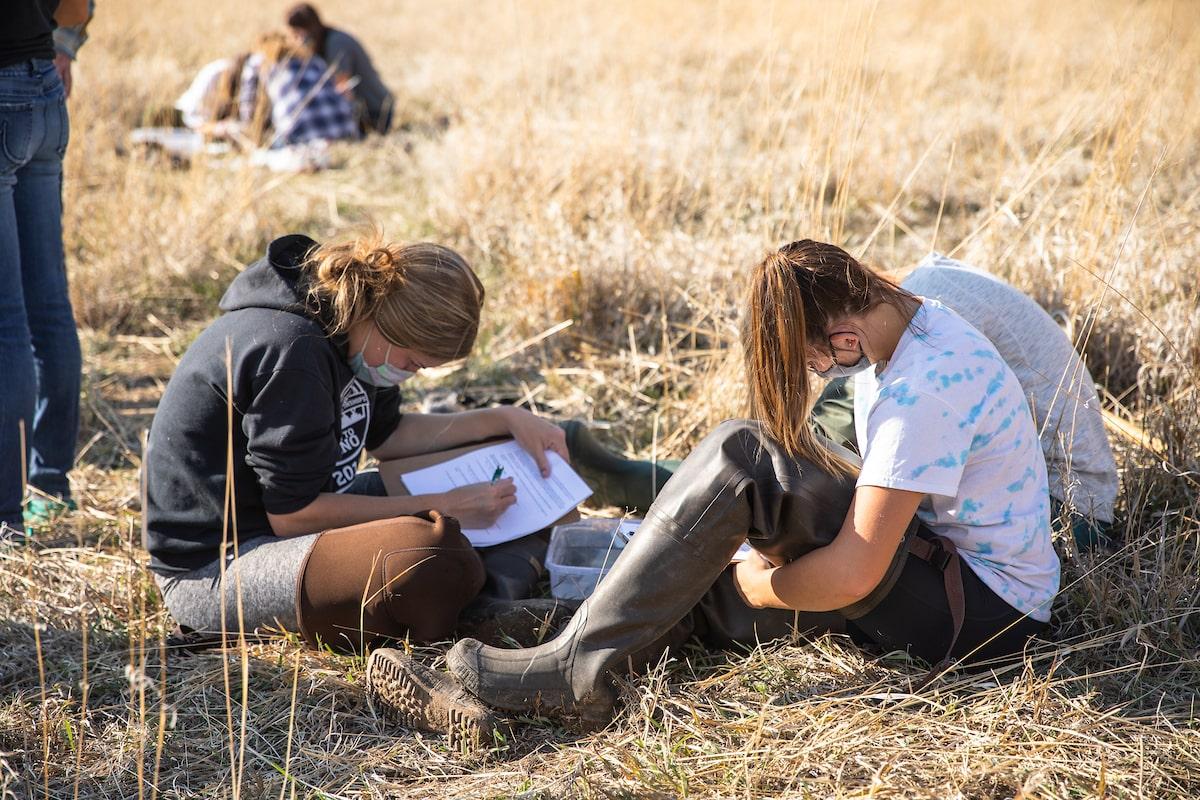
Two Ecology students study samples inside basket while wading in the Gunnison River.

Explore Ecological Restoration Techniques and Field Methods

Effective ecosystem restoration begins with understanding environmental conditions and selecting appropriate methods to support ecological recovery.

Western’s certificate introduces students to technical tools and field-based approaches used to assess ecosystems, plan restoration activities and monitor environmental change.

Wetland Delineation and Restoration

Explore methods for identifying, assessing and understanding wetland environments.

Students develop familiarity with wetland delineation, ecological indicators and the role wetlands play in watershed health, water quality and ecosystem function.

Watershed Health and Water Quality Assessment

Examine the relationships among water resources, landscape conditions and ecosystem health.

Learn approaches to water quality sampling, watershed assessment and interpreting environmental data to inform restoration planning and monitoring.

Soil Health and Ecological Monitoring

Explore techniques for evaluating soil conditions, moisture and other environmental indicators.

Students examine how soil health and ecological monitoring contribute to understanding ecosystem degradation, recovery and long-term restoration outcomes.

GIS and Drone Mapping for Restoration

Develop familiarity with geospatial tools used to assess landscapes and support environmental decision-making.

Explore how geographic information systems (GIS) and drone mapping can inform restoration site assessments, project planning and ecological monitoring.

Process-Based Restoration Planning

Examine restoration approaches that work with natural ecological and hydrological processes.

Students explore how process-based restoration can support ecosystem function, improve watershed conditions and inform long-term management strategies.

Academic Opportunities

Hands-On Ecosystem Restoration Experience

Western’s Ecosystem Restoration Certificate connects technical coursework with practical environmental assessment and restoration methods.

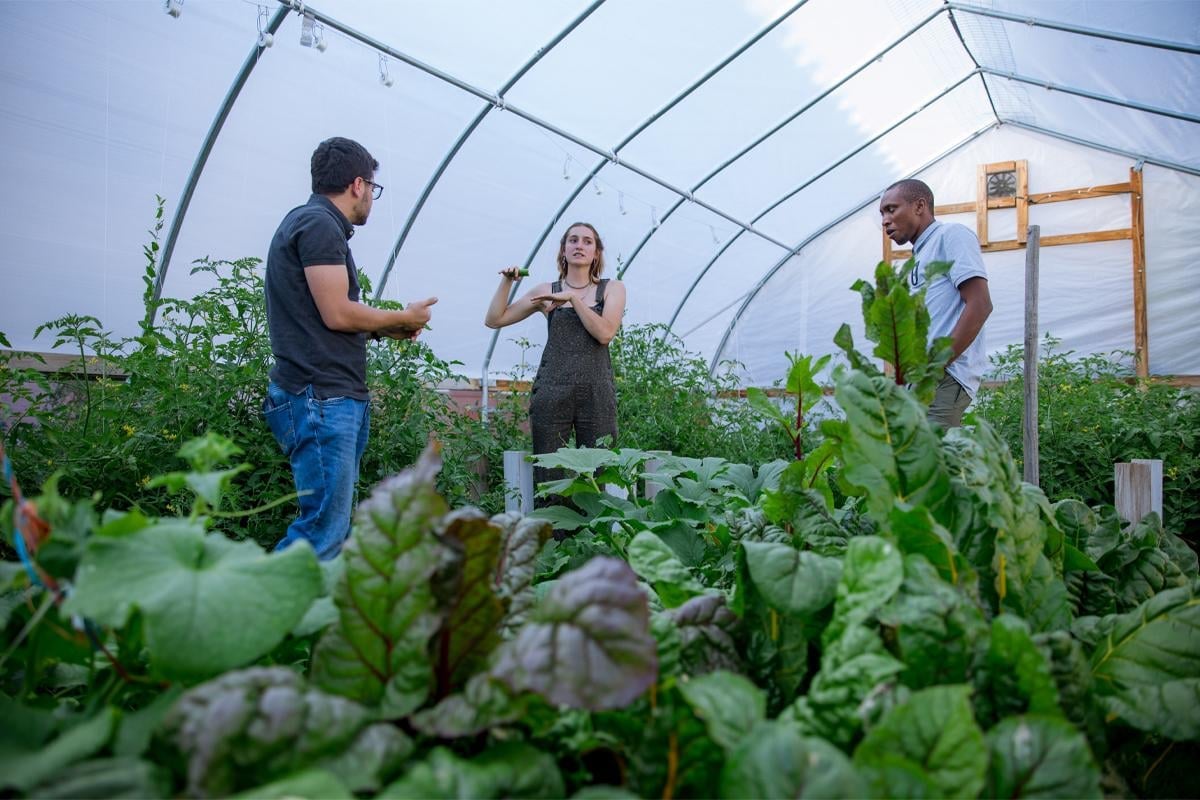
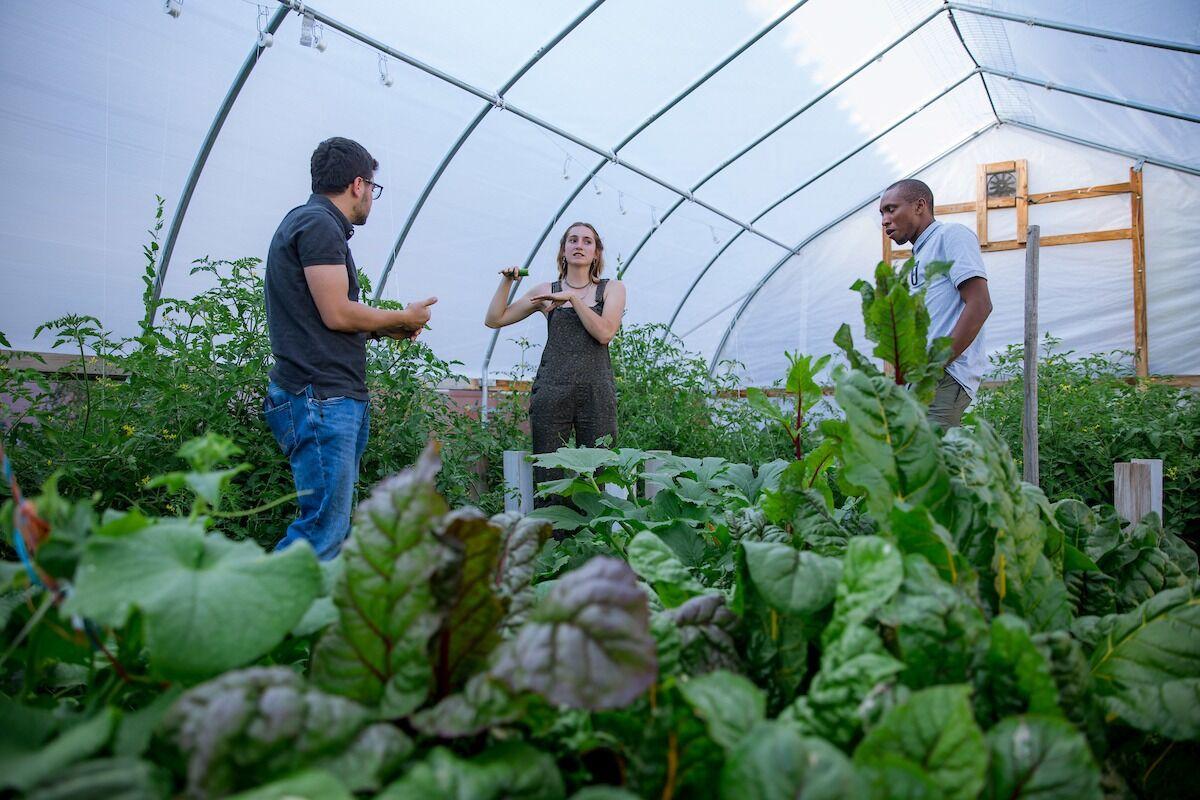
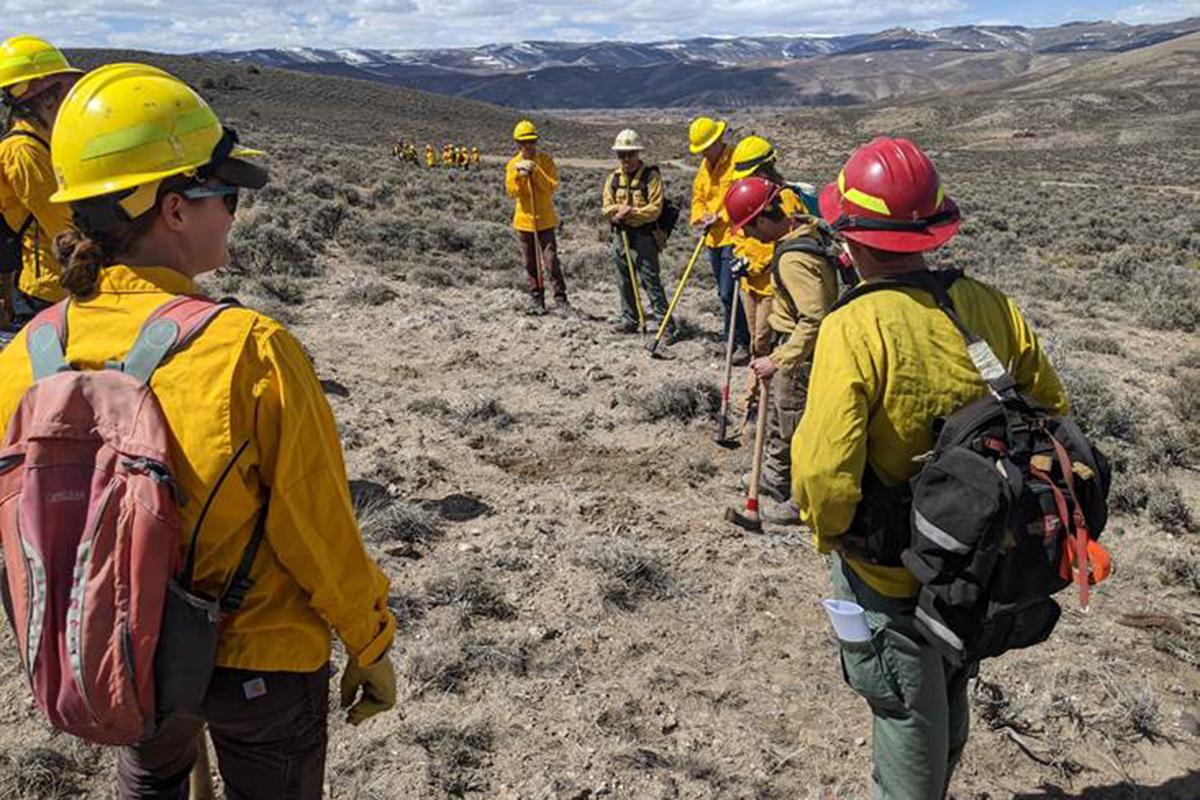
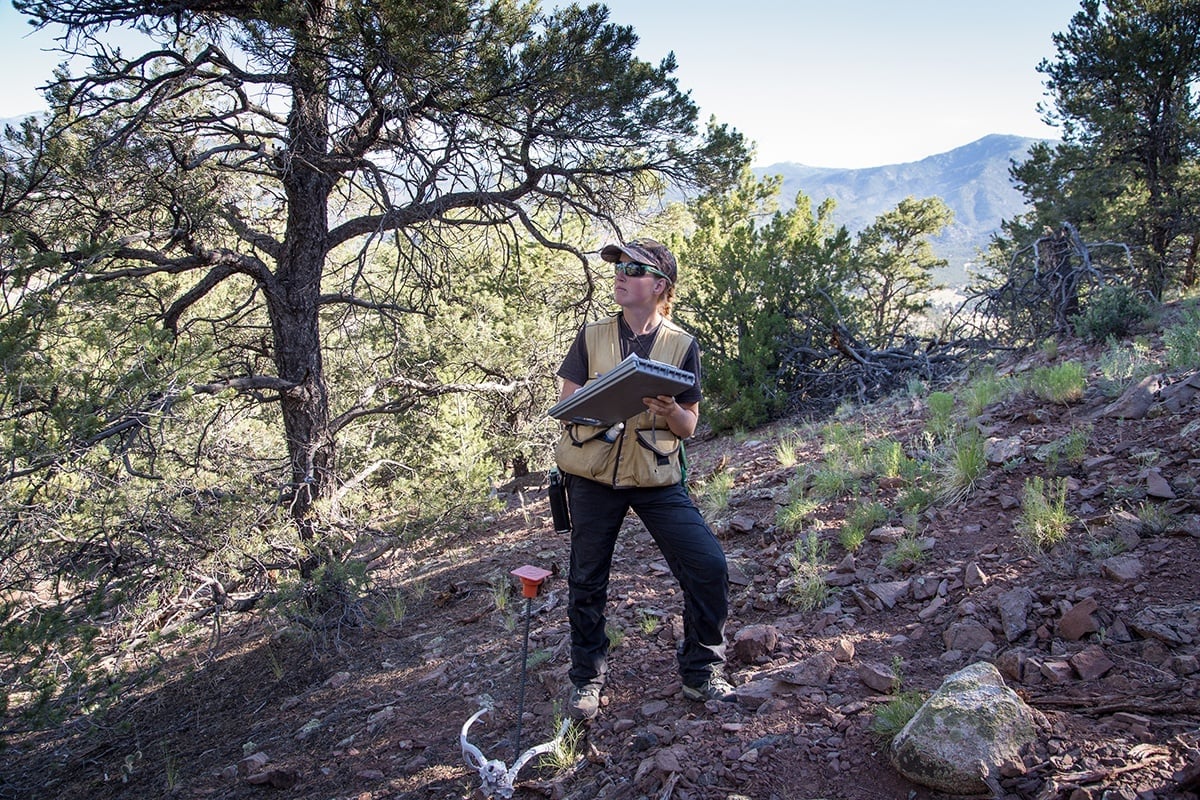
Through field-based workshops and applied learning, students explore how to collect and interpret environmental data, evaluate ecosystem conditions and use monitoring results to inform restoration decisions.

These experiences help students understand how restoration techniques are applied in professional settings, from initial site assessment to long-term ecological monitoring.

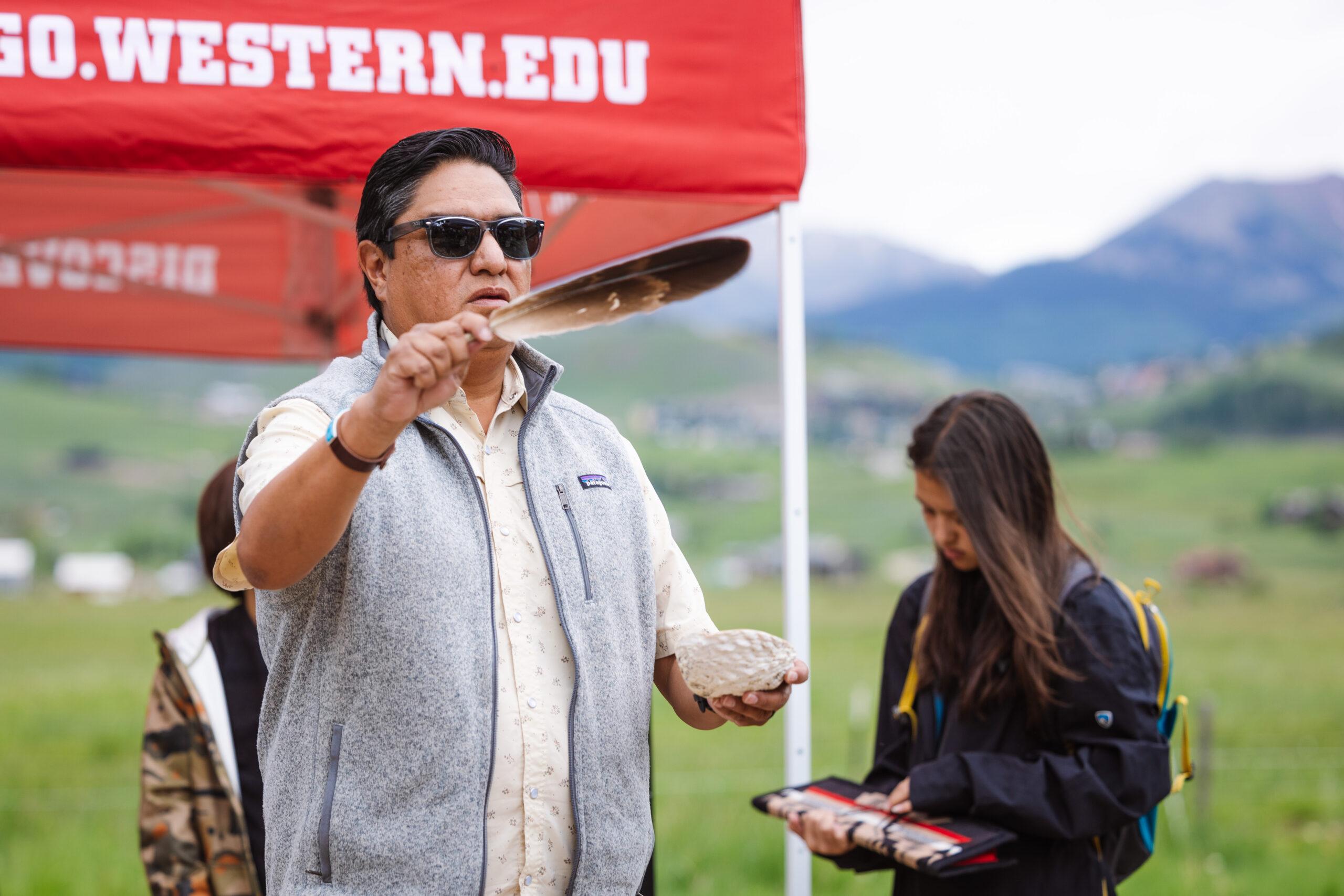
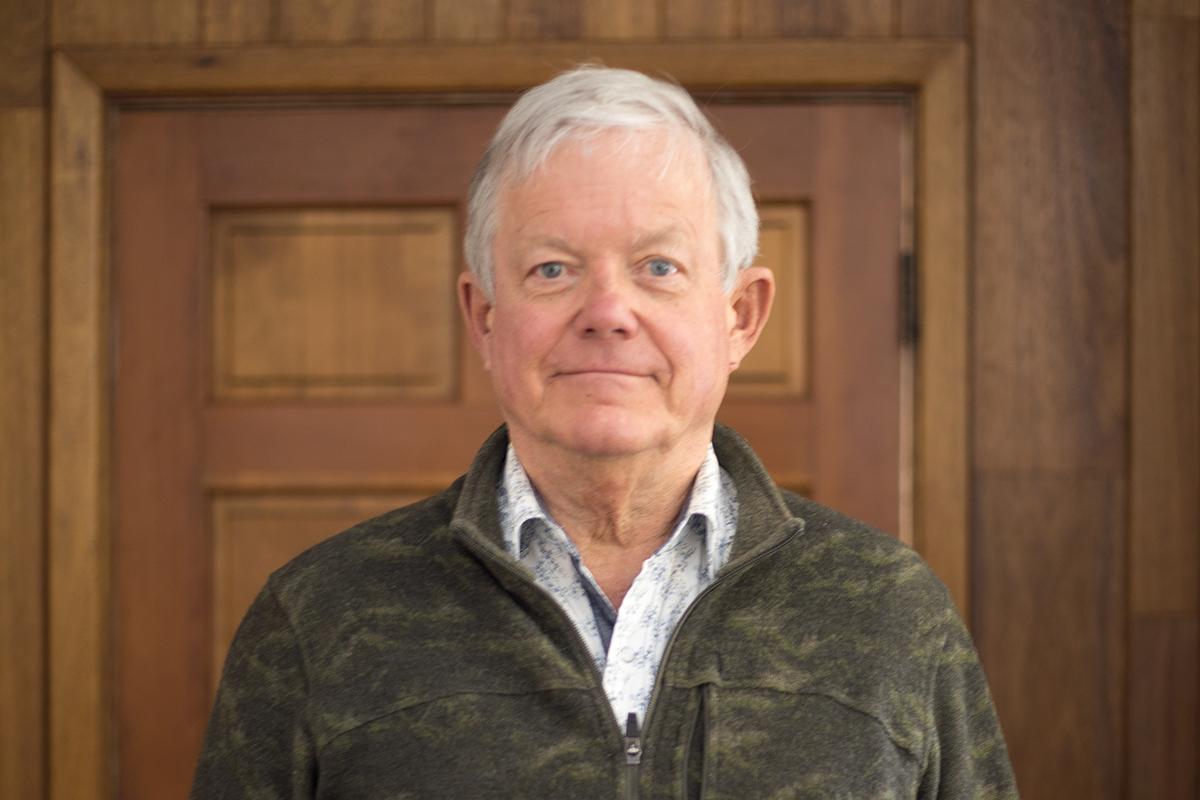
"Rachel Weakland has dedicated her professional efforts towards environmental education and creating global leaders here in Colorado and abroad."

Rachel Weakland

Rachel Weakland

What Can You Do With an Ecosystem Restoration Certificate?

An ecosystem restoration graduate certificate can support professional development in ecological restoration, conservation, environmental monitoring and natural resource management.

Potential career pathways include:

  • Restoration Ecologist
  • Environmental Technician
  • Water Resources Specialist
  • GIS Analyst
  • Land Use Planner
  • Conservation Project Manager
  • Ecological Restoration Specialist
  • Watershed Restoration Coordinator

Professionals in these fields may work with conservation organizations, environmental consulting firms, government agencies, watershed groups and natural resource management organizations.

Ecosystem Restoration Skills You'll Develop

Through technical coursework and field-based learning, students develop skills in:

  • Wetland Delineation
  • Watershed and Ecosystem Health Assessment
  • Soil Health and Moisture Monitoring
  • Water Quality Sampling and Interpretation
  • GIS and Drone Mapping for Restoration
  • Process-Based Restoration Planning and Implementation

These skills support the assessment, planning and monitoring activities involved in ecological restoration projects.

Who Is the Ecosystem Restoration Certificate For?

Western’s Ecosystem Restoration Certificate is designed for graduate students and working professionals seeking specialized training in ecological assessment and restoration.

The program is particularly relevant for individuals working in:

  • Ecological restoration and conservation
  • Watershed and water resource management
  • Environmental consulting
  • Public lands and natural resource management
  • Environmental monitoring and field research
  • Land stewardship and restoration project management

The certificate is open to current MEM students, students in other graduate programs and working professionals with a bachelor’s degree in a related field.

Whether you’re expanding your technical expertise or adding restoration skills to your existing graduate education, the program helps connect ecological knowledge with practical field applications.

Ecosystem Restoration Certificate FAQs

What is an ecosystem restoration certificate?

An Ecosystem Restoration Certificate is a graduate credential focused on the technical methods used to assess, restore and monitor ecological systems. Western’s 14-credit program covers wetland delineation, watershed health, soil monitoring, GIS, water quality assessment and restoration planning.

What is the difference between ecosystem restoration and ecological restoration?

Ecosystem restoration and ecological restoration are closely related terms that describe efforts to help degraded or damaged ecosystems recover. Ecological restoration commonly emphasizes recovering ecosystem structure, function and ecological processes, while ecosystem restoration is often used more broadly to describe restoring ecosystem health and services.

Can I earn the Ecosystem Restoration Certificate without completing a master's degree?

Yes. Western’s Ecosystem Restoration Certificate is available to qualified working professionals with a bachelor’s degree in a related field, as well as current MEM students and students enrolled in other graduate programs.

Is Western's Ecosystem Restoration Certificate offered online?

The program combines hybrid coursework with field-based workshops. Its modular structure is designed to provide flexibility for working professionals, although students should confirm any in-person requirements and scheduling details before enrolling.

What technical skills will I learn in an ecosystem restoration certificate program?

Students explore wetland delineation, watershed and ecosystem health assessment, soil moisture monitoring, water quality sampling, GIS and drone mapping, and process-based restoration planning and implementation.

What careers can an ecosystem restoration certificate support?

The certificate can support professional development in ecological restoration, environmental consulting, watershed management, conservation project management, ecological monitoring and natural resource management.

What is process-based restoration?

Process-based restoration focuses on supporting or restoring natural ecological and physical processes that help ecosystems function and recover. Rather than relying only on individual site improvements, these approaches consider how water, sediment, vegetation and other ecosystem processes interact over time.

Who should consider an ecosystem restoration certificate?

The certificate is designed for graduate students and environmental professionals seeking practical restoration training, including individuals working in conservation, watershed management, environmental consulting, land stewardship, ecological monitoring and natural resource management.

Admissions, Cost & Requirements

Admissions
Tuition & Costs
Program Requirements

Master of Environmental Management Certificate Application Requirements

Applications will be holistically reviewed by certificate faculty to ensure appropriate placement and student success based on past achievement and potential. Entry into the program will mirror the Master of Environmental Management admissions process, with both fall and spring semester entry possible. A baccalaureate degree in environmental science, natural resource management, or a related field from an accredited college or university, with a minimum undergraduate GPA of 3.0 on a 4.0 scale or appropriate work experience and background required.

Submit:

• Official undergraduate or graduate transcript
• A resume or CV
• One-page professional intentions statement outlining student goals and experiences


Ecosystem Restoration Certificate Tuition & Fees

Master of Environmental Management Certificate Tuition & Costs

Period Credits Tuition per Credit Fees per Credit Hour* Flat Fees** Total Tuition & Fees
Year 1: Fall 7 $847 $73.40 $50 $6,492.80
Year 1 Spring 7 $847 $73.40 $6,442.80
$12,935.60

*Mandatory graduate student fees per credit hour
Graduate Studies Administrative Operations Fee: $63.00
Library Fee: $6.50
IT Services Fee: $3.90

**Mandatory graduate student flat fees
One-Time Matriculation Fee: $50.00. Applies once to new students in their first semester.

Certificate

A certificate is a shorter program focusing on a specific field of expertise rather than an entire course of study. It does not result in a degree, but it can be completed alongside your major or as a stand-alone credential. Certificates are a great way to enhance your knowledge, strengthen your resume, and gain practical experience in a particular field.

Fellowships, Scholarships & Financial Aid

How to Apply

We are so excited about your interest in applying to the Ecosystem Restoration Certificate! Please take a moment to review the requirements and deadlines before accessing the application.

Faculty & Staff

Mountain Graphic