Growing Partnerships & Community Benefits
- U.S. Forest Service and public land agencies
- Local ranchers, farmers, and gardeners
- Sustainable development coalitions
- Wildfire mitigation and forest health programs
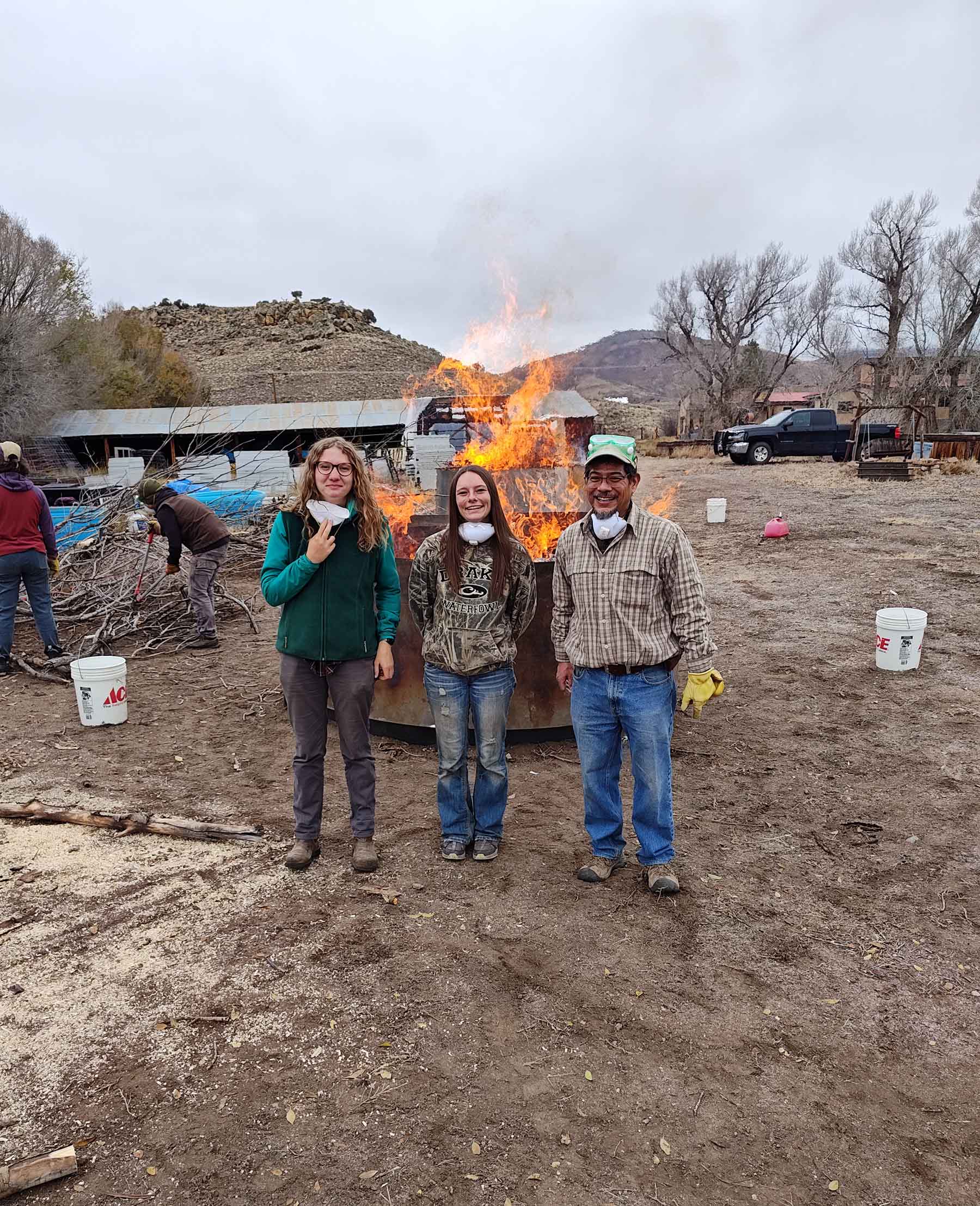
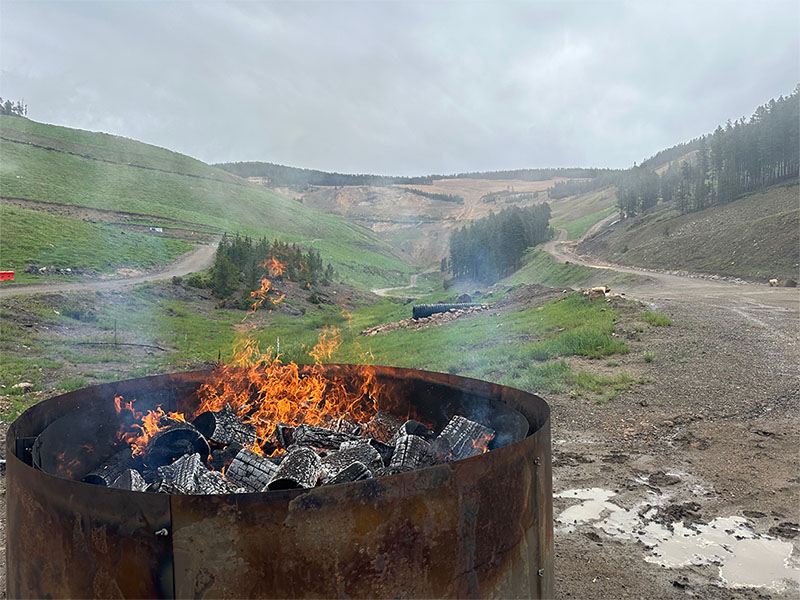
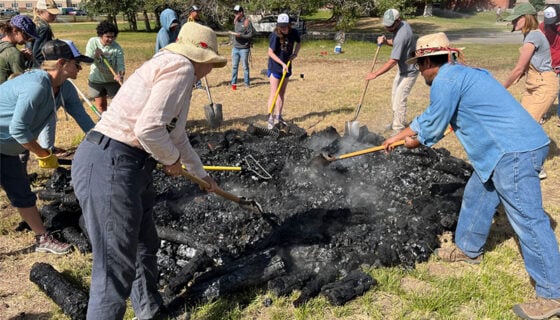
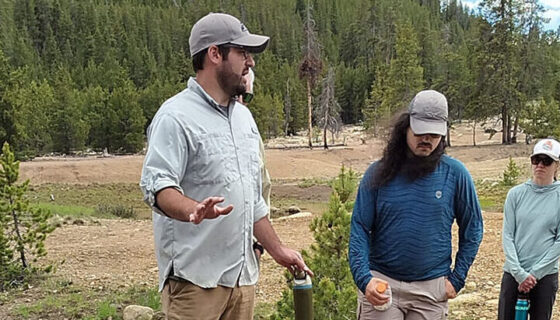
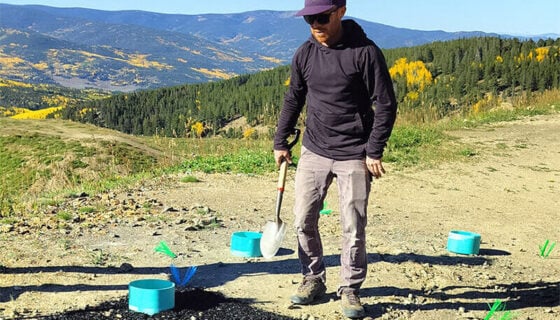
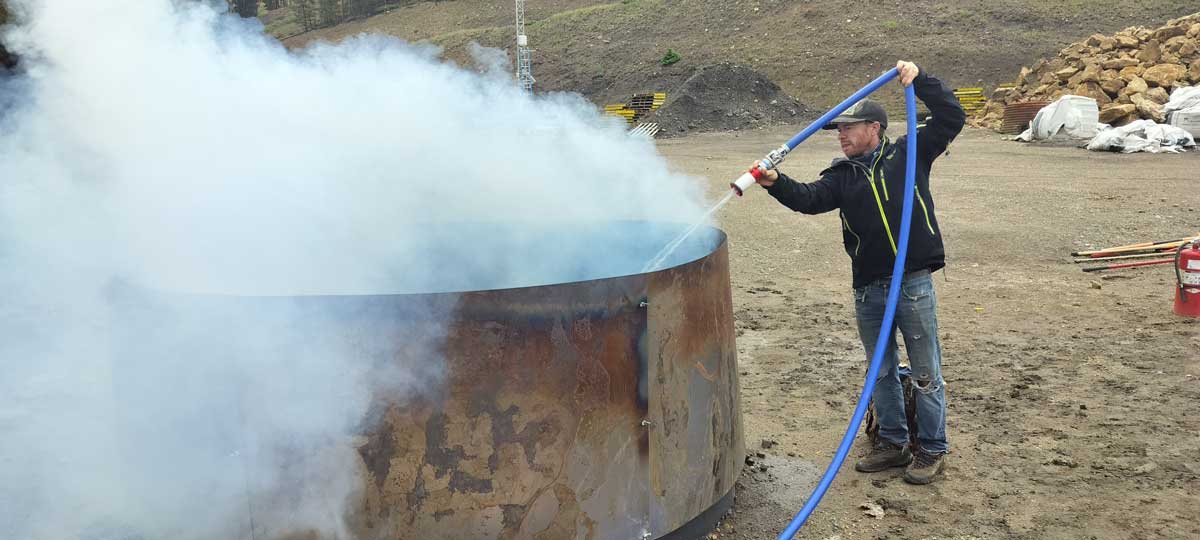
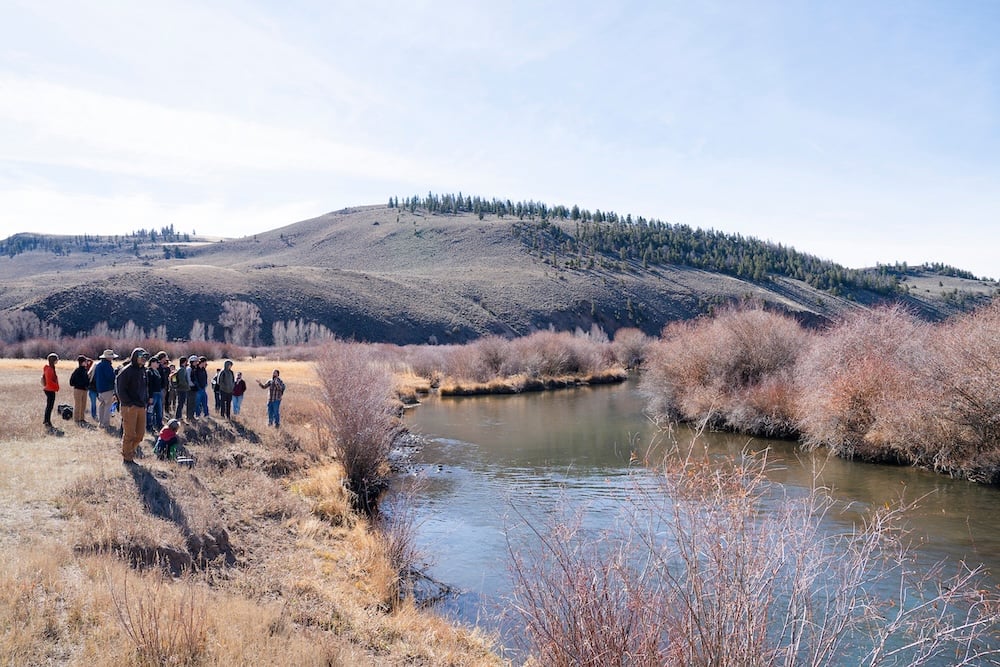
Join Western Colorado University, Couldharbour Institute, and our partners for a two-day theory-to-practice biochar workshop that explores the technology, science, and practical applications of this potent regenerative material and its many benefits. This hands-on training workshop teaches the principles and benefits of biochar, including its production and application as a soil amendment and a tool for environmental remediation. Participants will gain hands-on experience using the ring-of-fire kiln and other kilns and learn how to apply biochar to improve soil.
Biochar isn’t just a byproduct; it’s a breakthrough. Through an innovative capstone project, students in Western Colorado University’s Master’s of Environmental Management (MEM) program are transforming wood waste into a practical, scalable, and deeply connected climate solution.
Biochar is a carbon-rich product made by heating organic materials, like wood chips, without oxygen, a process known as pyrolysis. When added to soil, biochar improves water retention, boosts soil fertility, and locks carbon in the ground for hundreds to thousands of years.
It’s a win-win for soil health and climate resilience.
What sets Western’s Master of Environmental Management program apart? Our students don’t just study climate solutions, they create them. They’re turning local forest residue into real, impactful tools like biochar that help communities build resilience and fight climate change. Dive into the whole narrative of Forest Biochar Potential for Gunnison County, a project designed and executed by MEM students, to see how they champion carbon sequestration, soil resilience, and community impact.