MyWestern
 Academic Calendar
 Bookstore
 University Catalog
 Athletic & Recreational Venues
 MyWestern
 Academic Help
 Library
 Health & Wellness
 Campus Map
 Events


Choosing a college can feel overwhelming. With rankings, tuition costs, campus tours, and advice coming from all directions, it’s easy to feel pressured to find the “perfect” school. The reality is that there isn’t one perfect college for everyone. Instead, the goal is to find a college that aligns with your academic goals, financial situation, learning style, and the type of experience you want over the next four years.
If you’re wondering how to pick a college, it helps to focus on the factors that have the biggest impact on your success and happiness as a student. When choosing a college, consider everything from academic programs and affordability to campus culture, career opportunities, and student support services. This guide breaks down seven important factors to help you compare schools, understand what to look for in a college, and confidently choose the best fit for your future.

A Simple Way to Pick the Right College
One of the easiest ways to choose a college is to compare schools using the same criteria. Rather than focusing only on rankings, prestige, or name recognition, evaluate the factors that will have the greatest impact on your college experience and long-term success.
When deciding how to pick a college, consider:
- Academic programs
- Cost and financial aid
- Campus size and learning environment
- Location and lifestyle
- Career outcomes and internships
- Student support services
- Campus culture
The best college for you is the one that aligns with your goals, learning style, interests, and budget—not necessarily the one with the highest ranking.
As you narrow down your options, create a simple college comparison checklist for each school you’re considering. Comparing colleges side by side can make it easier to evaluate your choices and identify the school that feels like the best fit.

Make Sure the College Offers the Right Academic Programs
Academic fit is one of the first things to consider when choosing a college. Even if you’re not sure about your future career, your school should offer enough flexibility and options to support your changing interests.
Start by asking whether the college offers the major or academic pathways you’re interested in. Explore the school’s available academic programs and then look deeper. Does the program provide hands-on learning opportunities, internships, research experiences, or strong faculty mentorship?
Remember, many students change majors during college. If you’re undecided, look for schools that allow you to explore different options without falling behind academically. Colleges that offer flexibility early on can make it easier to discover the right path while staying on track toward graduation.
If you’re still exploring your interests, learning how to choose a college major can help you evaluate your strengths, interests, and career goals before making a decision.
Ask yourself:
- Does this school offer the major I want?
- Are there multiple related programs I could explore?
- Can I start undecided?
At Western Colorado University, students can explore more than 100 undergraduate programs across a wide range of disciplines. Students who are still exploring their options can begin with Exploratory Studies, which allows them to sample courses and work with advisors before selecting a major. This flexibility can help reduce pressure while keeping students on track toward graduation.
Understand the Real Cost of College
A common mistake when choosing a college is looking only at the published tuition price. The real amount students pay is often much lower after scholarships, grants, and financial aid are factored in. Understanding the true cost of college can help you make a more informed decision and avoid surprises later.
When comparing colleges, focus on the net cost rather than the sticker price. Net cost is the amount you’ll pay after scholarships, grants, and other financial aid have been applied.
Your total cost of attendance may include:
- Tuition and fees
- Housing and meals
- Books and supplies
- Transportation and personal expenses
Financial aid packages can vary widely from one school to another. Some universities offer more merit-based scholarships, while others provide more need-based aid. Completing the Free Application for Federal Student Aid (FAFSA) is an important first step in determining your eligibility for grants, loans, and work-study programs.
When evaluating affordability, look at:
- Net cost after financial aid
- Scholarship opportunities
- Cost of living in the area
- Expected student loan borrowing
Many students pay for college using a combination of scholarships, grants, work-study, savings, and federal loans. Be sure to review each school’s financial aid options and available scholarships when comparing costs. If you’re just starting the process, our guide on how to pay for college provides a deeper look at financial aid, scholarships, and strategies for making college more affordable.
At smaller universities, students often have more direct access to financial aid counselors who can help explain aid packages, answer questions about affordability, and identify opportunities to reduce college expenses.

Think About Campus Size and Learning Environment
College size can have a big impact on your experience, both academically and socially.
Large universities may offer more programs, larger athletic events, and broader campus populations. Smaller universities often provide more personalized learning environments, closer faculty relationships, and smaller class sizes.
There isn’t one option that’s better for everyone. When choosing a college, it helps to think about how you learn best and what type of environment will help you stay engaged, supported, and successful throughout your college experience.
Consider:
- Do I want smaller class sizes?
- Do I want closer faculty relationships?
- Do I want hands-on learning opportunities?
- Do I prefer a more personalized learning environment?
- Will I thrive in a large or small college setting?
At smaller universities like Western, students often work directly with professors rather than learning primarily through large lecture halls or graduate assistants. This can create stronger mentorship opportunities, more individualized support, and meaningful connections with faculty throughout a student’s academic journey.
Hands-on learning is another important factor to consider. Experiential learning opportunities, such as internships, undergraduate research, fieldwork, and community-based projects, help students apply classroom knowledge in real-world settings and build valuable professional experience before graduation.
At Western, a personalized academic experience allows students to work closely with faculty, engage in hands-on learning, and build the skills needed for success after graduation.
The right learning environment should support your academic success, personal growth, confidence, and long-term goals.

Consider Location and Lifestyle Fit
Location affects how satisfied you feel at college more than many students expect.
Some students thrive in large urban environments with extensive nightlife, public transportation, and access to internships. Others prefer smaller communities with outdoor recreation, quieter surroundings, and a stronger sense of campus connection.
When thinking about location, look beyond just geography. Consider the climate, lifestyle, pace, and what helps you feel balanced outside of class. Finding the right college fit means choosing an environment where you can succeed academically while enjoying your day-to-day experience.
Ask yourself:
- Do I want to stay close to home?
- What type of environment helps me thrive?
- What lifestyle do I want outside of class?
For students considering Colorado colleges, outdoor access is often a major differentiator. At Western, students are surrounded by opportunities for hiking, skiing, mountain biking, fishing, and other outdoor experiences that become part of daily student life. Located in Gunnison, Colorado, Western offers a unique mountain-town experience that combines outdoor adventure with a close-knit campus community. Learn more about life in Gunnison and what makes Western’s location unique.
Lifestyle fit is important because college isn’t just about going to class. It’s where you’ll live, study, make friends, and spend most of your time for several years. Exploring campus life can help you determine whether a school’s environment matches the experience you’re looking for.
Look at Career Outcomes and Internship Opportunities
A college education is an investment, so it’s important to understand how well a school prepares students for life after graduation.
Strong career preparation means more than simply offering majors. When comparing colleges, look for internship opportunities, alumni networks, career advising, and hands-on experiences that help students build real-world skills before entering the workforce.
Research:
- Internship opportunities
- Career center support
- Alumni success stories
- Graduate school pathways
Internships are especially valuable because they help students build resumes, gain experience, and make industry connections before graduating. They can also help students explore potential career paths and gain a better understanding of their chosen field.
Smaller universities often provide students with more direct access to internships, faculty mentorship, and leadership opportunities because competition for these experiences may be lower. This can make it easier for students to build professional relationships and gain meaningful experience during college.
Career services offices also play an important role in student success. Resources such as resume reviews, interview preparation, networking opportunities, and job search support can help students transition from college to career with greater confidence. Learn more about Career Services and the resources available to support students throughout their academic journey.
When comparing schools, ask how the university supports students after graduation, not just while they’re enrolled. Reviewing career outcomes, internship opportunities, and graduate school placement can help you better understand the long-term value of a college education.
Explore Student Life and Support Services
Academic fit matters, but your college experience also depends on whether you feel supported, connected, and engaged outside the classroom.
Student organizations, leadership opportunities, wellness resources, tutoring, and campus involvement all contribute to a student’s overall success and sense of belonging. These experiences can help students build friendships, develop leadership skills, and feel more connected to their campus community.
Look for:
- Student organizations and clubs
- Academic support resources
- Wellness and mental health services
- Leadership opportunities
Support systems are important because college can be a major transition. Schools with strong advising, tutoring, and student success programs often help students navigate challenges, stay on track academically, and make the most of their college experience.
At Western, students have access to a wide range of student life opportunities including clubs, organizations, campus events, leadership programs, and outdoor recreation experiences that help foster connection and community.
Campus culture is also worth paying attention to. During campus visits or conversations with current students, ask yourself whether the environment feels collaborative, competitive, welcoming, or community-oriented. Finding a college where you feel comfortable and supported can have a significant impact on your academic success and overall well-being.
The right college should feel like a place where you can succeed in your studies, build meaningful relationships, explore new interests, and develop a strong sense of belonging.
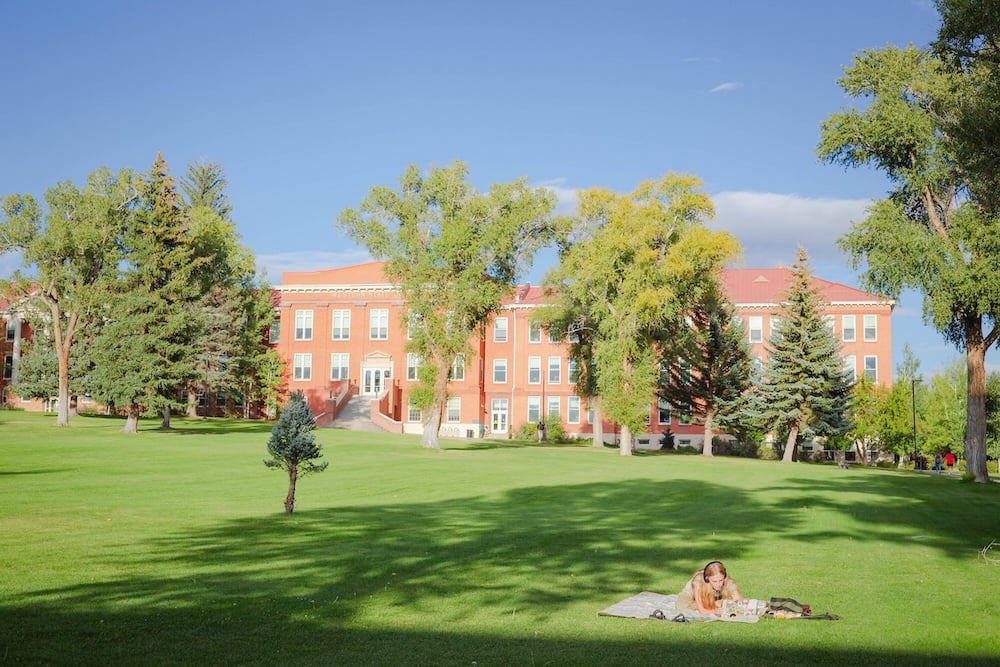
Visit Campus Before You Decide
Campus visits often answer questions that websites and brochures can’t.
Even if two schools seem similar online, visiting in person can change your perspective. It’s difficult to fully understand a college’s atmosphere, campus culture, and sense of community without experiencing it firsthand.
During a visit:
- Sit in on a class
- Meet professors or advisors
- Talk to current students
- Explore residence halls
- Walk around campus
Notice how you feel while you’re on campus. Can you see yourself living there? Does the environment feel comfortable, welcoming, and engaging?
At many universities, including Western, campus visits give prospective students the opportunity to learn more about academic programs, financial aid, student life, and experiential learning opportunities directly from faculty, staff, and current students.
Visiting campus can also help you evaluate factors that are difficult to assess online, such as class sizes, campus culture, student interactions, and the overall learning environment.
If you’re comparing multiple schools, a campus visit can often provide the clarity you need to make a confident college decision much faster than hours of online research.
Questions to Ask Before Choosing a College
As your decision becomes more final, it can help to step back and ask yourself a few broader questions. While academics, cost, and career outcomes are important, choosing a college is also about finding a place where you can see yourself growing, succeeding, and feeling at home.
Ask yourself:
- Can I see myself here for four years?
- Can I realistically afford this school?
- Will this school support my goals?
- Do I feel comfortable and welcome here?
- Can I explore if my interests change?
Sometimes students focus so much on rankings or prestige that they forget about personal fit. A college that matches your learning style, financial needs, interests, and long-term goals will often provide a better experience than one chosen solely for its reputation.
As you compare colleges, remember that the best college for you is the one that offers the right combination of academic opportunities, affordability, support, and community. Finding the right college fit can help set you up for success both during college and after graduation.
Choosing a college is a big decision.
An admissions counselor can help you navigate the process, evaluate your options, and find the school that’s the right fit for your academic, personal, and career goals.
FAQs: How to Pick a College
What should I look for when choosing a college?
When choosing a college, consider academic programs, cost, financial aid, campus size, location, career opportunities, student support services, and campus culture. The best college is the one that aligns with your goals, learning style, interests, and budget.
How do I know if a college is the right fit for me?
A college is likely a good fit if you can see yourself succeeding academically, socially, and personally there. Visiting campus, talking with current students, reviewing academic programs, and evaluating costs can help you determine whether a school matches your needs and goals.
What are the most important factors when choosing a college?
The most important factors include academic fit, affordability, career outcomes, campus environment, location, and available support services. While rankings can provide useful information, personal fit often has a greater impact on your overall college experience and success.
How many colleges should I apply to?
Most students apply to a mix of reach, match, and safety schools. While the number varies, many students apply to between five and ten colleges to ensure they have a range of options to consider.
Is it better to attend a large university or a small college?
Neither option is inherently better. Large universities often offer more programs and larger campus communities, while smaller colleges typically provide smaller class sizes, closer faculty relationships, and more personalized support. The best choice depends on your learning style and preferences.
How much should cost influence my college decision?
Cost should be an important factor, but it shouldn’t be the only one. Focus on a school’s net cost after scholarships and financial aid rather than tuition alone. Comparing financial aid packages can help you understand the true cost of attendance.
Should I visit campus before making a decision?
If possible, yes. Campus visits allow you to experience the school’s environment, meet students and faculty, explore campus facilities, and determine whether you can see yourself living and learning there.
What if I don't know what I want to major in?
Many students start college undecided. Look for schools that offer exploratory programs, academic advising, and the flexibility to explore different majors without delaying graduation. Taking time to discover your interests can help you make a more informed decision about your future.
How can I compare colleges effectively?
One of the best ways to compare colleges is by creating a checklist that includes academic programs, cost, financial aid, campus size, location, career outcomes, and student life. Looking at schools side by side can make it easier to identify which college best fits your goals and priorities.
Do college rankings matter?
College rankings can be helpful, but they shouldn’t be the only factor in your decision. A school’s academic offerings, affordability, support services, campus culture, and overall fit are often more important than its position on a ranking list.
Related Stories