Skip to Main Content
Students are scattered on the floor of a classroom working on collage posters during the GPCW summer residency

Graduate Program in Creative Writing: Screenwriting

The Concept & The Pitch

Screenwriting: The Concept & The Pitch

Screenwriters need more than a great script. They need to know how to communicate an idea, develop a compelling concept, and confidently pitch their work to the people who can help bring it to life.

Within Western’s MFA in Screenwriting, students spend an entire 16-week course developing the art and business of pitching through The Concept & The Pitch.

This gives students the opportunity to move from an initial idea to an industry-ready pitch for a feature screenplay or television series, while developing the confidence and communication skills to pitch their work in a variety of professional settings.

A person with curly hair speaks at a podium in front of a projection screen displaying text.

Why is Pitching so Important for Screenwriters?

Pitching isn’t simply about selling a finished screenplay. For screenwriters, it is a creative and professional skill that can shape a project from its earliest idea through development to its eventual path into the industry.

Before a screenplay is written, screenwriters often need to communicate the core idea of a story and explain what makes it compelling. Developing a pitch forces writers to identify the heart of their concept, understand their characters, and clarify what makes their story distinctive. In many cases, the pitching process can reveal new possibilities for a project and help a writer discover what is working, what is missing, and what needs to change.

Pitching is also the continuous thread throughout a screenwriter’s career. Writers may pitch an original concept to a producer, present a take on existing intellectual property, pitch themselves for a writing opportunity, apply to a fellowship or writing lab, contribute an idea in a writers’ room, or seek support for an independent project.

In other words, screenwriters aren’t only writing stories. They are continually communicating, developing, and advocating for those stories. Learning how to pitch gives writers the tools to articulate their ideas clearly, respond to questions, and confidently share their creative vision with the people who can help bring it to life.

While many MFA programs may offer a workshop or brief introduction to pitching, Western dedicates an entire 16-week course to developing this essential screenwriting skill.

16 Weeks: From Idea to Industry-Ready Pitch

Students graduate with a 15-minute verbal pitch and accompanying visual pitch deck for a feature screenplay or television pilot.

A professor sits at a table with her screenwriting students and engages in discussion during a class for the GPCW residency.

Weeks 1-8: Ideation Development

During the first eight weeks, students develop new story concepts through weekly exercises, pitch ideas in class, and explore the different types of pitches used throughout the screenwriting and entertainment industries. They also learn how to analyze professional pitches, follow industry trends, and identify the essential elements and structure of a successful pitch through presentations from faculty and industry guests.

Content Card Image

Weeks 8-16: Pitch Preparation

During the final eight weeks, students select a project, often their thesis screenplay or television pilot, and develop a complete pitch section by section through workshops and feedback from faculty and classmates. Students create a visual pitch deck, refine their verbal presentation, practice their delivery, and ultimately present a polished 15-minute pitch at the GPCW Summer Residency.

More than a Screenplay

Beyond writing a compelling story, screenwriters need to communicate ideas clearly, understand the business of the industry, and confidently advocate for their work.

Through The Concept & The Pitch, students develop these skills to turn their ideas into compelling, clearly communicated pitches while discovering their own unique pitching voice and style:

  • Understand terminology associated with different types and stages of pitching
  • Research industry news and trends
  • Deliver an effective elevator pitch
  • Pitch original and adapted concepts
  • Develop a one-sheet
  • Create a visual pitch deck
  • Deliver a 15-minute pitch for a feature or television project
  • Clearly articulate future project ideas
  • Develop their own pitching voice and style
  • Present their ideas with confidence and clarity
A screenwriting student checks his script with the director of the short film they are making in class on the lawn outside of the Welcome Center
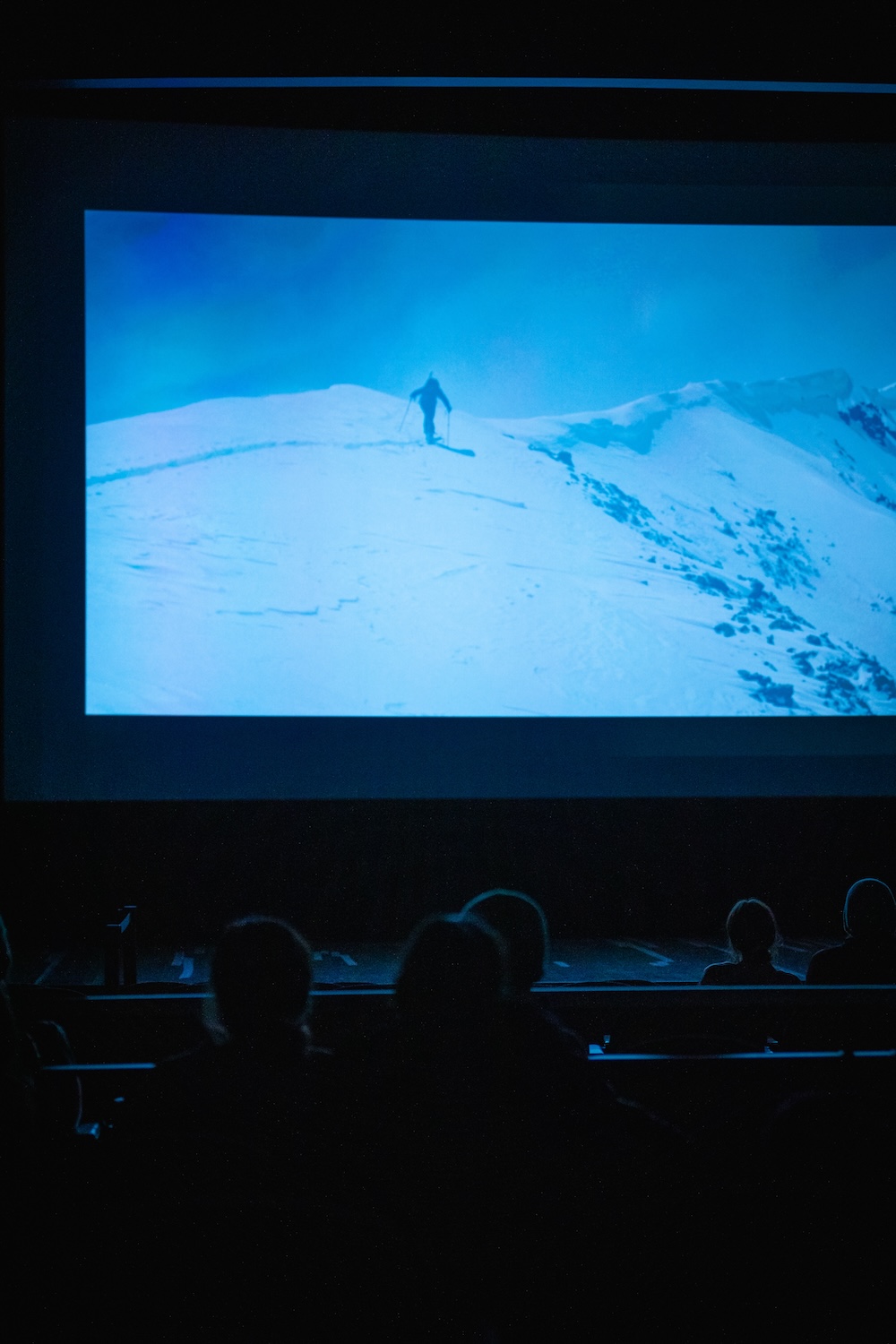
Students in the UC Theater watch the Spirit of the Peaks film. An image of Connor Ryan skinning on a windy ridgeline appears on the screen.

Adapt IP for Film & Television

Much of today’s film and television landscape is built around existing IP (intellectual property). Adapting a novel, character, story, article, or other existing property requires screenwriters to balance the expectations of the original material with the unique storytelling demands of film and television.

At Western, Screenwriting MFA students have the opportunity to develop these adaptation skills by working with intellectual property created by writers in other concentrations within the Graduate Program in Creative Writing. Through this experience, students explore the creative and practical realities of adapting someone else’s work while learning how to make thoughtful choices about what to preserve, what to transform, and what to build for the screen.

The experience also creates opportunities for meaningful collaboration across the GPCW community. Screenwriters can connect with poets, fiction writers, and other creative writers whose work may inspire a future adaptation, while writers across concentrations gain experience seeing their work through a different creative lens. These relationships can become valuable creative partnerships that extend well beyond the classroom.

The MFA in Screenwriting encourages students to explore the genres, ideas, and stories they feel most passionate about, whether that means climate fiction, horror, romance, comedy, or something entirely unexpected. Students are encouraged to think outside the box because, quite frankly, the box doesn’t exist here. At Western, writers have the creative freedom to take risks, follow their curiosity, and develop the stories they genuinely want to tell.

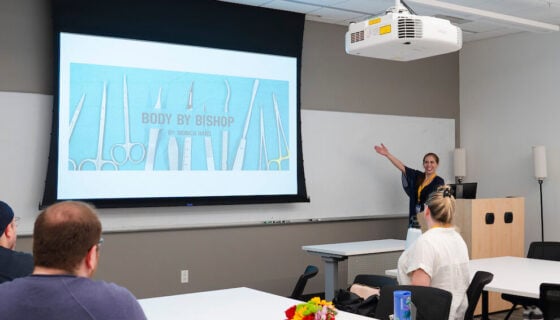
Screenwriting student Monica Hand
Success Spotlight

Monica Hand, Screenwriting Graduate

“When I first heard about The Concept & The Pitch as part of the curriculum, I was equally excited and terrified. Preparing a pitch is hard enough, but getting up and actually pitching is a whole different ballgame. During the semester, Kim broke down the building blocks of a pitch piece by piece. Once we had drafts of our pitches, we had several practice runs, which helped with the nerves.
I chose to use this class as a deep dive into my next script by crafting a pitch for it before actually writing pages. After spending the semester developing this pitch, I knew everything there was to know about my world, my characters, and all the nooks and crannies of the story. That knowledge brought depth and a lived-in feel to my pages when it was time to write.
Presenting my thesis pitch at residency is truly my favorite memory of my time at Western. It was scary, but it also gave me tremendous confidence moving forward as a writer. And because of that experience, I entered the pitch competition at Austin Film Festival this year. I also learned how valuable the ideation process is through this course. And because of the difference I’ve seen it make in my own writing, I am committed to a deep dive through my ideas before jumping into pages for my future scripts.”

Frequently Asked Questions

What is a screenwriting pitch?

A screenwriting pitch is a concise, compelling presentation of a film or television idea that communicates the story, characters, world, and creative vision. A pitch can take many forms, from a quick elevator pitch to a full presentation for producers, studios, or networks, and learning to pitch helps screenwriters clearly articulate why their story is worth telling.

How do you pitch a screenplay?

A strong screenplay pitch clearly communicates the heart of your story, including its premise, characters, conflict, world, and what makes the project unique. In Western’s MFA in Screenwriting, you’ll learn how to develop and deliver a compelling pitch, create supporting materials like a visual pitch deck or one-sheet, and find your own confident, authentic pitching voice.

How long should a screenplay pitch be?

At Western, MFA in Screenwriting students learn how to develop and deliver a polished 15-minute pitch for a feature screenplay or television project, preparing them for a variety of professional pitching opportunities.

What should my screenplay be about?

Your screenplay can be about whatever you’re passionate about. Western’s MFA in Screenwriting encourages students to explore the genres, ideas, and stories that excite them, from climate fiction and horror to romance, comedy, and everything in between.

Do other screenwriting MFA programs teach pitching?

Many programs introduce pitching through workshops or individual assignments. Western’s MFA in Screenwriting uniquely dedicates an entire 16-week course to the development of pitching skills.

Can I use my thesis project for my pitch?

Yes. In fact, students are encouraged to use their thesis screenplay or television pilot as the foundation for their full pitch. Throughout the second half of The Concept & The Pitch, you’ll develop your project section by section, workshop it with faculty and classmates, create a visual pitch deck, and practice your delivery.

More from the GPCW

Books laid out in display on a table.

Earn an MFA or MA in Screenwriting

Whether you’re ready to develop your first screenplay, take your writing to the next level, or turn an idea into a story for the screen, Western’s MFA and MA in Screenwriting give you the space, mentorship, and creative freedom to find your voice. Reach out to learn more about the program or start your application today.