MyWestern
 Academic Calendar
 Bookstore
 University Catalog
 Athletic & Recreational Venues
 MyWestern
 Academic Help
 Library
 Health & Wellness
 Campus Map
 Events

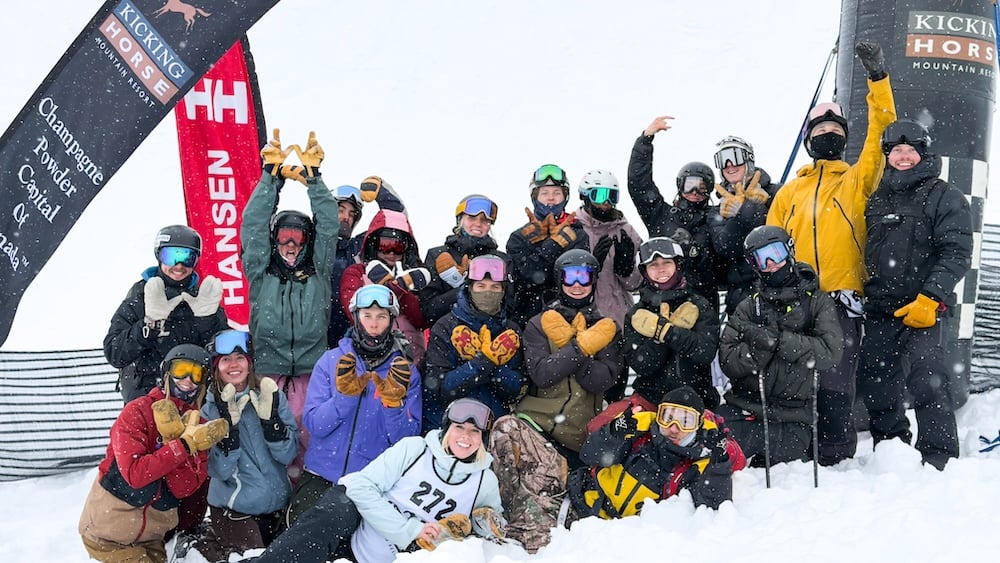
When the International Olympic Committee announced last week that freeride skiing and snowboarding would make their Olympic debut at the 2030 Winter Games, it shot a jolt of excitement through Western Colorado University’s Mountain Sports Program.
For Andrew Kunze, head coach of Western’s Freeride Team, it meant the sport he’s devoted years of his life to had finally hit the mainstream. But more than that, it validated years of work building one of the nation’s few university-supported freeride programs and opens new possibilities for the next generation of skiers.
“This is a huge opportunity to bring more structure to the program and create a more well-rounded experience for our athletes,” Kunze said. “The opportunities are there now, and I want to make sure we’re giving students everything they need to take it as far as they want to go.”
While freeride may be new to the Olympic program, Western’s commitment to the sport is not.
The University’s freeride team traces its roots to 2009, when students sought University support to travel together to competitions after Western discontinued its NCAA alpine and Nordic ski teams. That eventually snowballed, and by 2012, students had formed what is now Western’s Mountain Sports Program.
Today, freeride is one of seven disciplines supported by Western’s Mountain Sports, alongside alpine skiing, Nordic skiing, mountain biking, trail running, climbing, and ski mountaineering.
With around 45 athletes, Western’s freeride team is one of the Mountain Sports Program’s largest teams. Last season, at least part of the team traveled to nearly a dozen competitions across Colorado, Utah, Wyoming, New Mexico, and British Columbia, giving athletes opportunities to earn points toward qualification for the Freeride Challenger Series and, ultimately, the Freeride World Tour.
With freeride’s addition to the Olympic program, six of Western’s seven Mountain Sports disciplines have now either appeared in the Olympic Games or are on their way. Western alum Cam Smith was half of the two-person American team that competed in Ski Mountaineering’s debut at the 2026 Winter Games, while trail running is being considered as a candidate for future Summer Olympics.
“We’ve taken what is essentially a varsity athletics model and applied it to sports that traditionally haven’t had that kind of institutional support,” said Kevin Geisen, Western’s Director of Campus Recreation. “There are other programs that have pieces of what we offer, but bringing these sports together under one umbrella with professional coaching, travel support, and year-round development is something that’s still very uncommon.”
That support has helped Western’s athletes compete at the professional level.
Several former Mountaineers have advanced to the Freeride World Tour, the sport’s highest level of international competition, while Western athletes have consistently qualified for the Challenger Series. As competition worldwide has intensified, just reaching that level has gotten more difficult.
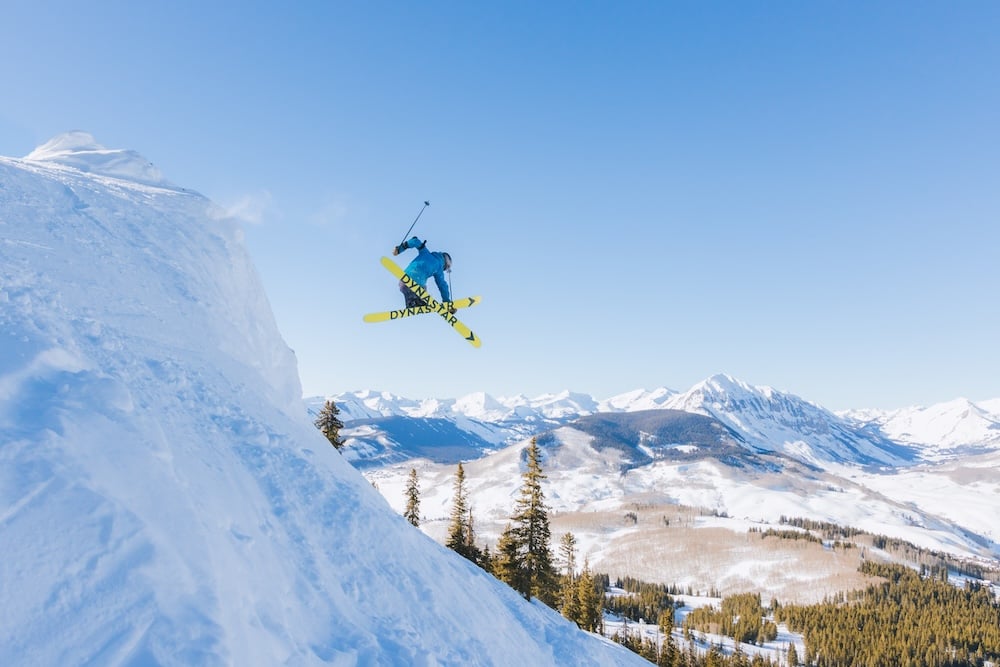
The program’s location also plays an important role in its success. Situated just down the road from Crested Butte Mountain Resort and surrounded by some of Colorado’s most sought-after terrain, Western gives athletes daily access to the kind of terrain and culture that have pushed the sport to where it is today.
For Assistant Director of Campus Recreation for Mountain Sports, Kieran Nay, that reflects something larger than athletics.
“It’s not just about going and competing against each other. You’re going out with this group of competitors, but you’re also on the mountain, and the mountain is an active part of that experience,” Nay said. “And there’s something that I think is really bonding about not just getting through that as competitors, but being like, ‘I’m glad you made it down.’”
As freeride gains worldwide exposure in the Olympics, coaches expect the industry surrounding the sport to grow alongside it, creating new opportunities in coaching, athlete development, sponsorships, media, equipment design, event management, and in the outdoor industry at large.
Until now, only a small number of elite athletes have been able to build full-time careers in freeride. Olympic recognition is expected to expand that ecosystem, creating more professional pathways for athletes who excel in the sport.
For Western, those developments reinforce a direction the University, and the community around it, chose years ago.
“When you look at how small this valley is and the people who can trace their story back here, it is hugely overrepresented at the elite level of these sports, which is really cool,” Nay said. “The Gunnison Valley is a tiny, obscure place that really punches above its weight in terms of the distribution of elite athletes that come out of it. It’s like there’s something in the water. It’s pretty awesome.”
Interested in Mountain Sports?
Take your athletic journey to the next level. In Mountain Sports, you’ll train with expert coaches, build confidence, and compete in world-class terrain that pushes you to grow as an athlete and a leader.
Related Stories