Skip to Main Content
Forests, Fires & Fuels

Address wildfire challenges across western landscapes.

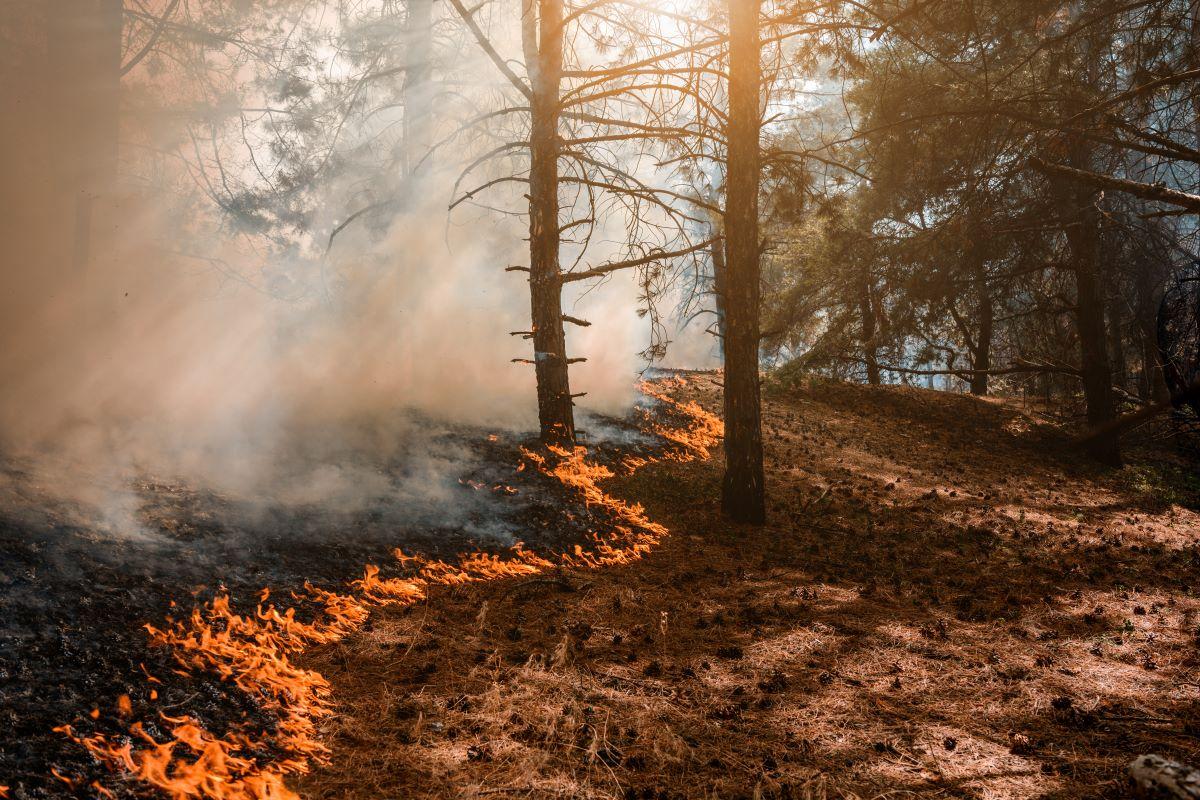
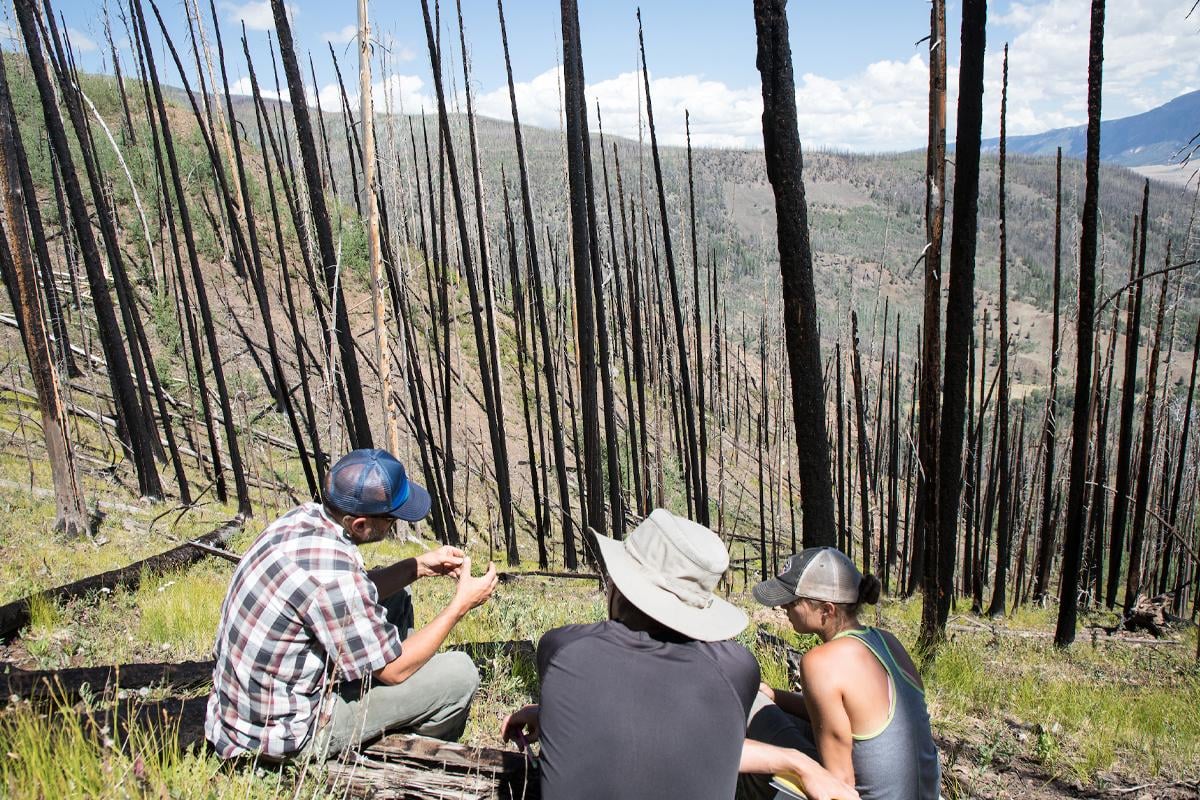
The Forests, Fires, & Fuels Certificate is a 14-credit graduate program designed to help professionals address the growing challenges of wildfire across western landscapes. Through interdisciplinary coursework, students examine the relationships between forest ecosystems, wildfire behavior, and land management strategies that reduce risk while supporting healthy, resilient forests. Topics include fire ecology, forest restoration, fuels management, and collaborative approaches to wildfire mitigation and community preparedness.

Offered as part of the Master of Environmental Management (MEM) and MS in Ecology or as a standalone graduate certificate, the program prepares professionals working in forestry, public land management, conservation, and wildfire resilience initiatives. Using case studies and examples from across the American West, students develop the knowledge and practical tools needed to support proactive wildfire management and strengthen the resilience of both ecosystems and communities.

Why get a Forest, Fires, & Fuels Certificate?
Who is this certificate for?

Build Forest Resilience

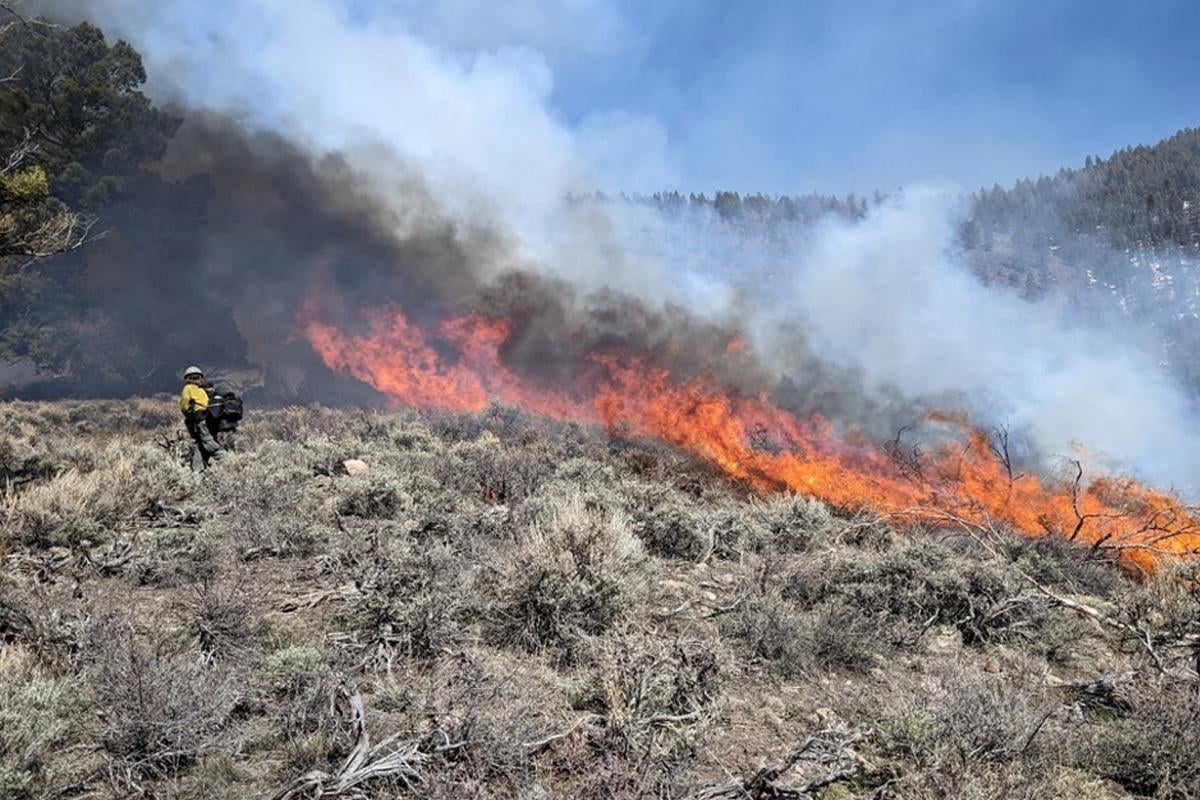
Earning the Forests, Fires, & Fuels Certificate equips professionals with the knowledge and skills to address one of the West’s most pressing environmental challenges: wildfire. The program teaches students how to understand fire ecology, manage forest fuels, and restore landscapes while balancing ecological health and community safety. Through case studies and applied learning, students gain practical strategies for reducing wildfire risk and enhancing forest resilience. Graduates leave prepared to implement proactive land management practices, support community preparedness, and contribute to healthier, more resilient forest ecosystems.

Forestry and Wildfire Professionals

The Forests, Fires, & Fuels Certificate is ideal for professionals looking to deepen their expertise in wildfire management and forest resilience. It provides the skills and knowledge needed to address wildfire risk while supporting healthy ecosystems and community preparedness. This certificate is designed for professionals working in:

  • Forestry and wildfire management
  • Public land agencies
  • Community wildfire resilience initiatives
  • Conservation and restoration organizations

Graduates of the certificate are prepared to apply these skills in a variety of professional settings, helping to reduce wildfire risk, restore landscapes, and promote resilient forests and communities.
Admissions, Cost & Requirements

Admissions
Tuition & Costs
Program Requirements

Master in Environmental Management Certificate Application Requirements

Applications will be holistically reviewed by certificate faculty to ensure appropriate placement and student success based on past achievement and potential. Entry into the program will mirror the Master of Environmental Management admissions process, with both fall and spring semester entry possible. A baccalaureate degree in environmental science, natural resource management, or a related field from an accredited college or university, with a minimum undergraduate GPA of 3.0 on a 4.0 scale or appropriate work experience and background required.

Submit:

• Official undergraduate or graduate transcript
• A resume or CV
• One-page professional intentions statement outlining student goals and experiences


Master in Environmental Management Certificate Tuition & Costs

Period Credits Tuition per Credit Fees per Credit Hour* Flat Fees** Total Tuition & Fees
Year 1: Fall 7 $847 $73.40 $50 $6,492.80
Year 1 Spring 7 $847 $73.40 $6,442.80
$12,935.60

*Mandatory graduate student fees per credit hour
Graduate Studies Administrative Operations Fee: $63.00
Library Fee: $6.50
IT Services Fee: $3.90

**Mandatory graduate student flat fees
New Student Matriculation Fee: $50.00

Certificate

A certificate is a shorter program focusing on a specific field of expertise rather than an entire course of study. It does not result in a degree, but it can be completed alongside your major or as a stand-alone credential. Certificates are a great way to enhance your knowledge, strengthen your resume, and gain practical experience in a particular field.

1

Top Skills

Fire Ecology and Behavior
Fuels Management
Forest Restoration Techniques
Wildfire Mitigation Planning
Community Resilience Strategies
Collaborative Land Management

2

Career Pathways

Forestry Manager
Wildfire Mitigation Specialist
Public Land Manager
Conservation Project Coordinator
Environmental Consultant
Fire Ecologist

Fellowships, Scholarships & Financial Aid

How to Apply

We are so excited about your interest in applying to the Forests, Fires & Fuels Certificate! Please take a moment to review the requirements and deadlines before accessing the application.

Faculty & Staff

Master in Environmental Management

Contact Information

Mountain Graphic