Skip to Main Content
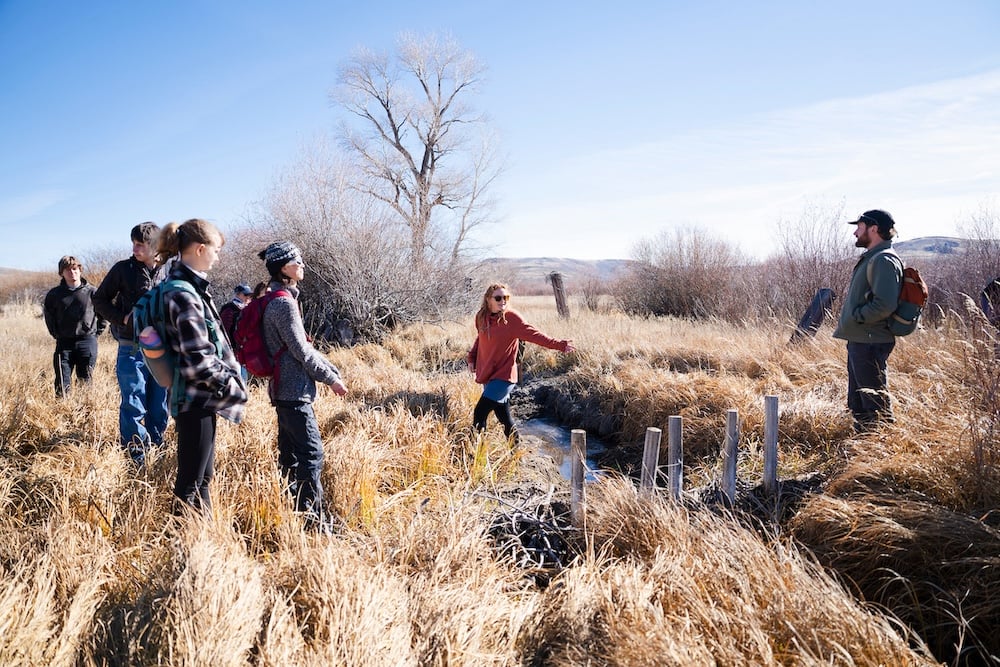
Students examine a Beaver Dam Analog structure during a stream restoration workshop for the 2025 Headwaters Conference.

Land stewardship through interdisciplinary environmental management practices.

The Integrative Land Management Certificate is a 14-credit graduate program that prepares students to navigate the ecological, social, and economic complexities of modern land stewardship. Through interdisciplinary coursework, students explore ecological processes, land-use planning, natural resource policy, and collaborative management strategies that support sustainable and balanced land management. The program emphasizes practical decision-making in landscapes where conservation, agriculture, recreation, and development intersect.

Offered as part of the Master of Environmental Management (MEM) or as a standalone graduate certificate, the program builds the skills needed to address real-world land management challenges. Using Western’s place-based learning approach, students gain experience applying integrative strategies that balance ecological integrity, economic use, and community priorities across diverse landscapes.

Why get the Integrative Land Management Certificate?
Who is the Integrative Land Management Certificate for?
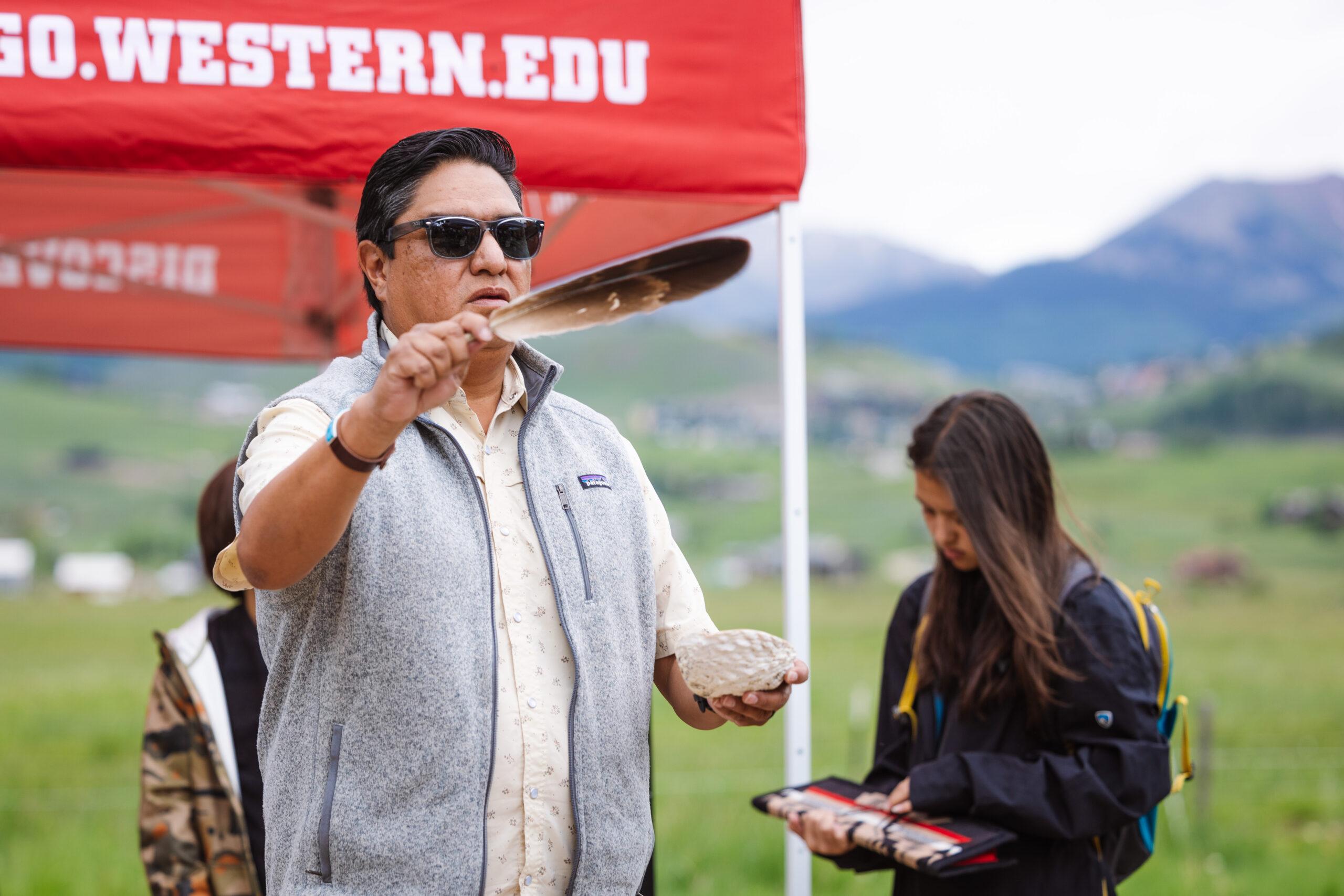
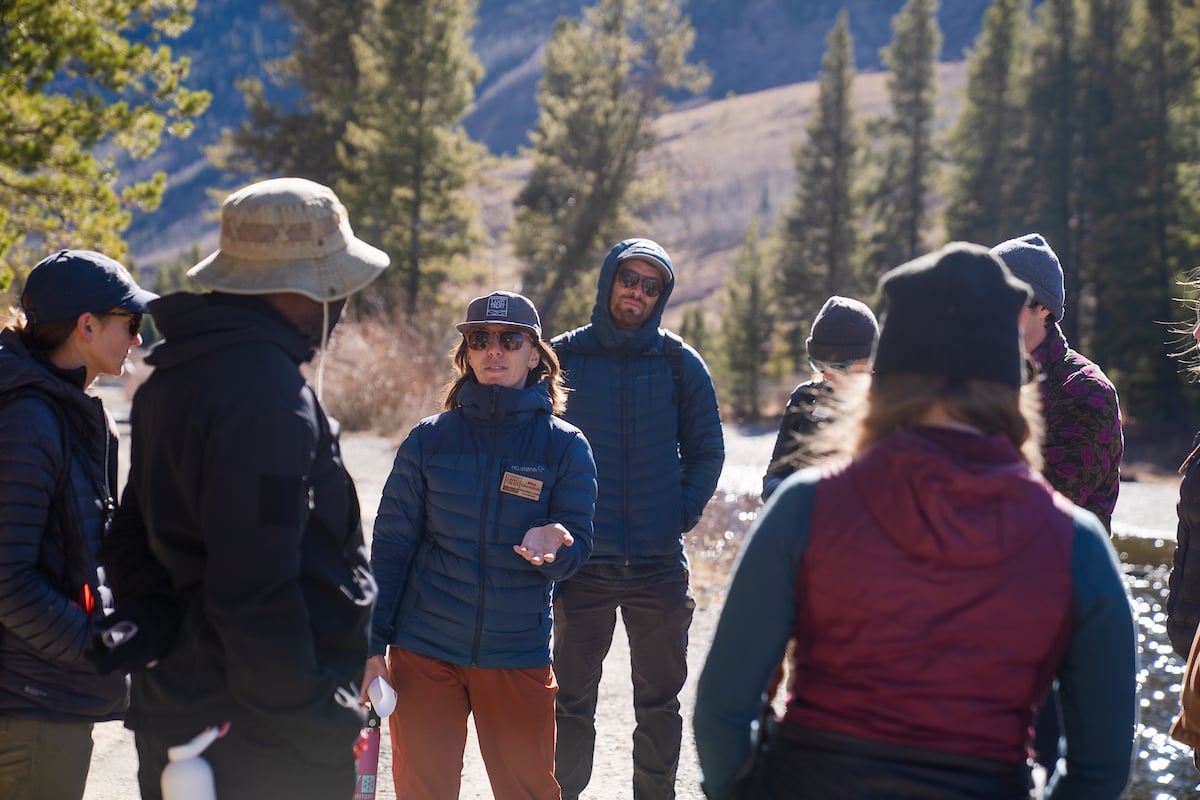
Mars Charlebois speaks to MEM students and alumni about the Crested Butte Land Trust in the Gunsight Bridge area of Crested Butte, Colorado.

Support Both Environmental Health and Community Needs

Earning the Integrative Land Management Certificate helps professionals develop the perspective needed to make better decisions about how land is used, protected, and shared. Across the West and beyond, landscapes are increasingly shaped by competing demands—from conservation and recreation to agriculture and development. This certificate prepares students to navigate those competing priorities and make informed choices that support both environmental health and community needs.

Offered as a 14-credit graduate certificate within the Master of Environmental Management (MEM) or as a standalone credential, the program is designed for people who want to lead more thoughtful, collaborative approaches to land stewardship. Graduates gain the interdisciplinary mindset needed to work across sectors, bring diverse stakeholders together, and support land management solutions that are sustainable for both ecosystems and the communities that depend on them.

Professionals in Land Management, Land Trusts, Environmental Consulting, and More

The Integrative Land Management Certificate is designed for professionals and emerging leaders working in land stewardship, conservation, and natural resource management. It is especially valuable for individuals who must navigate multiple land uses, collaborate with diverse stakeholders, and make informed decisions about the long-term health of landscapes.
This certificate is particularly valuable for professionals working in:

  • Public land management agencies
  • Conservation organizations
  • Land trusts and watershed groups
  • Environmental consulting

The program supports those seeking to strengthen their ability to manage complex landscapes while balancing environmental, economic, and community needs.

Admissions, Cost & Requirements

Admissions
Tuition & Costs
Program Requirements

Master in Environmental Management Certificate Application Requirements

Applications will be holistically reviewed by certificate faculty to ensure appropriate placement and student success based on past achievement and potential. Entry into the program will mirror the Master of Environmental Management admissions process, with both fall and spring semester entry possible. A baccalaureate degree in environmental science, natural resource management, or a related field from an accredited college or university, with a minimum undergraduate GPA of 3.0 on a 4.0 scale or appropriate work experience and background required.

Submit:

• Official undergraduate or graduate transcript
• A resume or CV
• One-page professional intentions statement outlining student goals and experiences


Master in Environmental Management Certificate Tuition & Costs

Period Credits Tuition per Credit Fees per Credit Hour* Flat Fees** Total Tuition & Fees
Year 1: Fall 7 $847 $73.40 $50 $6,492.80
Year 1 Spring 7 $847 $73.40 $6,442.80
$12,935.60

*Mandatory graduate student fees per credit hour
Graduate Studies Administrative Operations Fee: $63.00
Library Fee: $6.50
IT Services Fee: $3.90

**Mandatory graduate student flat fees
New Student Matriculation Fee: $50.00

Certificate

A certificate is a shorter program focusing on a specific field of expertise rather than an entire course of study. It does not result in a degree, but it can be completed alongside your major or as a stand-alone credential. Certificates are a great way to enhance your knowledge, strengthen your resume, and gain practical experience in a particular field.

Experiential Learning

1

Top Skills

Integrative Land-Use Planning
Natural Resource Policy Analysis
Stakeholder Collaboration and Facilitation
Landscape-Level Decision Making
Ecosystem Management and Restoration
Conflict Resolution in Land Management

2

Career Pathways

Public Lands Manager
Conservation Program Manager
Land Trust Stewardship Manager
Environmental Consultant
Natural Resource Planner
Watershed Coordinator

Explore Alumni Careers

Fellowships, Scholarships & Financial Aid

“I really enjoy the amazing access to public lands so close to town, and it allows me to experience the outdoors every chance I get."
Gabby Zaldumbide
Gabby Zaldumbide

How to Apply

We are so excited about your interest in applying to the Integrative Land Management Certificate! Please take a moment to review the requirements and deadlines before accessing the application.

Faculty & Staff

Master in Environmental Management

Contact Information

Mountain Graphic