Skip to Main Content
WCU - Nature Writing - Hero

Nature Writing – Creative Writing

Part of: Graduate Program in Creative Writing, School of Graduate Studies

Offered as: Master's Concentration

Degree: Master of Arts or Master of Fine Arts in Creative Writing

Related Areas of Study: Environment & Sustainability with Master of Fine Arts in Creative Writing, English with Master of Fine Arts in Creative Writing

Part of: Graduate Program in Creative Writing, School of Graduate Studies

Offered as: Master's Concentration

Degree: Master of Arts or Master of Fine Arts in Creative Writing

Related Areas of Study: Environment & Sustainability with Master of Fine Arts in Creative Writing, English with Master of Fine Arts in Creative Writing

A voice with the land, a heart for justice.

As one of five concentrations in Western’s Graduate Program in Creative Writing, our Nature Writing track provides a supportive literary home for writers who care deeply about environmental justice, social equity, and the world of contemporary place-based writing. We believe that stories have the power to protect what we love, and we offer a welcoming environment where your passion for the natural world becomes a force for positive change.

Designed for working professionals, our low-residency program provides invaluable mentorship and community within a rigorous but flexible curriculum. You will explore a diverse range of styles—from memoir and personal essay to poetry and experimental fiction—guided by mentors who share your commitment to the planet. Whether you choose the one-year MA or the two-year MFA terminal degree, you will join a community of writers dedicated to giving the earth a voice.

What makes Nature Writing unique?
What can I expect?
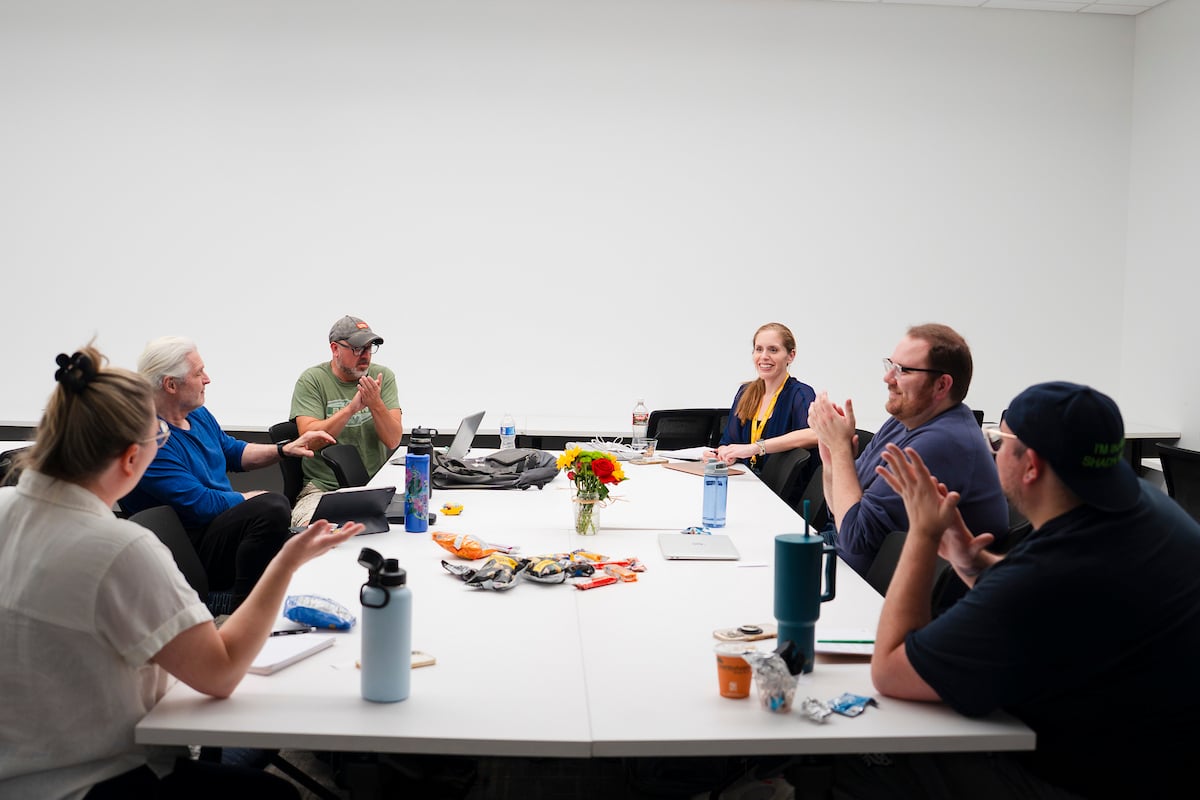
Nature Writing students and faculty gather in a circle at the Lower Loop Trailhead.

The Art of Witness.

Our program is founded on the core belief that writing can be an agent of change and that creativity engenders solutions to our most pressing environmental and social challenges. We view writing not simply as a craft, but as a vital catalyst for the protection of our natural world and the advancement of justice.

  • Writing as Advocacy: We empower you to use your passion as a force for positive change, exploring how literature can move from the page into real-world action.
  • An Ethically-Alert Curriculum: This cutting-edge program dives deep into contemporary ecological writing, with a sharp focus on environmental and social justice.
  • Creative Versatility: While you focus on your genre of choice, we explore essential subgenres through both traditional and experimental forms, helping you find the exact shape your message needs to take.
  • A Supportive Community of Change-Makers: You will join a welcoming environment where diverse authors and styles are celebrated, and where your commitment to the planet is met with expert mentorship.

Whether you are writing a memoir of the land or an experimental piece on ecology, we provide the supportive community you need to turn your observations into impact

A Community of Environmental Advocacy

Our Nature Writing program is a journey of deep immersion into the relationship between the written word and the living world. Over the course of your MA or MFA, you will transition from observation to impactful expression, guided by mentors who are leading voices in the field.

Guided by Masters of the Craft

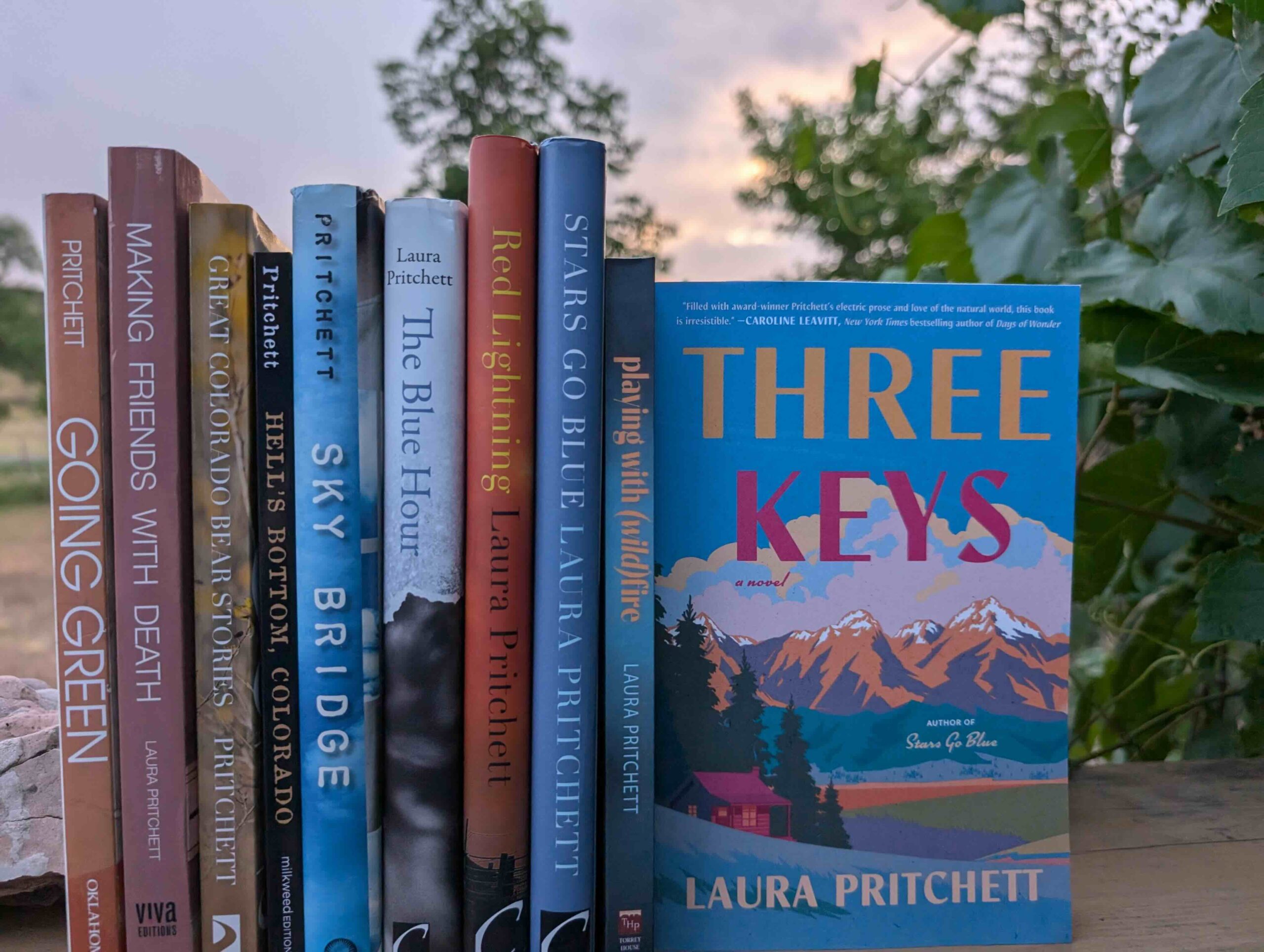
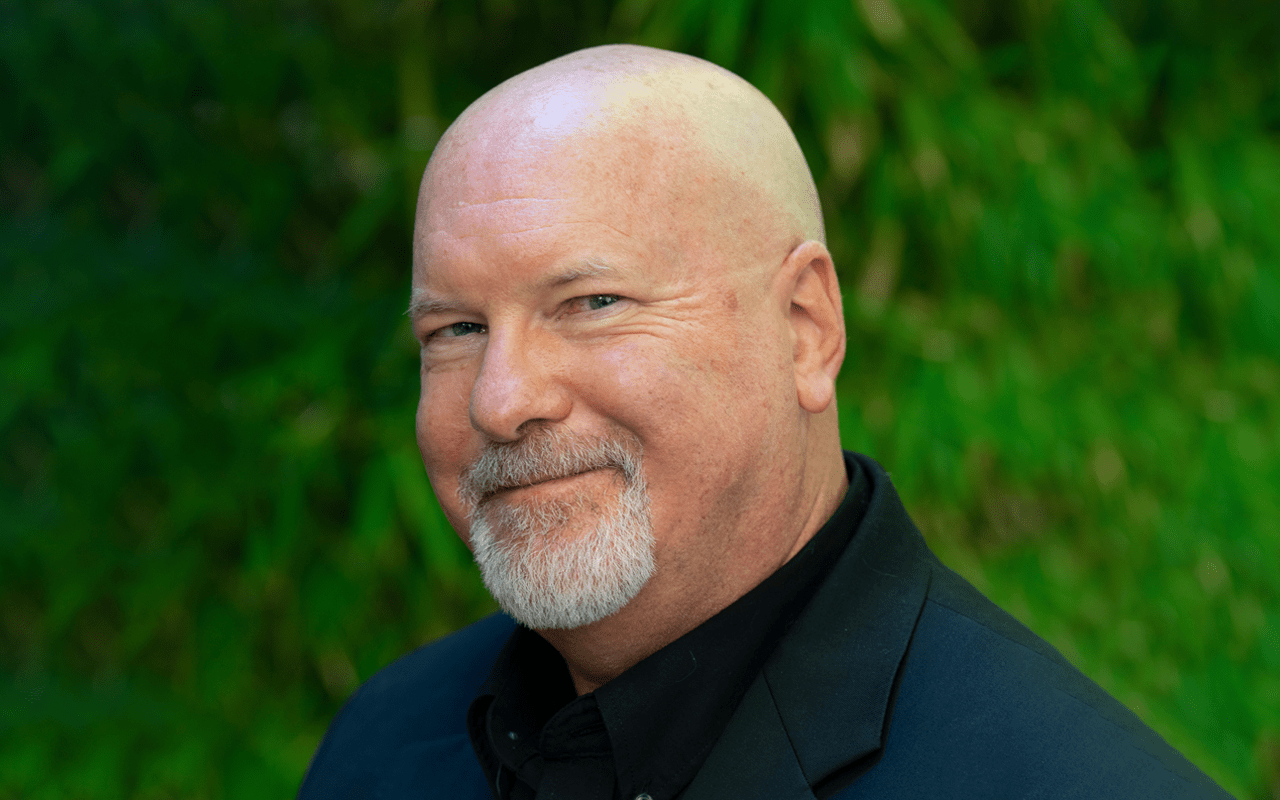
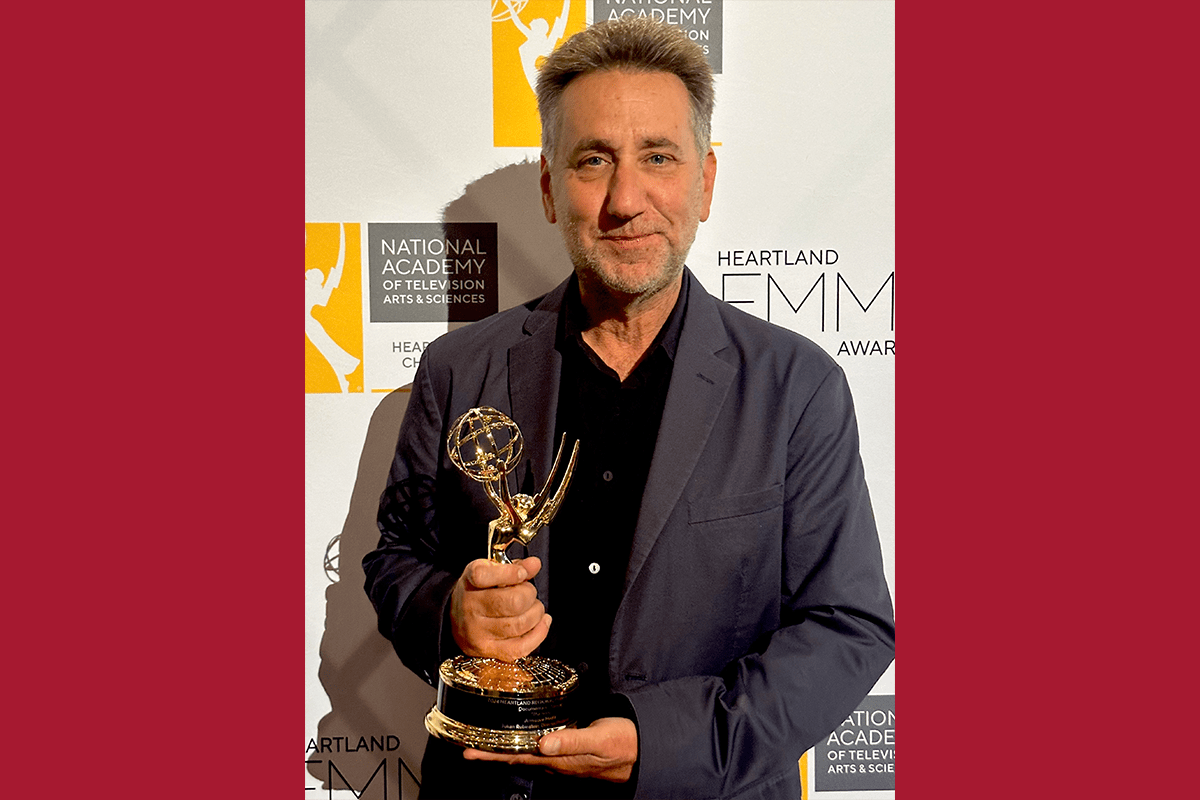
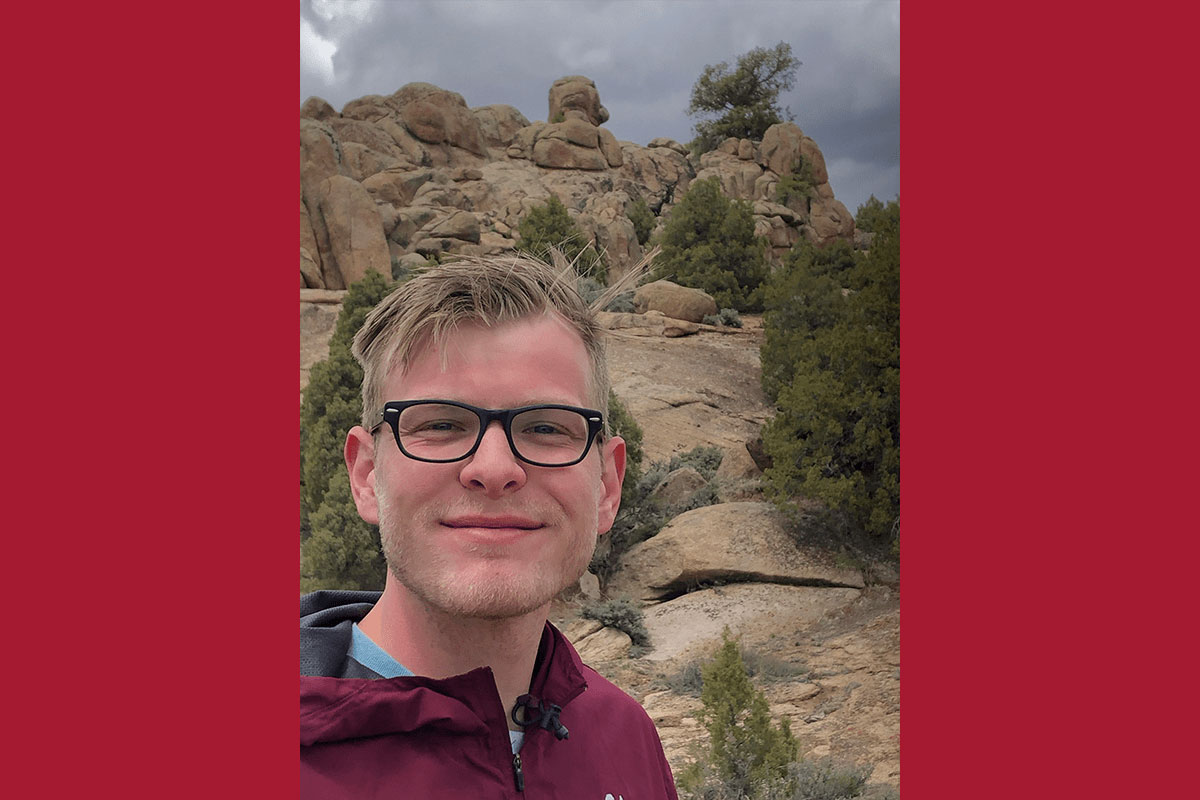
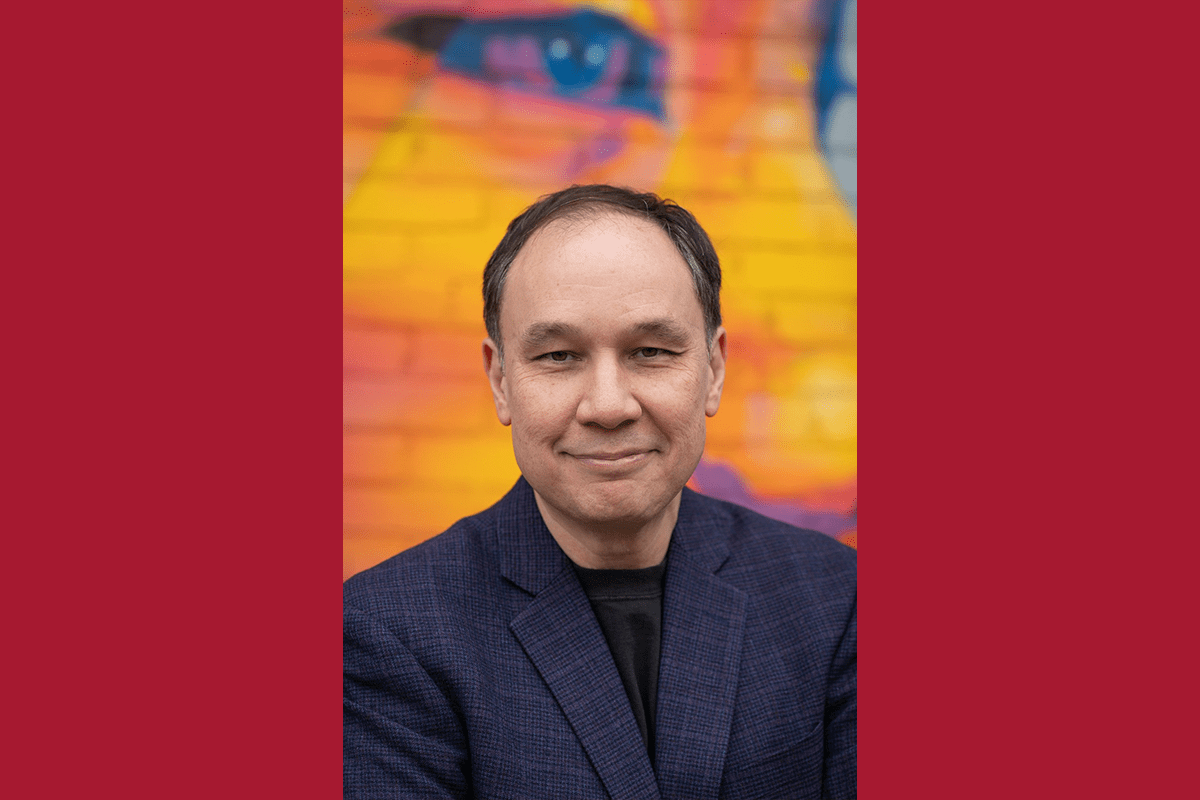
You will learn under the direction of award-winning writer and Concentration Director Laura Pritchett. Our faculty represents a diverse range of voices across fiction, nonfiction, and poetry, including Karen Auvinen, Claire Boyles, Laura Resau, Ana Maria Spagna, Erica Reid, Stephen Coughlin, and Maya Jewell Zeller. This team, along with incredible guest speakers, provides the high-level mentorship needed to refine your vision.

Your Professional and Creative Path

  • A Flexible, Low-Residency Model: Our program is built for working professionals, combining live virtual classes with intensive summer residencies in the heart of the Colorado Rockies.
  • Genre Fluidity: While you focus on your primary genre, you will be exposed to a diverse range of authors and styles, covering essential forms such as memoir, personal essay, fiction, poetry, and experimental writing.
  • The Summer Residency: Each June, you will join a supportive community of change-makers in Gunnison. These residencies provide the space to workshop your work, attend craft lessons, and forge the creative bonds that sustain a writing life.
  • Real-World Impact: Throughout your studies, you will learn how to turn your passion for environmental and social justice into a force for positive change, graduating with a body of work that serves as a catalyst for a more just and sustainable world.

Admissions, Cost & Requirements

MFA Admissions
MA Admissions
Tuition & Costs
Program Requirements

Joining Our Community: MFA Admissions & Requirements

We welcome applications for the Master of Fine Arts on a rolling basis from August 1 through May 31. Because our cohorts are small and highly personalized, we recommend applying early to secure your spot for our June start date. You can expect a decision from us within four weeks of completing your application.

What You’ll Need to Apply

  • A Bachelor’s Degree: Official transcripts from an accredited college (a 3.0 GPA is recommended).
  • A Personal Statement: A 1,000-word reflection on your experience, your commitment to the writing life, and why Western is the right home for your goals.
  • Two Professional Recommendations: Letters from mentors or colleagues who can speak to your readiness for graduate-level craft.
  • A Writing Sample: This is your chance to share your voice with us. Requirements vary by concentration:
    • Poetry: 10–15 pages.
    • Nature Writing: 20–25 pages (any genre or mix).
    • Genre Fiction: 20–25 pages.
    • Screenwriting: 15–30 pages of a screenplay or short film script.

Our Approach to Admission

We believe in potential. If you don’t meet every requirement for full admission, you may be considered for Provisional Admission, giving you the space and time (up to one year) to complete any necessary prerequisites while beginning your journey with us.

Transfer Credits

International Students

Joining Our Community: MA Admissions & Requirements

We welcome applications for the Master of Arts on a rolling basis from August 1 through May 31. Because we focus on small cohorts and high-level mentorship, we recommend applying early to secure your spot for our June start date. You will receive an admissions decision within four weeks of completing your application.

What You’ll Need to Apply

  • A Bachelor’s Degree: Official transcripts from an accredited college (a 3.0 GPA is recommended).
  • A Personal Statement: A 1,000-word reflection on your writing experience, your commitment to the craft, and how Western can help you reach your professional goals.
  • Two Professional Recommendations: Letters from individuals who can speak to your readiness for graduate-level work.
  • A Writing Sample: This is our first look at your voice. Please follow the guidelines for your chosen concentration:
    • Poetry: 10–15 single-spaced pages.
    • Nature Writing: 20–25 pages (any creative genre or a mix).
    • Genre Fiction: 20–25 pages (ideally from a single work).
    • Screenwriting: 15–30 pages of a screenplay.
    • Publishing: A 3- to 5-page critical assessment of a provided story.

Our Approach to Admission

We look for potential and dedication. If you don’t meet every requirement for full admission, you may be considered for Provisional Admission. This path allows you up to one year to complete any necessary prerequisites as you begin your journey with our faculty and community.

Transfer Credits

International Students

Investing in Your Writing Life

We believe in transparency when it comes to the cost of your education. Our low-residency model is designed to be accessible, allowing you to maintain your professional life while you pursue your degree. Tuition is billed by the credit hour, allowing you to manage your investment as you progress through the program.

Tuition & Program Value

  • Tuition: $749.60 per credit hour.
  • Standard Graduate Fees: $73.40 per credit hour (includes administrative operations, library, and IT services).
  • One-Time Matriculation Fee: $50.00. Applies once to new students in their first fall semester.
  • Summer Residency Fee: $600.00 (charged only during the summers you attend the residency in Gunnison).

Program Totals at a Glance

  • Master of Arts (MA): A focused 15-month journey totaling 30 credits. The estimated total for tuition and fees is $25,940.00.
  • Master of Fine Arts (MFA): A deep 27-month immersion totaling 60 credits. The estimated total for tuition and fees is $51,230.00.

All tuition and fees are subject to change, and any updates will be announced prior to the summer term.

For both the MA and MFA programs, students have a maximum of five years for completion of a master’s degree from initial enrollment as a graduate degree seeking student. In order to maintain active status, graduate students must register in at least one graduate course per academic year. 

The Master’s Experience: A Path to Your Professional Goals

A graduate degree is a transformative step that deepens your specialized knowledge and refines your artistic practice. At Western, your chosen concentration allows you to shape your expertise through high-level coursework, culminating in a final project or thesis that serves as a cornerstone for your long-term writing life.

Whether you seek the one-year MA for focused professional development or the two-year MFA terminal degree for university-level teaching and deep craft exploration, our program is built to support your unique journey.

Explore Your Program Path:

  • MA Program Requirements: A streamlined, one-year path to professional growth.
  • MA Degree Plan: View the course sequence tailored to your concentration.
  • MFA Program Requirements: The two-year terminal degree path for a deeper dive into craft and pedagogy.
  • MFA Degree Plan: Map out your journey toward a publishable thesis.

Flexibility for Your Schedule

Both the MA and MFA programs are designed for flexibility. While many students follow the full-time track, you have the option to attend half-time or take a leave of absence if life requires it. You have up to five years from your initial enrollment to complete your degree.

How to Apply

We’re excited about your interest in applying to the Graduate Program in Creative Writing with a concentration in Nature Writing! Before starting your application, please take a moment to review the requirements and deadlines. If you have any questions, don’t hesitate to reach out. We’re happy to help.

Scholarships & Financial Aid

We are committed to ensuring that our community remains diverse, inclusive, and accessible to writers from all walks of life. To support this mission, we offer:

The GPCW, and the Nature Writing concentration specifically, was a safe space where we could be genuine and vulnerable, free to explore our creativity in ways that surprised us while strengthening our skills in a variety of genres. I made lifelong friendships with fellow writers whose opinions I trust.

Anita Mumm, MFA

Nature Writing – Creative Writing
Anita Mumm

Experiential Learning

1

Top Skills

Advocacy & Persuasive Writing
Research & Field Observation
Editing & Proofreading
Pedagogy & Teaching
Communication & Public Speaking

2

Career Pathways

Environmental Advocate & Consultant
Post-Secondary Educator
Nature Journalist & Essayist
Nonprofit Director.
Published Author
Communications Director

Faculty & Staff

Graduate Program in Creative Writing

Contact Information

Contact Location

Western Colorado University
Quigley Hall 117
1 Western Way
Gunnison, CO 81231

Mountain Graphic