Skip to Main Content
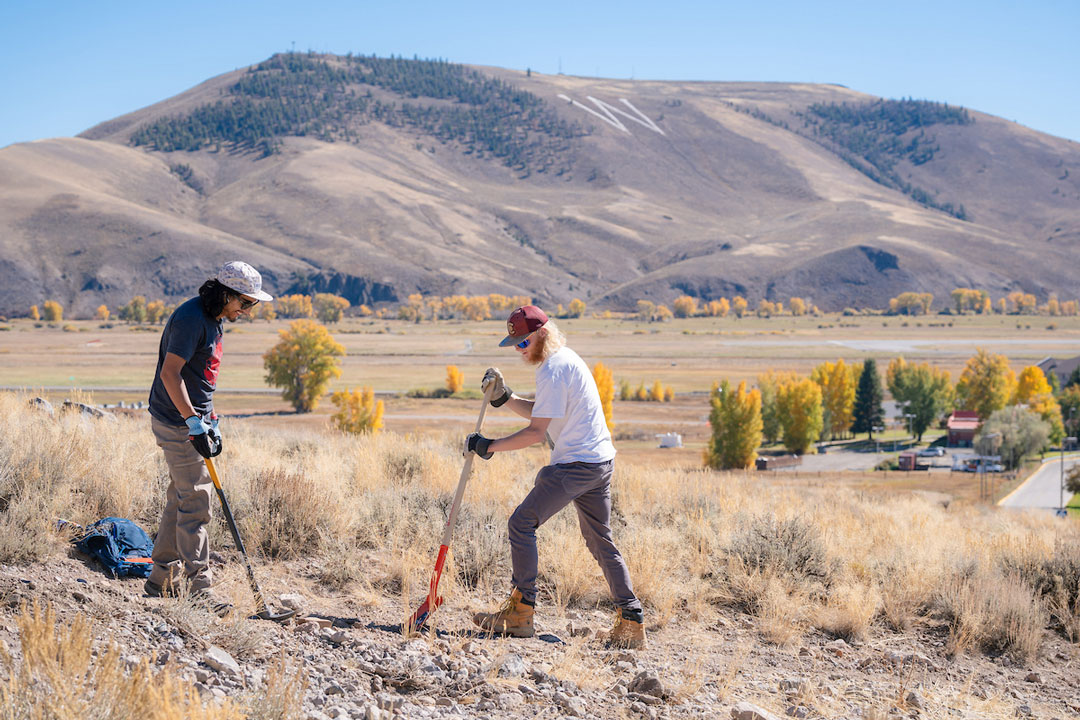
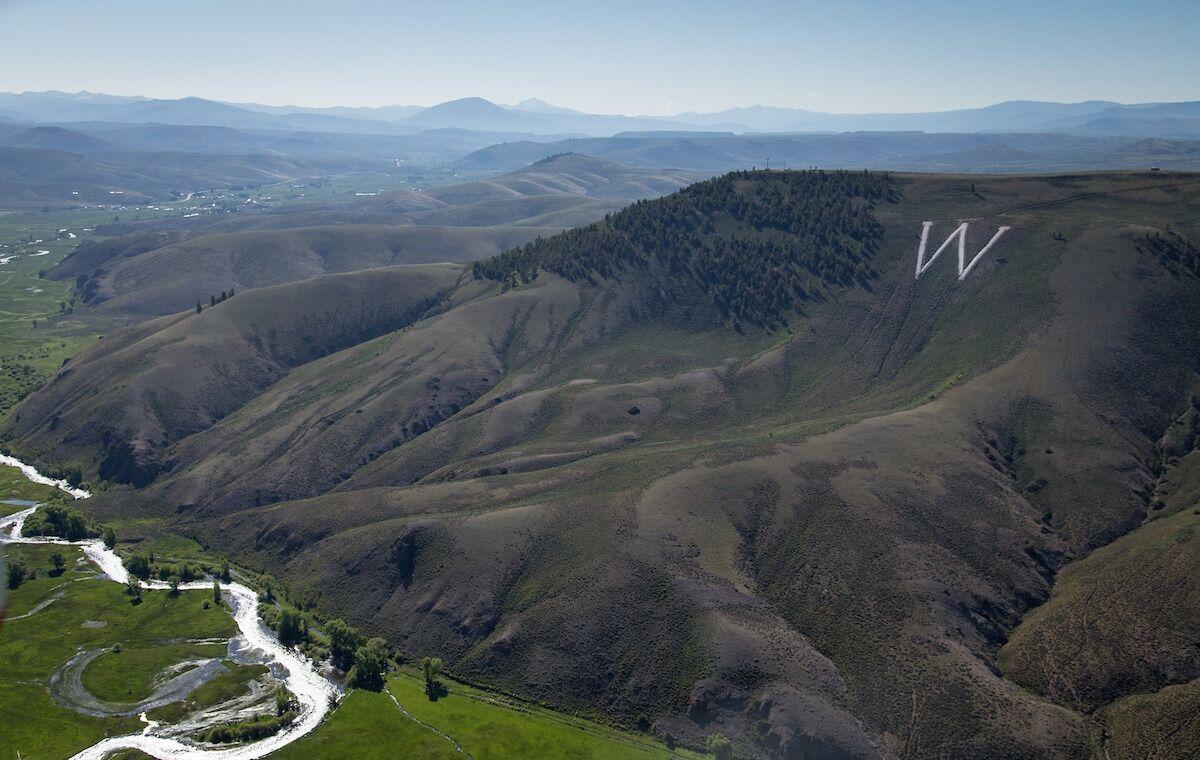
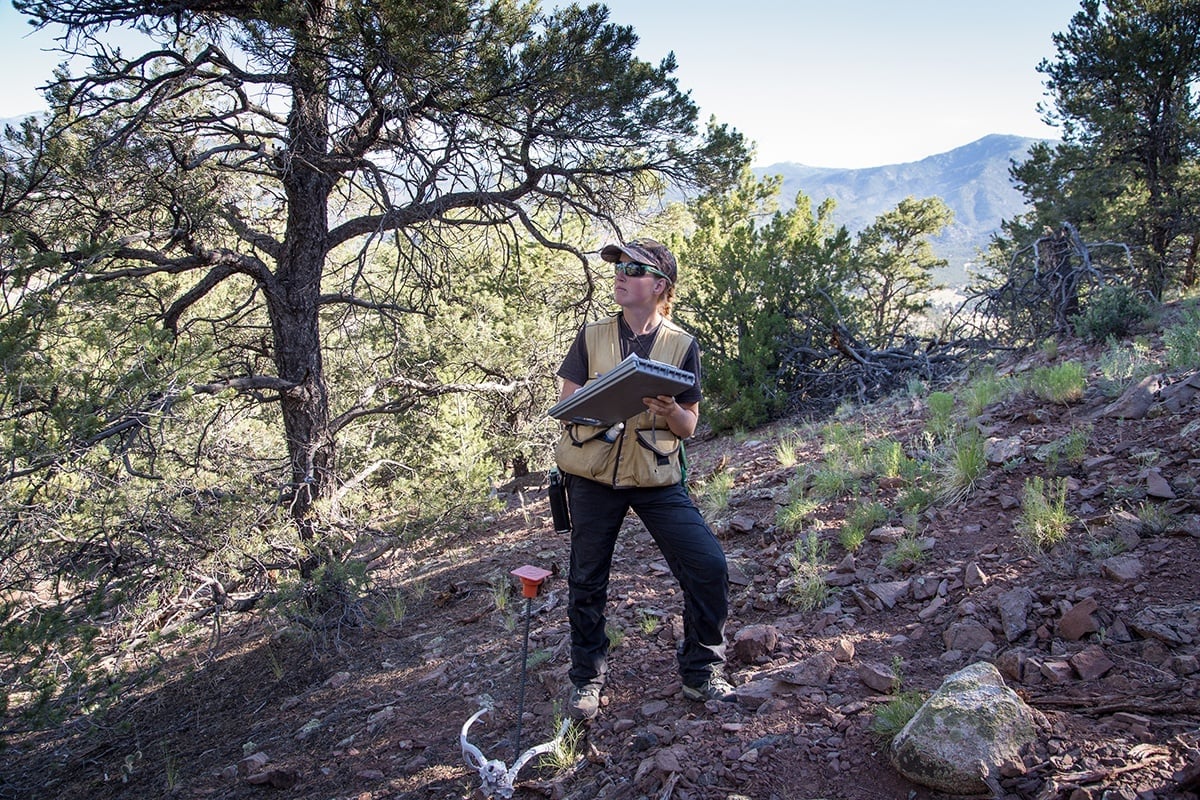
2 students dig a hole for a sagebrush transplant with w mountain in the background

Strengthening communities through environmental stewardship.

The 14-credit Resilient Communities Certificate prepares students to tackle the pressing challenges of climate change, urban development, and environmental stewardship. Through an interdisciplinary approach, this program blends environmental science, policy, economics, and community planning to equip students with the tools to design solutions that promote community sustainability and resilience. Students will gain hands-on experience and a deep understanding of how to create sustainable infrastructure, enhance resource management, and build adaptive strategies for the future.
Why earn the Community Resilience Certificate?
Who is the Community Resilience Certificate for?
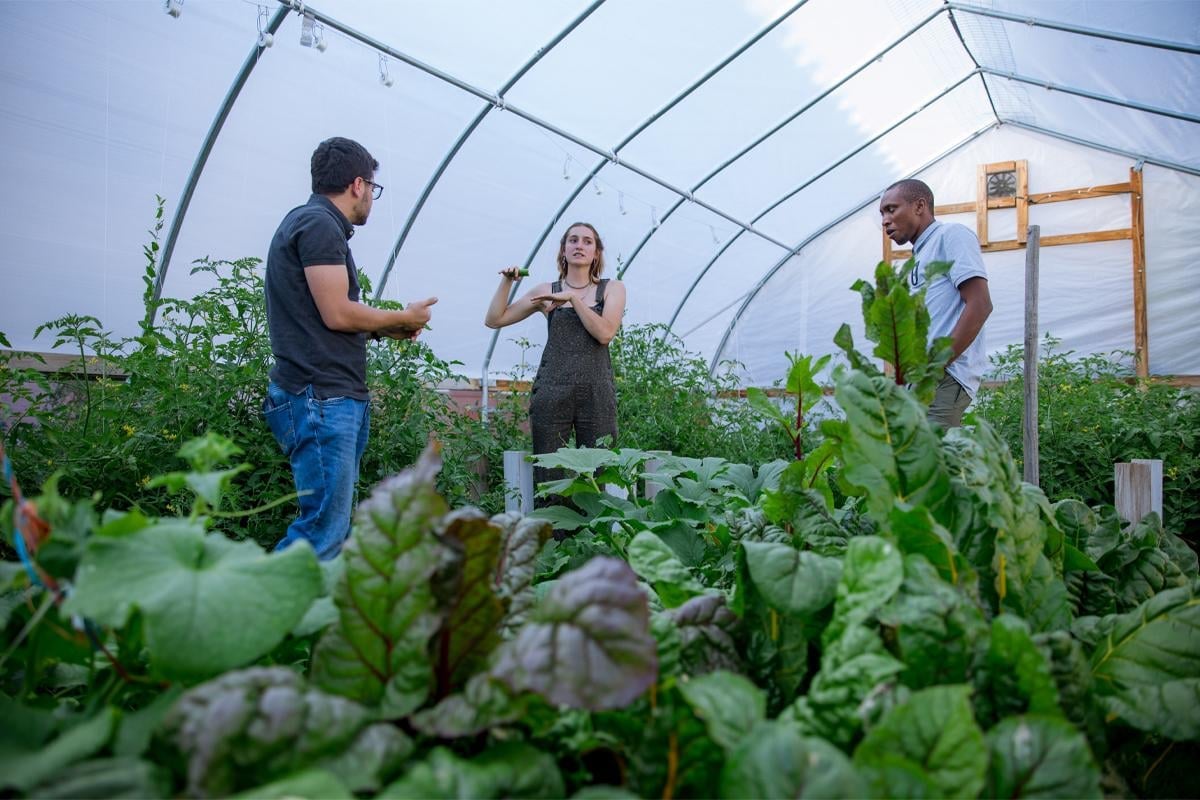
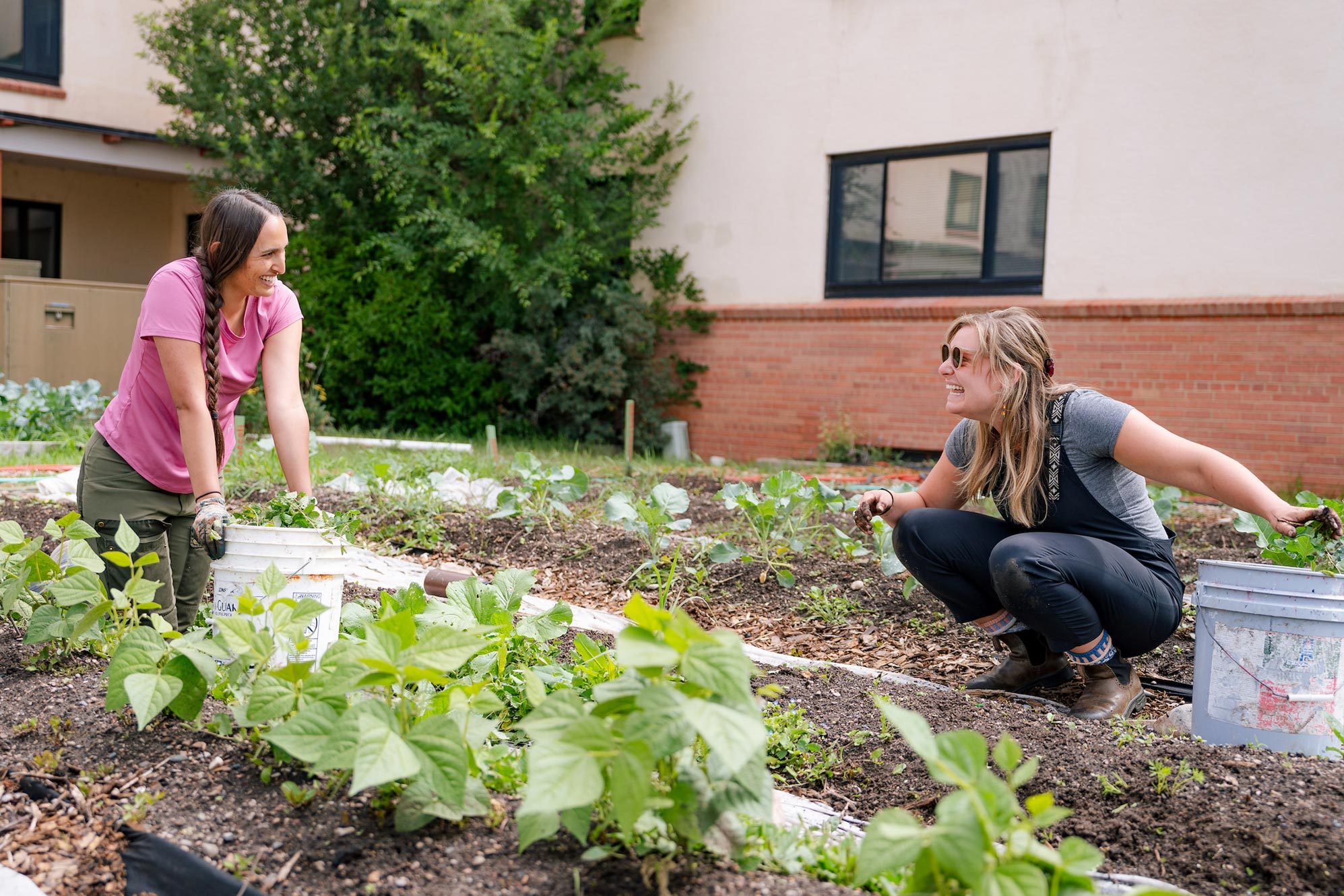
Two MEM students smile at each other as they weed the Chipeta Garden.

Help Communities Grow with their Landscapes

Communities across the world face growing environmental and social pressures from climate change and natural hazards to housing, water, and economic transitions. The Community Resilience Certificate equips students with the interdisciplinary tools needed to help communities adapt, plan, and thrive in the face of change. 

Students explore topics such as environmental justice, collaborative governance, climate adaptation, and systems thinking. Through applied coursework and case studies, participants learn how to engage stakeholders, evaluate policy options, and design strategies that strengthen the long-term resilience of communities and landscapes. 

Professionals Working in the Government, Non-Profit, and Environmental Sectors

The Community Resilience Certificate is designed for professionals and emerging leaders who want to help communities navigate environmental, economic, and social change. It is particularly valuable for individuals working at the intersection of environmental management, public policy, and community planning who want to build stronger, more adaptable communities.

This certificate is ideal for professionals working in:

  • Local and regional government
  • Nonprofit and community organizations
  • Climate adaptation and planning
  • Environmental policy, education, and advocacy

Graduates gain practical skills for facilitating collaboration, managing complex stakeholder processes, and developing resilient solutions for environmental and social challenges.

Experiential Learning

Admissions, Cost & Requirements

Admissions
Tuition & Costs
Program Requirements

Master in Environmental Management Certificate Application Requirements

Applications will be holistically reviewed by certificate faculty to ensure appropriate placement and student success based on past achievement and potential. Entry into the program will mirror the Master of Environmental Management admissions process, with both fall and spring semester entry possible. A baccalaureate degree in environmental science, natural resource management, or a related field from an accredited college or university, with a minimum undergraduate GPA of 3.0 on a 4.0 scale or appropriate work experience and background required.

Submit:

• Official undergraduate or graduate transcript
• A resume or CV
• One-page professional intentions statement outlining student goals and experiences


Master in Environmental Management Certificate Tuition & Costs

Period Credits Tuition per Credit Fees per Credit Hour* Flat Fees** Total Tuition & Fees
Year 1: Fall 7 $847 $73.40 $50 $6,492.80
Year 1 Spring 7 $847 $73.40 $6,442.80
$12,935.60

*Mandatory graduate student fees per credit hour
Graduate Studies Administrative Operations Fee: $63.00
Library Fee: $6.50
IT Services Fee: $3.90

**Mandatory graduate student flat fees
New Student Matriculation Fee: $50.00

Certificate

A certificate is a shorter program focusing on a specific field of expertise rather than an entire course of study. It does not result in a degree, but it can be completed alongside your major or as a stand-alone credential. Certificates are a great way to enhance your knowledge, strengthen your resume, and gain practical experience in a particular field.

1

Top Skills

Business Development
Communications
Environmental Engineering
Environmental Policy
Information System
Operations Management

2

Career Pathways

Biofuels Production Manager
Chief Sustainability Officer
Conservation Scientist
Environmental Economist
Fish & Game Warden
Range Manager

Explore Alumni Careers

Fellowships, Scholarships & Financial Aid

"Lindsey Lunsford's work towards a healthier community contributes to the rural south's reclamation of the "Carver Way of Life," impacting the health of many communities."
Lindsey Lunsford
Lindsey Lunsford

How to Appy

We are so excited about your interest in applying to the Community Resilience Certificate! Please take a moment to review the requirements and deadlines before accessing the application.

Faculty & Staff

Master in Environmental Management

Contact Information

Mountain Graphic