MyWestern
 Academic Calendar
 Bookstore
 University Catalog
 Athletic & Recreational Venues
 MyWestern
 Academic Help
 Library
 Health & Wellness
 Campus Map
 Events

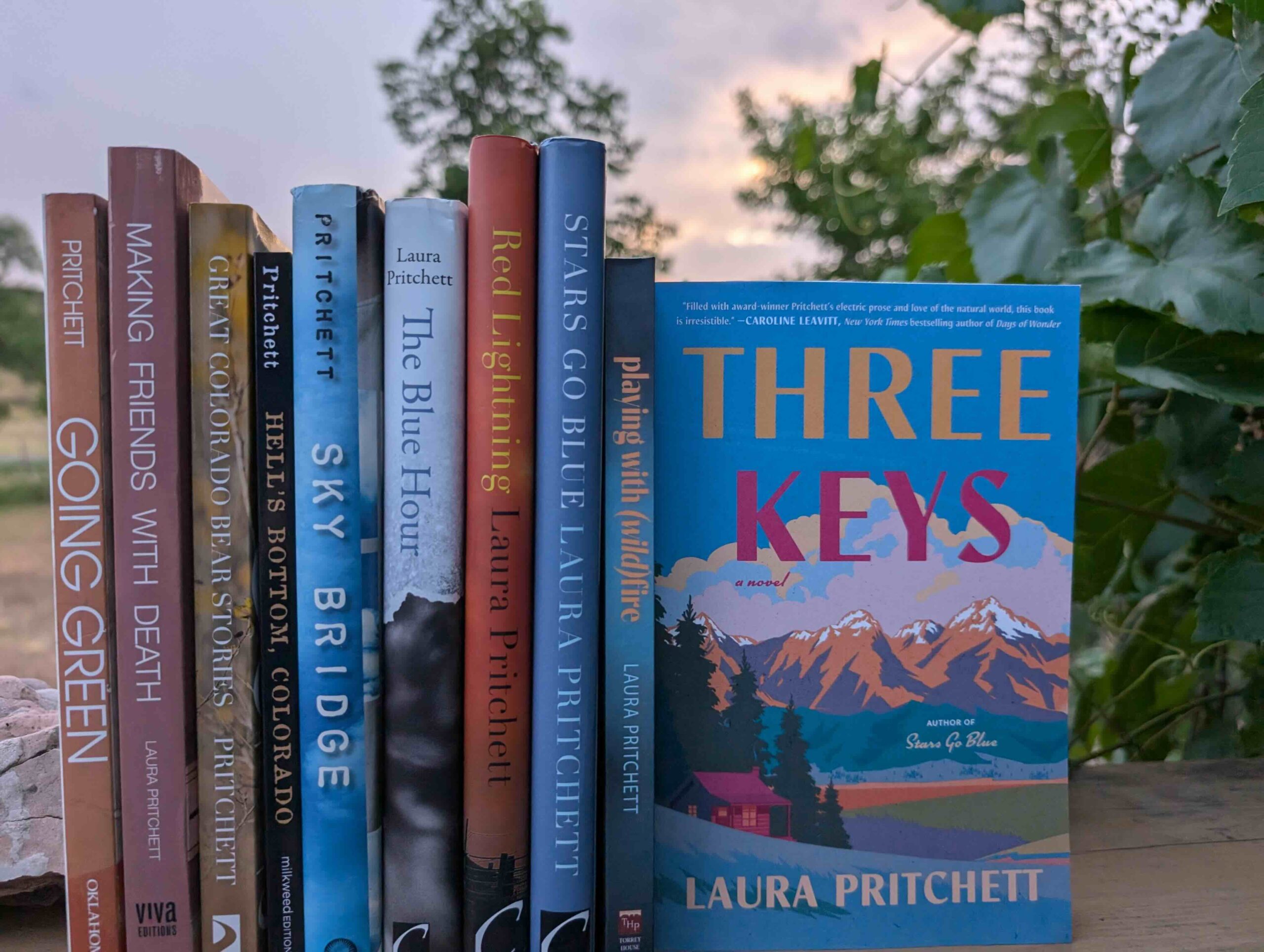
What “Nature Writing” Means Now: New paradigm shifts in America’s oldest writing tradition — and a unique program at Western Colorado University
From seven to nine in the morning, I’m a nature-loving novelist. Our sweet planet shows up in setting, in plot, and is the well-source of most metaphor. The rest of the day, I direct the MFA in Nature Writing at Western Colorado University, one of the few in the United States with such a focus. My home is packed full of contemporary place-based writing—it’s just what I dig, both in writing and in teaching.
Nature. Writing. Those words get contested a lot, and not a day goes by that I’m not questioned about them, either by prospective students or by friends or readers. Some think it old-fashioned and dead, or they think we’re just talking about Emerson and Thoreau, and others have convoluted replacement phrases. Me, I am sticking with “nature writing,” because “nature” is an encompassing word for the natural world, of which humans are a part, and black squiggly marks that constitute writing is what we are doing. On top of that, one could argue that Nature Writing is American’s one unique contribution to the literary canon. True, there’s been a long tradition of celebratory place-focused poetry and prose across the globe for a very long time, but it’s been reasonably argued that it became a bonafide recognizable genre with the famous foundational authors—Emerson, Thoreau, Muir. And as many have rightly pointed out, wonderful female writers who didn’t get their due: Rachel Carson, Willa Cather, Mari Sandoz, Susan Fenimore Cooper, all of whom did some heavy lifting in the scaffolding of this genre.
To my mind, nature writing is a unique field, and uniquely American, and best of all, it has evolved tremendously into the sassy and vibrant field we have today. The field now includes (thankfully, at long last) the inclusion and celebration of underrepresented voices and places. It also includes works are being collaboratively written and experimentally written—that is to say, the form has become new and fresh. Another recent shift that I see is that the voice is new, in that writings are both more urgent and more brave. The vibe is stronger, more intense, more laser-focused, particularly in the ways authors speak to social and environmental justice.
The other major change? Simply that the field is exploding. The sheer number of environment or nature-based titles makes my heart sing—after all, many of us consider planetary fate as a top priority, one needing our attention in novels, memoirs, and poems. And these books are making a difference in our politics, our policies, and in our souls. Whether fiction, nonfiction, or poetry, a book that makes the final cut to my syllabus is one that pushes the conversation forward. The themes and ideas are driven by enormous existential questions about the fate of life or the planet itself. Somehow, the work poses some questions about what we’re doing right or wrong for this one blue spinning ball floating through space. Planet Earth—and the way we exist in relationality to her—are front-and-centered, and good and relevant and brave questions are being asked.
My syllabi include cli-fi and realistic fiction, literary and upmarket, memoir and reportage, ecopoetry, and just poetry. And the approach varies too: Celebration or advocacy. Delight or deep ecogrief. Investigative or informative.
I believe that from devastation comes renovation, from grief comes change. We are writing the stories that help us through this urgent time. After all, necessity is the mother of invention—and we are finding it necessary, I think, to find new ways to live on Planet Earth. Some of these new paths forward will be found via stronger relationality with nature, inspired by the world’s spunky field of Nature Writing.
This excerpt is part of a longer article published in Writer’s Digest:
Writer’s Digest, “What Nature Writing Means Now”
Meet the Expert
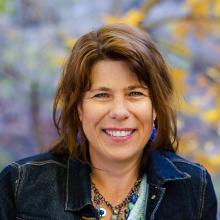
Laura Pritchett
Nature Writing Concentration Director
Laura Pritchett, PhD, directs the MFA in Nature Writing at Western Colorado University. She’s the author of seven novels, which are all rooted in the…
MA or MFA in Creative Writing
Our low-residency MA and MFA degrees invite you to immerse yourself fully in the craft, working closely with faculty and fellow writers to develop your voice, refine your skills, and build a lasting literary career.
Related Stories