MyWestern
 Academic Calendar
 Bookstore
 University Catalog
 Athletic & Recreational Venues
 MyWestern
 Academic Help
 Library
 Health & Wellness
 Campus Map
 Events

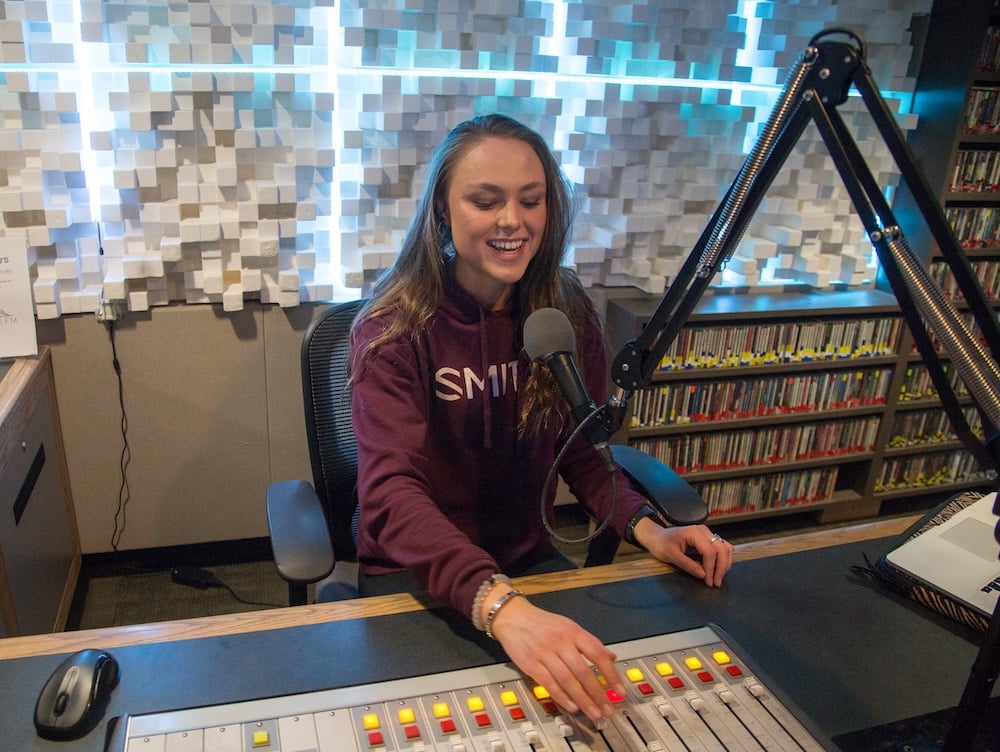
For nearly 57 years, KWSB 91.1 FM “The Penguin” has broadcast Western Colorado University students’ voices, music, and Mountaineer sports across the Gunnison Valley. During that time, the station has given thousands of students the chance to sit down at a microphone, speak to a live audience, and change the trajectory of their careers.
But, as Bob Dylan has crooned countless times over those same airwaves, ‘the times, they are a-changin’.’
This spring, Western will transition KWSB away from its FM broadcast to a streaming-only digital platform. The move is a nod to the realities of operating a federally licensed radio station and broader changes in the media landscape. It’s a change that’s both necessary and focused on the future, the station’s leaders say.
“This project is essential and a real ‘step in time’ given how media has evolved,” said longtime faculty advisor Dr. Terry Schliesman, who has been involved with the station from 2001 to 2021. “’Broadcasting’ is now a world of content creation delivered to the phone. As part of Western’s School of the Arts, KWSB joins the rest of the student-centered media that’ve gone digital in the last decade or so.”
According to a study published in the Journal of Audio and Radio Media, student-led radio stations at major universities began moving away from FM signals around 2010, with more than 30 signals going silent between 2010 and 2015. Since then, the pace of change has only increased.
Because KWSB has been streaming online at KWSB.org since the mid-2000s, the station’s programming, which includes student and faculty DJs and live sports coverage, won’t miss a beat.
Why the Station Is Moving Away From FM
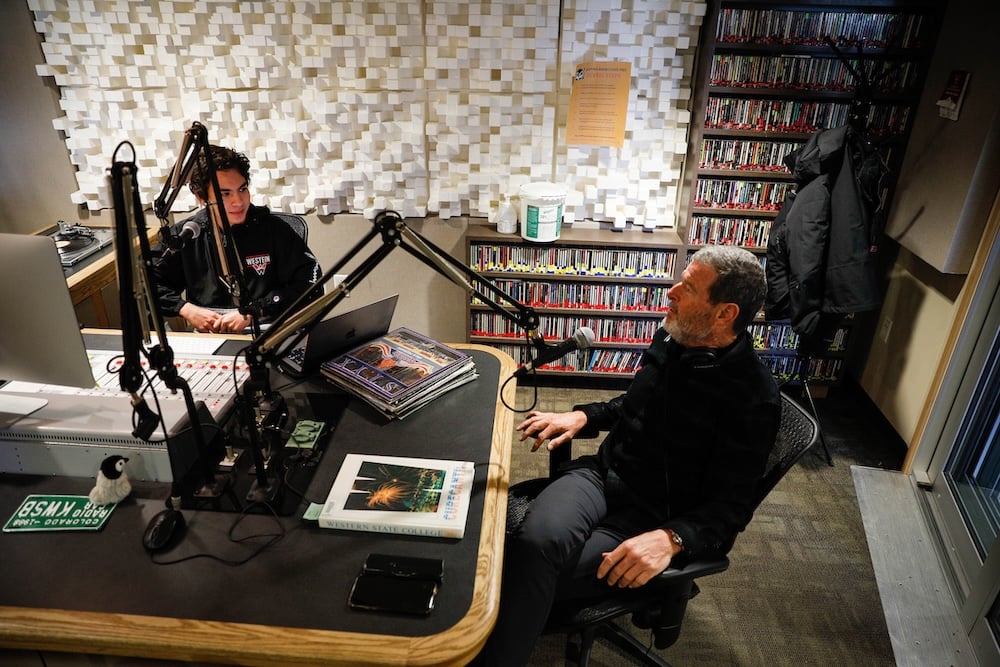
In addition to developments that favor digital platforms, part of the impetus for the decision is financial. By moving to a streaming-only platform, Western eliminates the costs of FM broadcasting while freeing up funds to reinvest in studio equipment, maintenance, and student programming.
KWSB is student-funded and operates on an annual budget that hasn’t changed much since the late 1990s. Meanwhile, labor costs and licensing fees have steadily gone up, with more than half of the station’s budget supporting student wages alone. The remainder goes toward music royalties, streaming services, and promotional and office supplies, leaving very little for maintaining equipment, including a 15-year-old transmitter at the end of its expected lifespan.
“A streaming-only platform is more efficient and feasible, given KWSB’s limited resources. And yet the station retains its heuristic value: teaching students how modern media is produced and distributed, while contributing to a diverse campus culture and community,” Schliesman said. “Long live The Penguin!”
For former station manager Kristie Colby, who helped lead KWSB in the early 2000s, the station has always been defined by adaptation.
“KWSB isn’t the same version of itself as it was in 1968 or 1999 or 2011,” Colby said. “It is always changing. The students have always been a driver of change and modernization, and this seems like a logical step forward.”
Colby recalls the station as a kind of creative fraternity and a place where students from all walks of life came together around a shared love of radio and KWSB.
“I met my husband at KWSB,” she said. “We would bring our first son to the station during shows, between classes, or just when we were hanging out there. KWSB was like our home base as a family.”
Preparing Students for the Future of Media
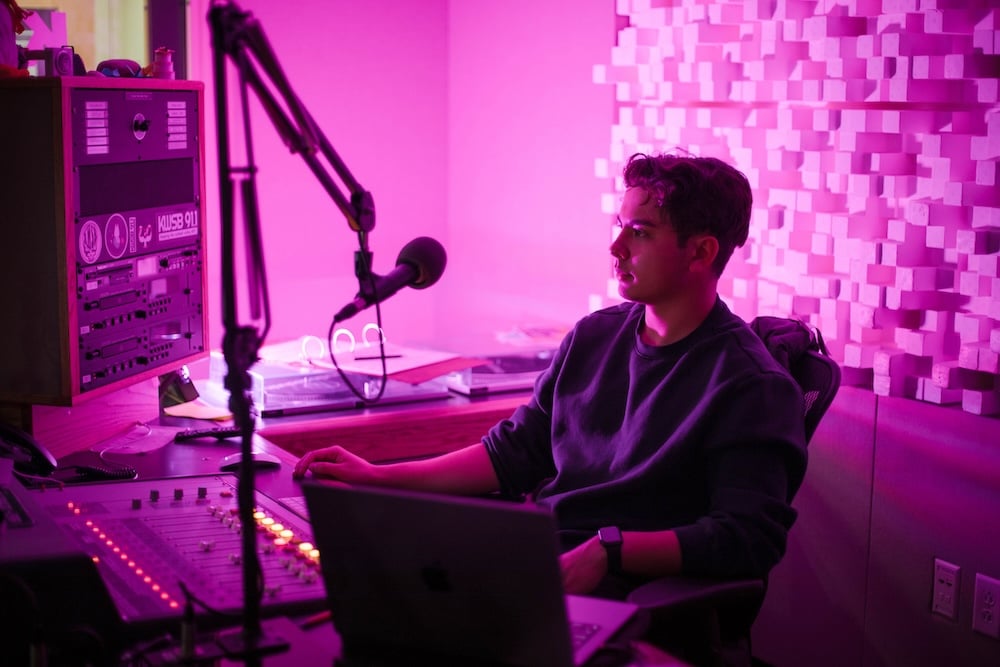
According to KWSB advisor Doug Hankins, student interest in the station has grown in recent years. Where automated programming once dominated the schedule, the studio now hosts live broadcasts and regularly covers Mountaineer athletics from the field.
“We’re trying to give students the skills to be a successful broadcaster if they want to continue in that field,” Hankins said. “The station gives students the chance to work on their public presentation skills, they learn to talk on air, and if they make a mistake, it’s okay. They’re gaining confidence and valuable experience.”
For Western alumna Marissa Saez, who worked at KWSB from 2015 to 2019 and went on to work in digital media in Denver, the station was transformative.
“KWSB was one of my fondest memories from college,” Saez said. “It wasn’t just a station; it was a creative home. It opened a door to a passion I did not even realize I had at the time and completely changed the trajectory of my college experience.”
Saez credits the station with teaching her problem-solving skills, patience, the ability to perform under pressure, and the value of teamwork. But perhaps most importantly, she learned how to be creative with a tight budget. “That skill alone has followed me into every professional role I have had since,” she said.
Now, the transition to digital, she says, feels “bittersweet” but necessary.
“Moving from FM to digital will better prepare students for today’s media landscape. The industry is evolving rapidly, and digital platforms are increasingly dominant. Learning how to create, distribute, and grow content digitally gives students real-world skills that are directly transferable to careers in media,” she said. “In many ways, this shift elevates the student experience because it teaches them how to merge multiple forms of media into one cohesive product.”
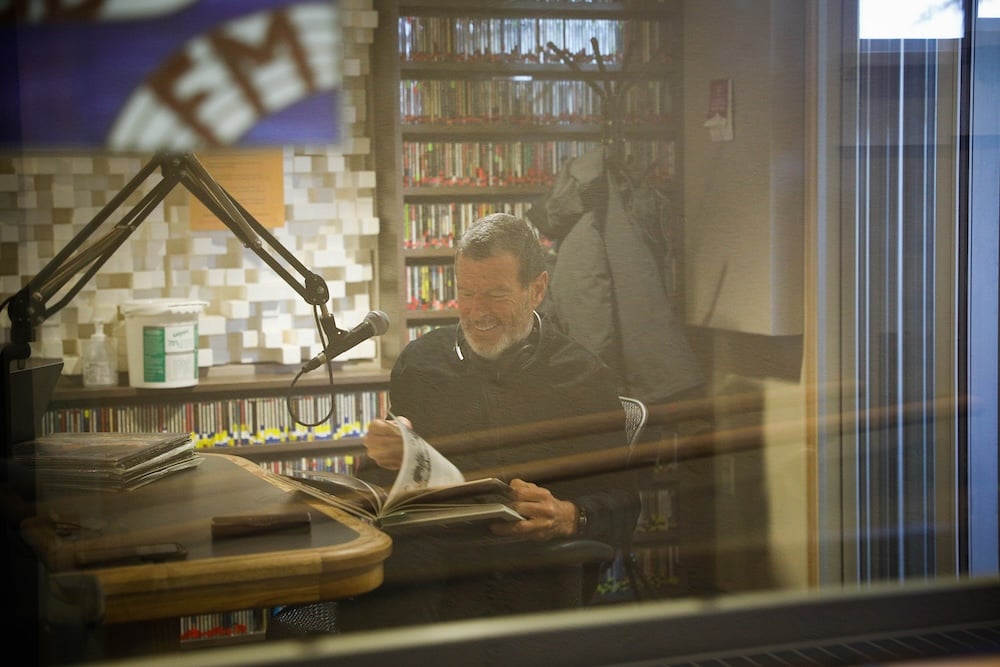
The Future of The Penguin
Unlike FM broadcasting, which reached an audience primarily in Gunnison and occasionally into Crested Butte, digital streaming allows listeners anywhere in the world to tune in. It also provides analytics that help students understand audience engagement, which is a critical component of modern media strategy.
Western’s Provost, Dr. Jessica Young, also sees the move as part of a broader modernization effort as Western approaches its 125th anniversary. “There are things we need to do to modernize. Streaming allows current students to connect more broadly with alumni and with communities beyond the Valley,” she said.
For many alumni, the FM signal represents more than a means of delivery. To them, it’s a tangible connection to a meaningful part of their lives. But the essence of KWSB – the education, the high standards, and the willingness to hand a student a microphone and let them speak to a live audience – won’t change.
“Digital platforms offer more flexibility, scalability, and opportunity for growth,” Saez said. “While change can feel emotional, I believe this evolution positions KWSB and its students for long-term success.”
Related Stories