MyWestern
 Academic Calendar
 Bookstore
 University Catalog
 Athletic & Recreational Venues
 MyWestern
 Academic Help
 Library
 Health & Wellness
 Campus Map
 Events

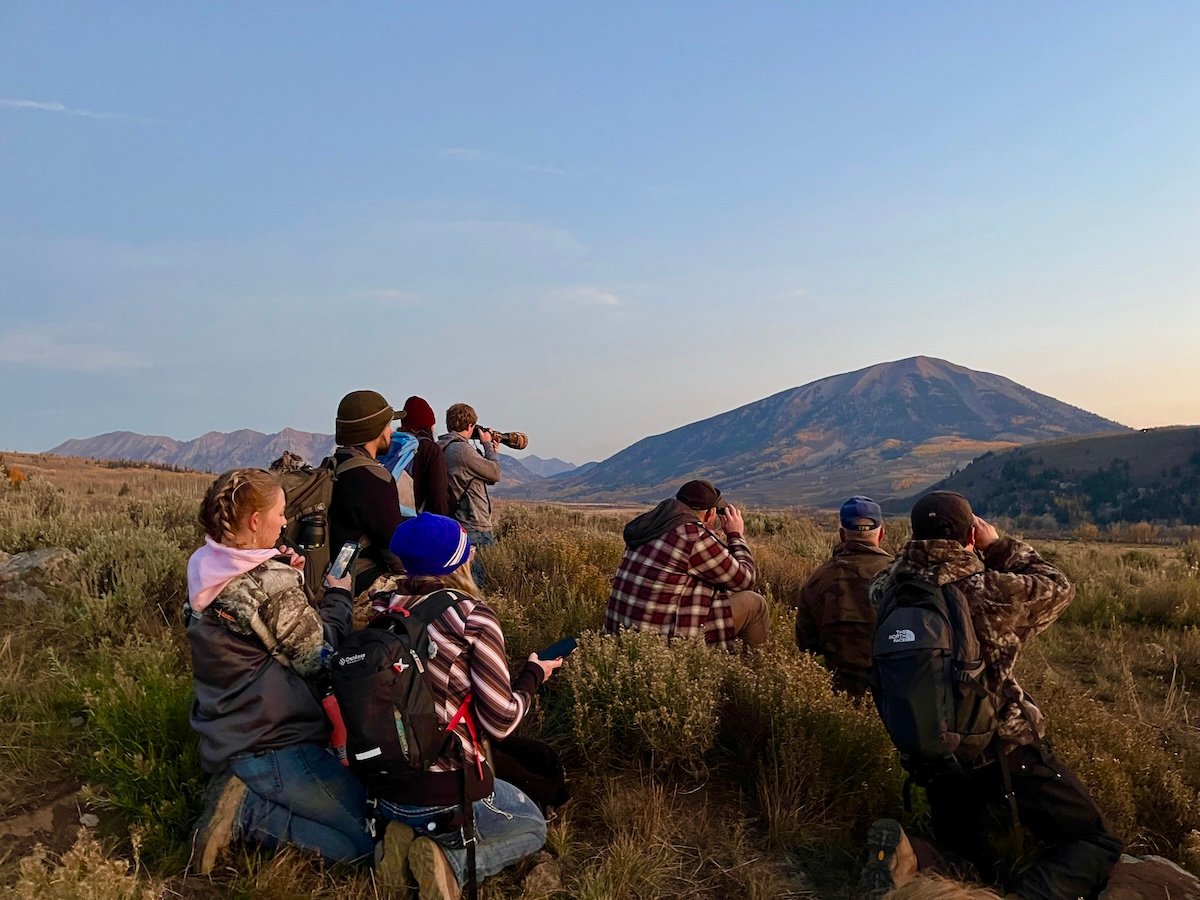
When Arrow Myers was growing up in Mosca, Colorado, a small town in the San Luis Valley with a population of just over 1,000, he usually found himself drawn to solitary outdoor pursuits, where companionship often came on the wing.
He read bird books for fun and volunteered at the Monte Vista Crane Festival, which celebrates the Sandhill Cranes that come every year and signal the end of a long winter with their unmistakable calls. “It was a sign of spring,” he said. “So I grew up loving cranes.”
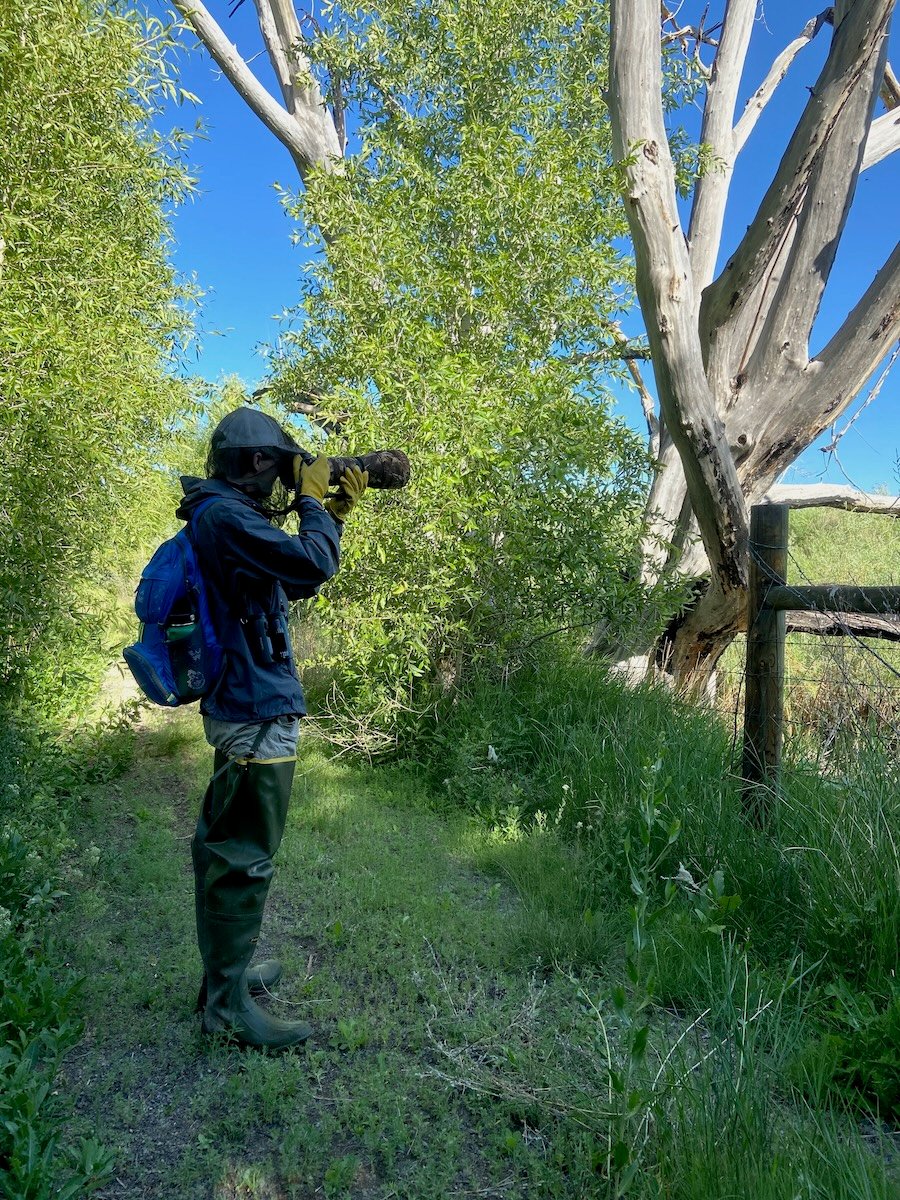
By age 8, he was a fully-fledged birder, stealing away to a pond near his home whenever he could. At 11, he started taking along a point-and-shoot camera he borrowed from his father. When he got his first “real camera” a couple of years later, his life was changed forever.
A Passion for Birds Takes Flight
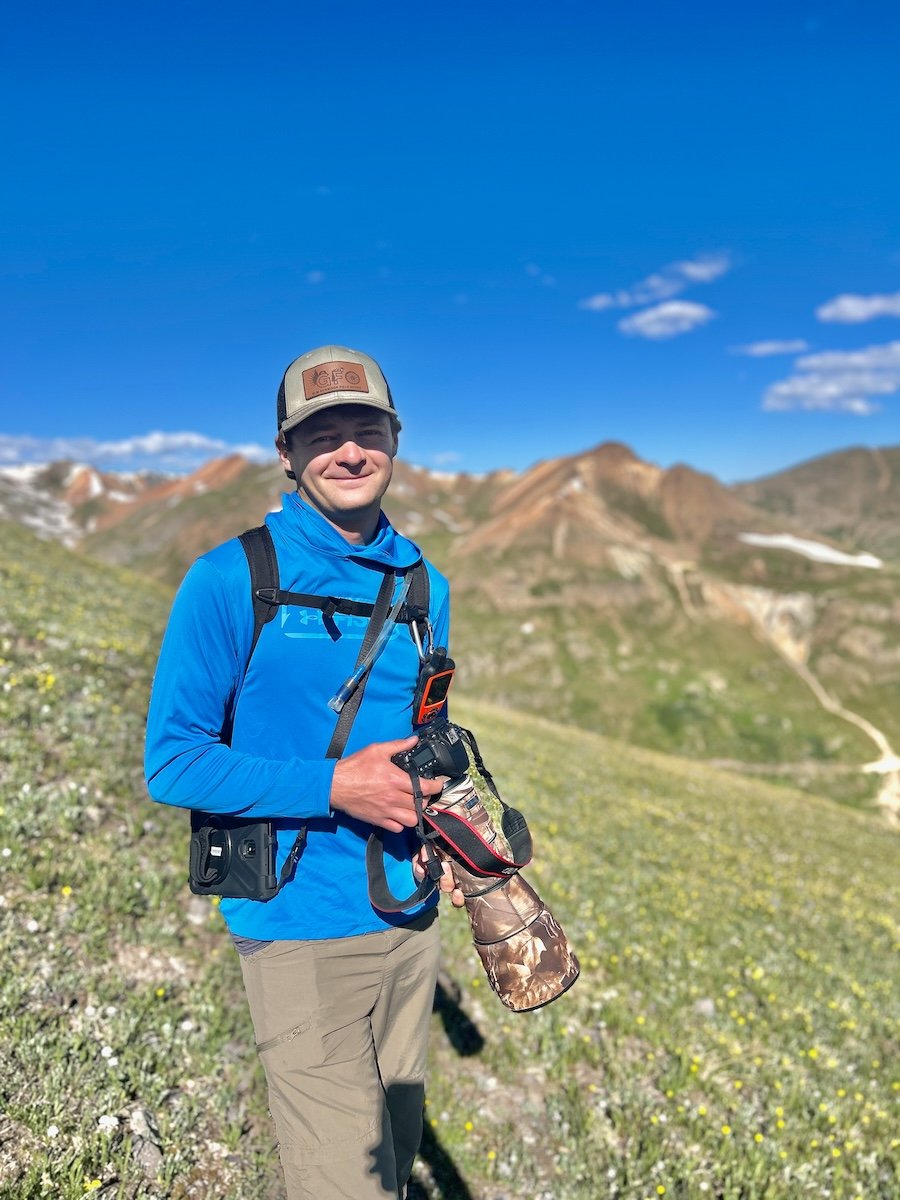
“I would spend probably six out of seven days a week going out there and photographing birds on that one pond. I’ve spent hundreds, if not thousands, of hours in the field photographing wildlife. Lots of lying in the mud at five in the morning or sitting on a bucket in January when it’s 20 below to photograph an elusive rail or wetland bird,” he said. “I was a weird kid.”
Along the way, however, he was doing more than just learning the technical side of photographing birds and wildlife. He was learning how to watch and study the rhythms that brought so many subjects to his lens, all while developing a deep understanding of the landscape over time.
From that time on, he knew his future would be entwined with wildlife and birds.
“I kind of had my eyes on Western [Colorado University] pretty early on in high school. I had been to Gunnison a couple of times, and I really wanted to go to school in a place where I could actually go out into the field and study wildlife,” he said. “Then, in more research, I came across a lot of videos about Dr. Pat! Magee doing a lot of really cool field work.”
From Classroom to Fieldwork Reality
When Myers first arrived at Western in the fall of 2022, Dr. Magee recognized his passion and immediately put him in the field, offering a glimpse of what it really meant to work in wildlife biology. He soon discovered it wasn’t going to be easy, or necessarily glamorous work. But there was a lot of work to be done.
One study involved the Great Blue Heron rookeries along the Slate River near Crested Butte, just 30 minutes north of campus. Dr. Magee and his student researchers were up early and spent long hours sitting and watching the iconic birds nest and rear their young, which suited Myers just fine.
“It was a great opportunity for me, my freshman year, working with grad students and hearing what their perspectives were and getting a feel for what it really meant to work in the wildlife field.”
Other times, he found that working in the field was a bit more than he bargained for. In 2023, with funding through Western’s Thornton Biology Research Program, which supports undergraduate students in designing and conducting research, Myers had the opportunity to conduct an independent study under Dr. Magee in collaboration with the Bureau of Land Management’s Gunnison Field Office, looking at how songbirds respond to beetle kill in the Powderhorn Wilderness near Lake City.
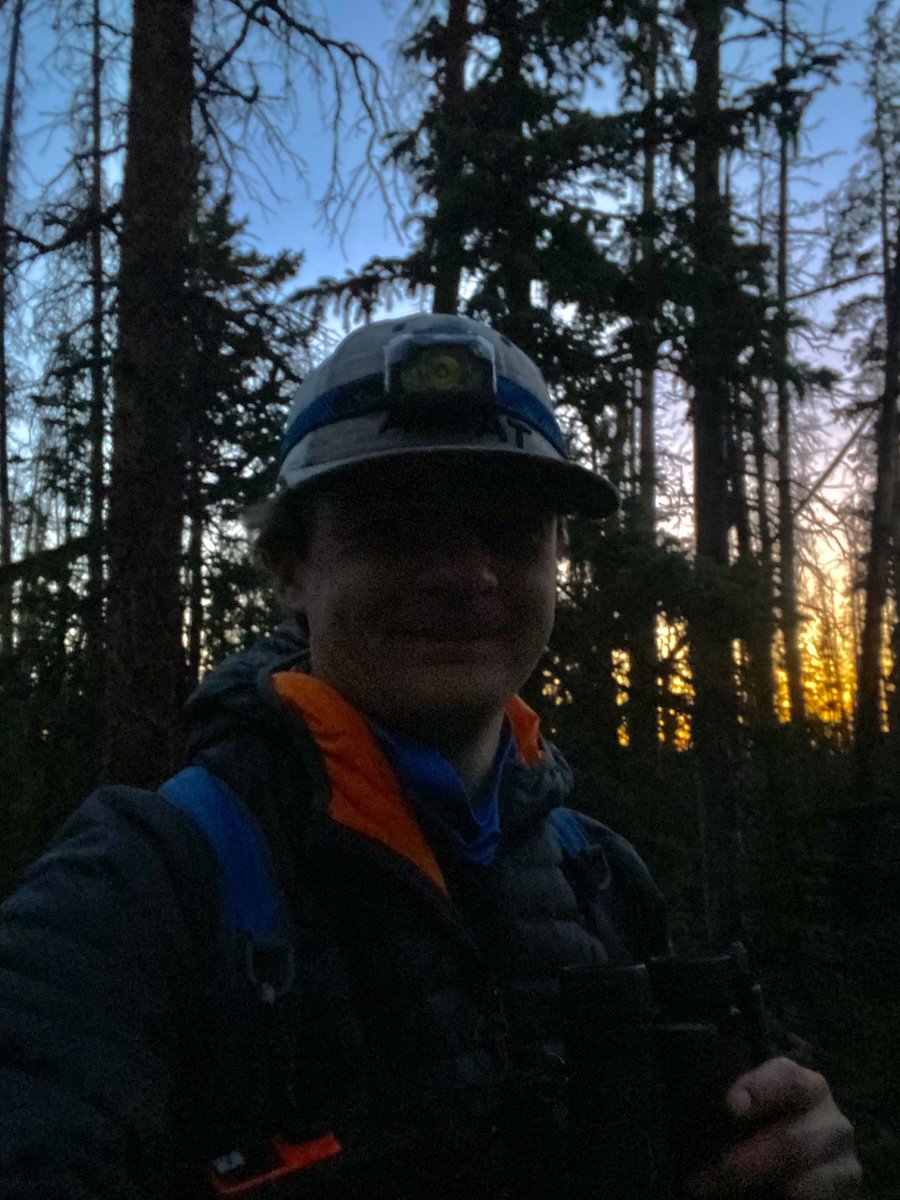
Working 15 or 16 hours a day in the “worst terrain imaginable,” hiking through skeletal forest landscapes to conduct bird surveys, he questioned if wildlife biology was really what he wanted to do with his life, and whether his work would actually make a difference.
“The realities of field work are that it’s not as glamorous as it often seems,” he said. “But I do think it’s really valuable. From the agency perspective, I can look back at Western and see how valuable it is to have a student who has gone out and actually done field work, can collar an animal, or drive a four-wheel drive vehicle.”
That research, as grueling as the fieldwork was, is now in its third year, and Myers is preparing to submit the resulting paper for publication in an academic journal.
Then, during his Wildlife Techniques course, Myers spent an entire week travelling around the state, much of it in eastern Colorado, where he worked with a number of Colorado Parks and Wildlife biologists studying, among other things, the activities of the state’s rarest mammal, the Black Footed Ferret, which relies on prairie dog colonies west of Pueblo for food and shelter.
A Passion for Birds Takes Flight
He got to spend time with several biologists, “and that was a really important moment for me in confirming this is what I want to do,” Myers said. “Having worked primarily in federal wildlife agencies, it was valuable for me to spend some time with state biologists and see different perspectives and aspects of the wildlife field.”
One of the biologists was a man of faith, like Myers, who, during long nights of field work, was able to reinforce the idea that science and religion were, in fact, compatible. “It was just cool to hear, from his perspective, how that meshes with what I feel,” he said.
Early in his time at Western, he was also given the opportunity to work as a Teaching Assistant in biology labs and later in an upper-division ecology lab, where he developed a love for teaching, which opened new doors as he began to look toward his life after Western.
In February, Myers was recognized by the Colorado Chapter of The Wildlife Society (CCTWS), receiving its highest honor for an undergraduate student, the Allen Anderson Outstanding Wildlife Student in Colorado award. The year before, he won the CCTWS annual photo contest, with a photo of sandhill cranes dancing at the Monte Vista National Wildlife Refuge.
Now, as a senior studying Wildlife and Conservation Biology at Western, with a minor in Chemistry and a GIS certificate, he’s making plans to work as a field technician for the U.S. Geological Survey in South Dakota studying Piping Plover populations along the Missouri River, before heading off to graduate school at the University of Alaska Fairbanks.
“I really love sharing the lesser-known aspects of wildlife, especially the really cool wildlife out there that is not the big bison or the elk or the really big charismatic species, with those who don’t get to interact with a lot of wildlife,” he said. “I think they make us realize how big the world is. It’s really easy for me to get caught up in my day-to-day life as a student. So to be able to go out and just get away from that super concentrated life, it allowed me to have a lot more perspective on things.”
Turn your passion for wildlife into a profession.
Join Western’s Wildlife & Conservation Biology program to gain the knowledge, skills, and hands-on experience needed to become a leader in wildlife management and conservation. Engage in original research through the Thornton Biology Research Program and participate in fieldwork opportunities like tracking lynx as an intern with Tri Beta and The Wildlife Society. With 82% of the surrounding Gunnison Basin being public land, Western offers an expansive outdoor laboratory for immersive learning.
Related Stories