 MyWestern
 Academic Calendar
 Bookstore
 University Catalog
 Athletic & Recreational Venues
 MyWestern
 Academic Help
 Library
 Health & Wellness
 Campus Map
 Events


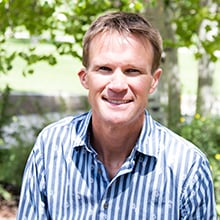
Matt Aronson PhD
Professor of Sociology
Contact Information
Education
Ph. D., Colorado State University, SociologyMA, Colorado State University, Sociology
BA, University of Montana, Native American Studies and Sociology
Biography
Brief Bio:
I teach sociology at Western and have served as faculty advisor for Sociology Club/AKD, Queer Collective, Native American Student Council. I’m grateful for a chance to live in the spectacular Gunnison Valley, where I spend lots of time with loved ones, food, books, bicycles, skis, and trails.
Teaching:
Deviance, Sociological Theory, The Family, Research Methods, Self & Society, Sociology of Education, Sociology of Sexualities, Ethnicity & Race, Capstone, and others.
Applied Research:
I have taught at Colorado State University and at Regis University. I also worked as researcher for OMNI Institute and on various projects funded by the National Science Foundation, the United Way, the University of California, and many others. My applied research has ranged from conducting interviews and focus groups among homeless youth in Denver, to classroom observations of kindergarteners as they interact with science exhibits, to in-depth interviews with environmental activists, bureaucrats, ranchers, police officers, and city leaders. I have served on a steering committee for the Economic Prosperity and Poverty Reduction Task Force with the CO legislature and have been involved with community-level initiatives such as Pathways Past Poverty funded by The United Way of Larimer County.
Publications:
My research has been in the areas of symbolic interactionism, the sociology of education, life-course stratification and survival analysis with longitudinal survey data. Peer-reviewed journal publications:
- Aronson, M. and S. Bialostok. 2016. “’Do Some Wondering’: Children and Their Self-Understanding Selves in Early Elementary Classrooms.” Symbolic Interaction 39(2).
- Bialostok, S. and M. Aronson. 2016. “Making Emotional Connections in the Age of Neoliberalism.” Ethos 44(2).