MyWestern
 Academic Calendar
 Bookstore
 University Catalog
 Athletic & Recreational Venues
 MyWestern
 Academic Help
 Library
 Health & Wellness
 Campus Map
 Events

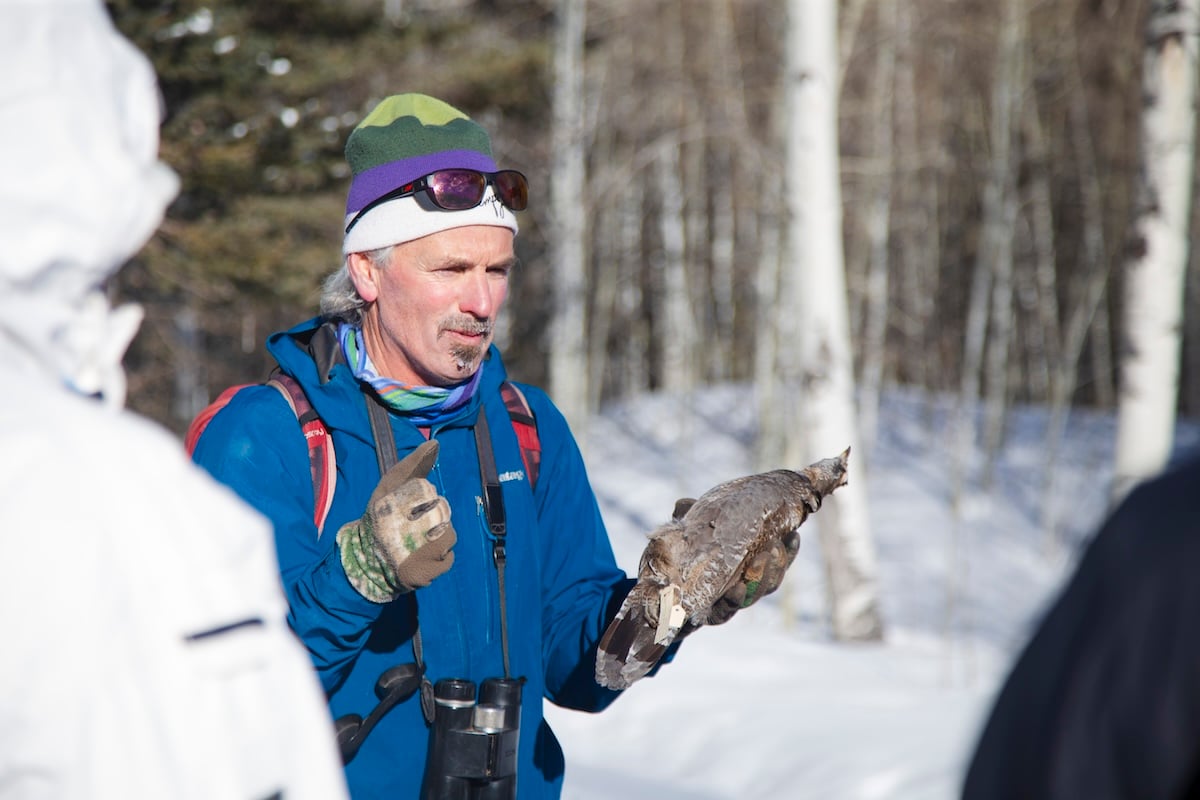
If Western Colorado University’s campus is any reflection of the wider world, then you’ll see and hear about 30 percent fewer birds on campus today than you would have in 1970. That’s according to a landmark 2019 study suggesting the native bird population is down by about three billion breeding adults, with devastating losses in every region.
Now, there’s an effort underway to make Western a “Bird Friendly Campus,” led by Martin Klein and the other students in Professor Pat Magee’s ornithology class, and made official through a proclamation signed by President Brad Baca.
“I’m excited to designate Western as a Bird Friendly Campus, as it is a reminder that even the small things can play a big role. One of the things that makes Western so special is our remarkable location and the natural beauty that surrounds us,” Western’s President Brad Baca said. “We have a responsibility to protect and support our environment, and a thriving and diverse bird population translates into a resilient and healthy ecosystem.”
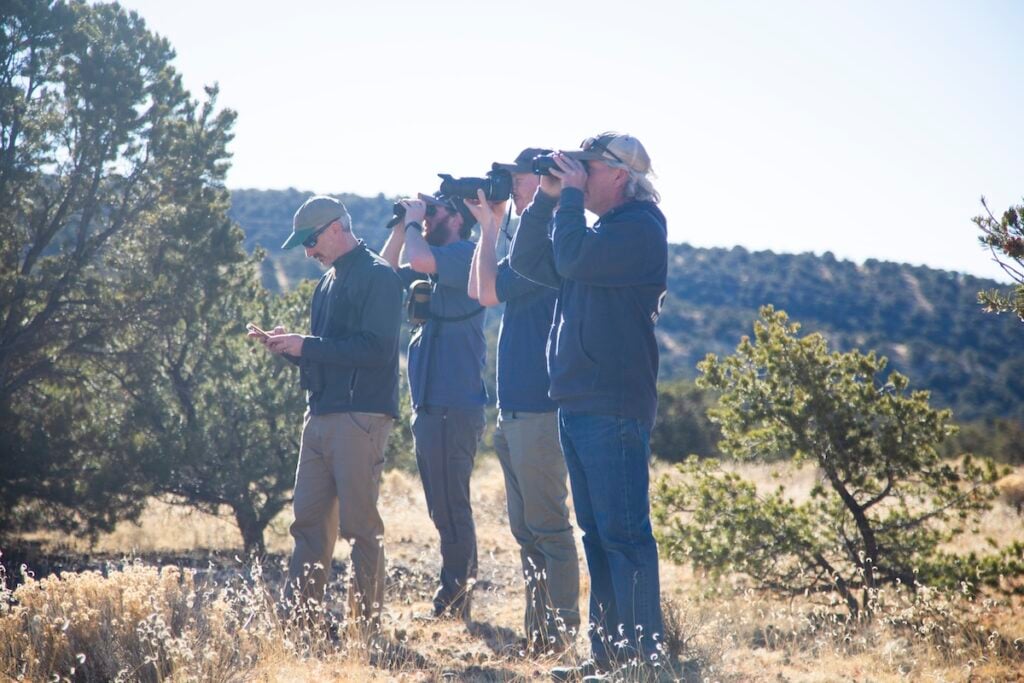
The “Bird Friendly Campus” designation is an acknowledgement that the decline in bird populations is a tremendous blow to the planet’s biodiversity, and to the ecosystem services birds provide, like insect control, seed dispersal, scavenging, and pollination.
Western’s birding culture runs deep. Former faculty member and current provost, Dr. Jessica Young, made taxonomic history in 2000 when she established the Gunnison Sage Grouse as a new and distinct species.
Each December, local birders, including many with ties to Western, gather on campus for the Christmas Bird Count, a nationwide citizen science effort that provides a long-term snapshot of regional bird populations. This year, the count tallied 43 species, including a couple of surprises.
Staff in Western’s Leslie J Savage Library have already taken steps to reduce window strikes, which, along with house cats, are the leading source of human-caused bird mortality. And Klein hopes to take similar steps in other buildings on campus.
In addition to reducing the number of window strikes, Klein and his classmates plan to look at the impact artificial light on campus has on bird migration, provide birds with more nesting boxes and habitat on campus, and, if possible, reduce the use of pesticides.
And with the Bird Friendly Campus designation now in place, there’s hope that those small changes will prompt a bigger conversation.
“[Birds] give us so much enjoyment as humans. If you’re hearing birdsong, it’ll actually heighten your mood. And it lowers stress and increases attention. There are all these things that birds do for us,” Klein said. “Imagine if, in 100 to 200 years, someone goes outside, and there’s no birdsong. That would be a great loss for humanity.”
Related Stories