MyWestern
 Academic Calendar
 Bookstore
 University Catalog
 Athletic & Recreational Venues
 MyWestern
 Academic Help
 Library
 Health & Wellness
 Campus Map
 Events

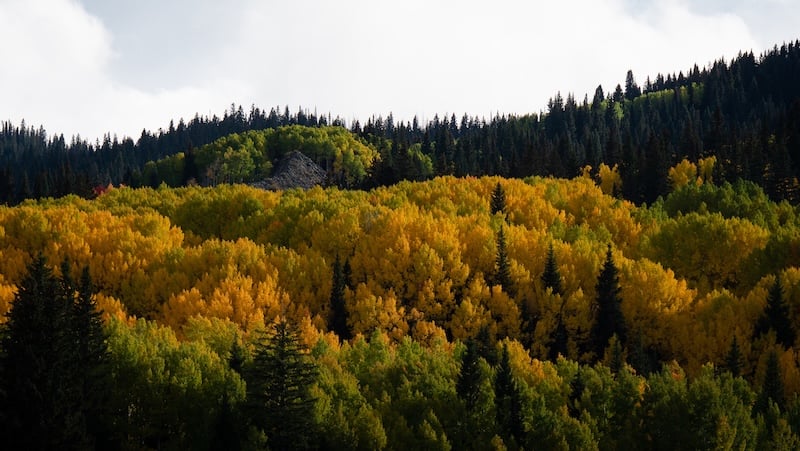
For decades, managing federal wilderness meant keeping our hands off and letting nature take its course, even when there were signs of trouble. But a pair of new studies from faculty and alumni at Western Colorado University suggests it might be time for a more nuanced approach. In them, graduate researcher Alyssa Worsham and Professor Jonathan Coop ask: What if a greater risk to these places is doing nothing at all?
Fire, by Prescription
It’s a question Worsham asks in a new paper titled “When the Wilderness Burns: An Analysis of Current Fire Management and the Case for Prescribed Fire in Designated Wilderness in the United States,” which was recently published in the journal Fire Ecology.
Worsham, who graduated from Western’s MEM program in 2023 and now works for the U.S. Forest Service, and her research team, including fellow Western alum Dagny Signorelli, Dr. Coop, and Dr. Melanie Armstrong, surveyed more than 150 wilderness and fire managers across the country and conducted follow-up interviews with a subset of participants. They found that most of these professionals – over 70 percent – support using prescribed fire to reduce fuel loads and restore ecological balance in wilderness. They found overwhelming professional support for using fire to reduce fuel loads and restore ecological balance.
“Many wilderness areas are so overloaded with fuel after 100+ years of suppression that letting lightning-ignited fires burn naturally is no longer safe, and our research participants understand that,” Worsham said. “We consistently heard that there is no ‘one size fits all’ approach to managing fire in wilderness, but the majority of land managers did agree that active management strategies may be necessary before we can let fire return naturally.”
They also found that land managers are particularly sensitive to the perceived risks of prescribed burning among the public, which often prevents them from putting those practices into action. When prescribed fire is used, they emphasize the need for collaboration with neighboring landowners and local interest groups.
The study showed that places like California’s Yosemite National Park, Washington’s North Cascades National Park, and Montana’s Bob Marshall Wilderness Complex, where prescribed fire has been used for decades, can offer a glimpse of what’s possible. And when the public can see the benefits of wildfire, they’re more apt to accept it as a necessary process.
However, across most of the U.S., fire is still viewed as something to be fought and eliminated whenever possible. And that, the researchers say, is a problem.
“We can’t afford to let fear of fire continue to be the default,” Worsham said. “Not when we need every tool in the toolbox to ensure the ecological health of these special places.”
The full paper can be found at https://link.springer.com/article/10.1186/s42408-025-00414-y.
Beyond Guardianship
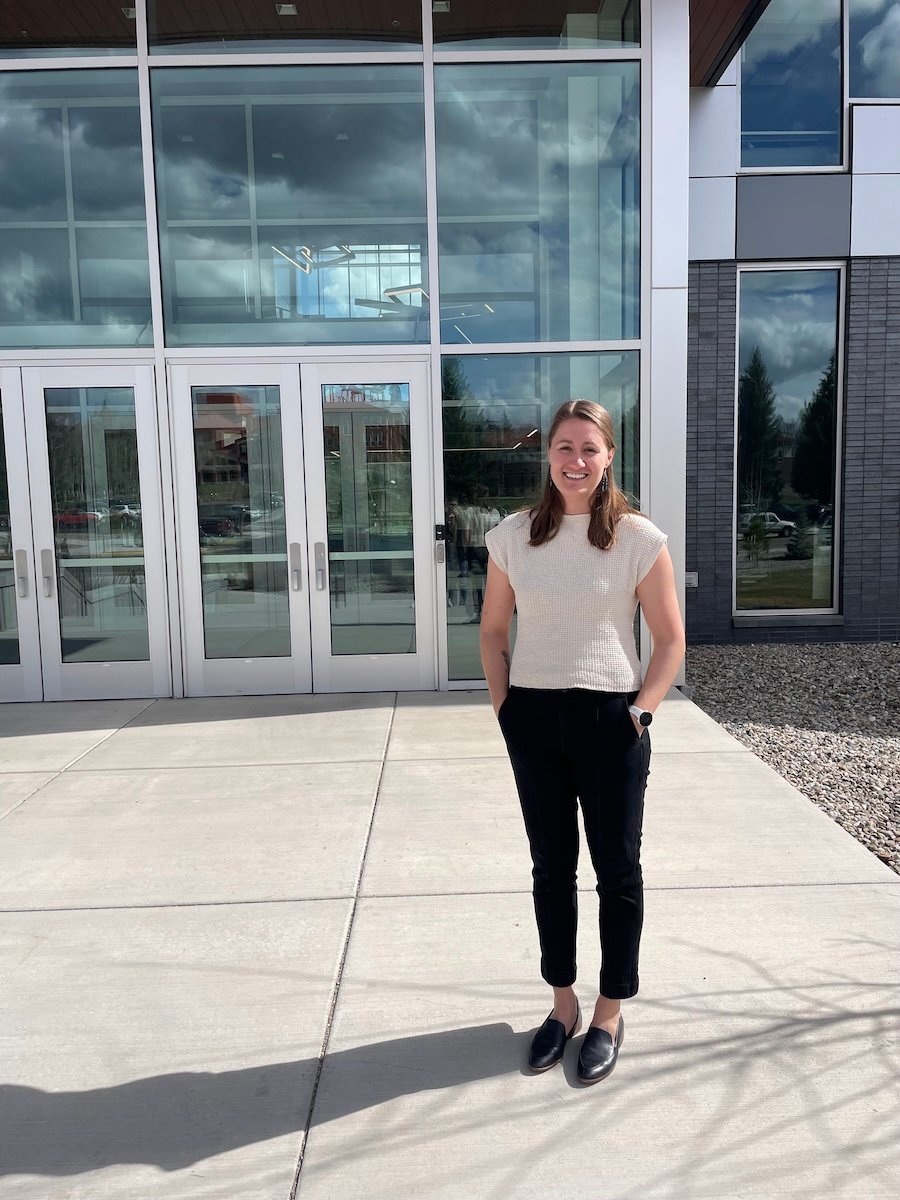
In a separate paper titled “Guardians and Gardeners: Managing Wilderness for the Twenty-First Century,” published in the journal BioScience, Dr. Coop, a professor in Western’s Clark Family School of Environment and Sustainability, and a team of scientists from across the West further argue that the long-standing wilderness philosophy of non-intervention may not hold up in an age of climate change, altered fire regimes, and other ecological stressors.
“We’re not advocating for widespread intervention,” Coop said. “We’re asking people to reconsider what it means to care for wilderness landscapes that climate change, invasive species, and fire exclusion are already shaping in profound ways.”
The paper challenges the myth that modern wilderness can ever truly be untrammeled. For thousands of years, they say, Indigenous communities actively stewarded many of the landscapes that we now view as wilderness, often using a form of prescribed fire to maintain ecosystems that are now changing under modern fire suppression.
Furthermore, human-caused changes such as the introduction of non-native species and the energy balance of the Earth’s atmosphere also represent a form of trammeling, with sometimes major ecological impacts even in remote protected areas.
Dr. Coop and his co-authors propose a more flexible approach they call “guardians and gardeners,” in which fire is actively used with the goal of returning it to its place in the ecosystem. Whenever possible, they say, it should be done alongside Indigenous people whose knowledge goes back thousands of years.
Beyond wildfire, deliberate interventions that support native species and ecosystem processes may be essential to help support the natural functions of these systems in an era of rapid environmental change.
“In many cases,” Coop said, “the most responsible thing we can do is restore the natural processes that we disrupted in the first place.”
Want to be a part of the story?
At the Clark Family School of Environment & Sustainability, students dive into immersive, real-world experiences that spark bold ideas and lasting change. Discover our programs and start shaping a better tomorrow.
Related Stories